
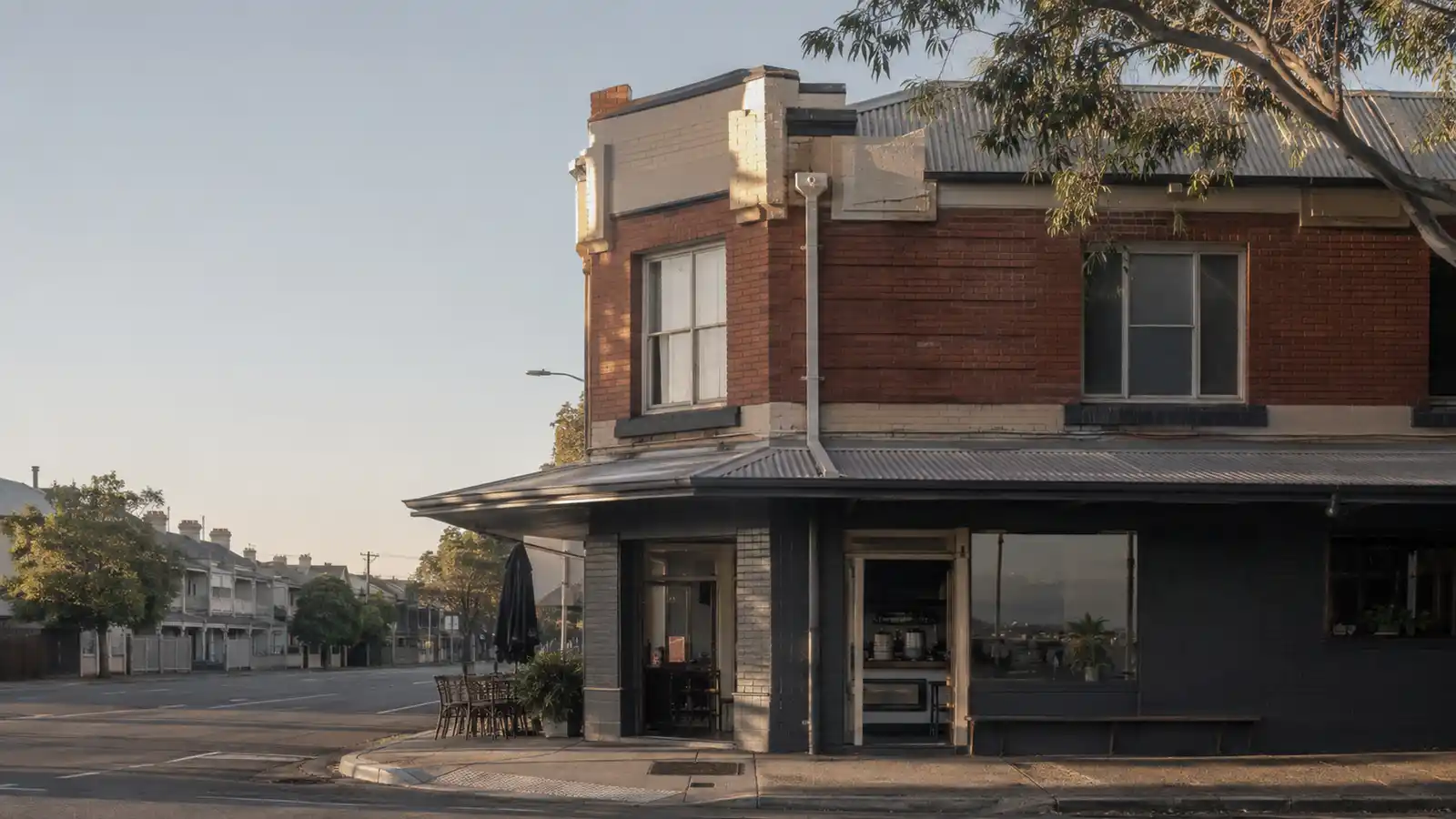
Insurance for a Building With a Cafe or Restaurant Downstairs
A cafe, restaurant or takeaway on the ground floor changes the fire risk for the whole building, including the flats above. Most mainstream insurers step away. We place these buildings regularly, and the questions on this page are a big part of what decides the quote.
One Roof
One Policy
Cafe Below
Flats Above
Cooking Detail
A Big Factor
Recognition

THE SHORT ANSWER
A building with a cafe or restaurant downstairs and residential above can be insured under one mixed-use property policy covering the building, public liability and loss of rent for both portions. The cooking detail is one of the biggest factors in acceptance and price: alcohol licence, litres of oil, deep frying or wok cooking, automatic suppression or an extraction hood, and whether there are EPS cool rooms. Most of the hospitality buildings we placed in the past year had been declined five or more times before they reached us.
Our hospitality mixed-use placements in the past year ranged from around $4,600 to around $15,400 a year, with the median close to $7,000. The difference between the bottom and the top of that range is mostly building age, heritage listing and how the cooking was presented.
- Biggest premium driver
- Cooking and oil volume
- Usual policy
- One mixed-use business pack
- Heritage plus cafe
- ISR route
WHY IT IS HARD
Why a cafe downstairs gets the whole building declined
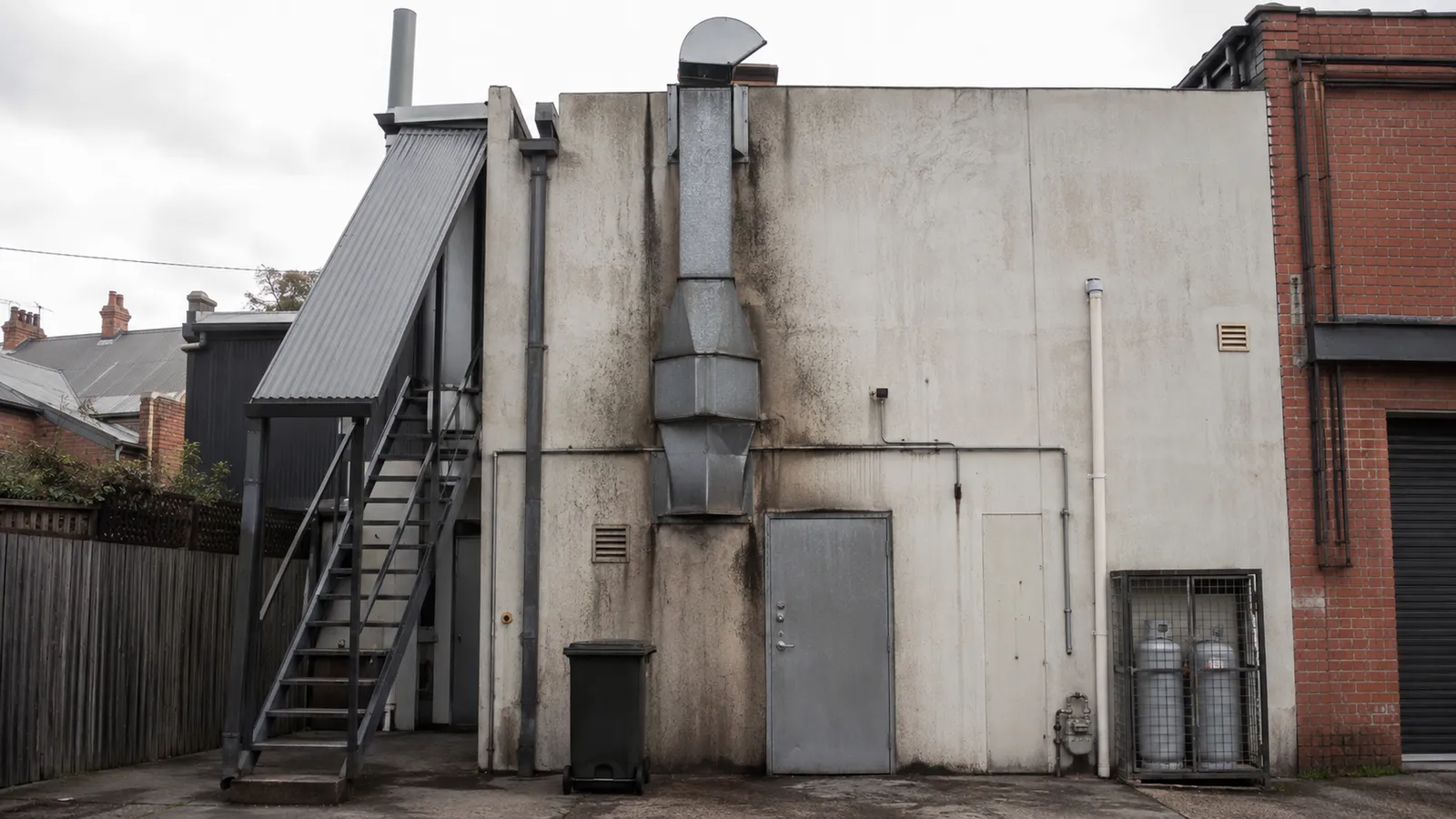
A fire that starts in a commercial kitchen doesn't stay in the kitchen. It shares a ceiling cavity, a stairwell and often a roof with the residence above. Insurers that write purely commercial buildings don't want the bedrooms; insurers that write purely residential buildings don't want the fryers. The building falls between the two, and the tenant's cooking is the first thing every underwriter asks about.
01
Fire load below bedrooms
Fixed fryers, gas cooktops and grease in ductwork sit directly under where people sleep. Underwriters price the building on the kitchen, not the flat.
02
The cooking questions
Oil volume, deep frying, wok cooking, suppression and extraction cleaning. Each answer moves the premium, and some answers decide whether the risk is accepted at all.
03
EPS and cool rooms
Expanded polystyrene sandwich panel in a cool room or wall changes the fire behaviour of the whole building. It has to be identified before a quote is possible.
04
Presentation changes the answer
A generic hospitality description gets a generic decline. A submission that states the oil volume, the suppression system and the fire separation gets read properly.
BEFORE WE QUOTE
What we'll ask you about the cafe
Have these answers ready and the first conversation is a short one. They are the questions the underwriter asks us, so we ask you first.
WHAT EACH ANSWER DOES
How the cooking detail moves the quote
These are the levers we see move acceptance and price on hospitality buildings. None of them is a rule written down anywhere for buyers to read, which is why the same building gets a decline from one submission and a quote from another.
| The question | Why the underwriter cares | What helps |
|---|---|---|
| Litres of oil and deep frying | Oil volume is the fire load. Fixed fryers with large tanks are the hardest case; light cooking with no frying is the easiest. | State the litres, whether fryers are fixed or portable, and whether there is wok cooking. Under about 15 litres in portable units is a very different risk to fixed fryers. |
| Suppression or extraction only | An automatic suppression system over the cooktop puts a fire out before it reaches the duct. An extraction hood on its own carries grease into the ceiling. | Name the system if there is one. If there is only extraction, give the cleaning schedule and the contractor who does it. |
| Alcohol licence | Licensed venues trade later and change the liability picture for the building owner. | Declare it. An unlicensed daytime cafe is the simplest hospitality risk to place. |
| EPS cool rooms or walls | Sandwich panel burns fast and is treated by insurers as a major fire hazard in food premises. | Find out what the cool room is built from before asking for a quote. If it is EPS, say so and give its size and location. |
| Fire separation to the flat | A fire-rated ceiling and self-closing doors between the kitchen and the stair are what keep a kitchen fire out of the bedrooms. | Describe what is between the two uses. If the building has been upgraded, provide the certificate. |
| Year built, rewired, replumbed | Older wiring and plumbing under a commercial kitchen is a claims frequency question, not just a fire question. | Give the dates. A 1920s building rewired in the last decade is placeable; the same building never rewired usually isn't, outside specialist and ISR markets. |
REAL PLACEMENTS
Cafe and food buildings we've placed
Anonymised placements from our mixed-use book. Every one had been declined by several insurers before it reached us.
Premiums and outcomes described are specific to each client and indicative only. Your own terms will depend on your circumstances and the insurer.
QUESTIONS
Cafe and Restaurant Downstairs - Frequently Asked Questions
RELATED COVER & GUIDES
More on mixed-use property insurance
Have the cooking details ready and we can usually tell you on the first call which markets will look at the building.
Talk to a Mixed-Use Specialist →
Cafe Downstairs, Flats Upstairs, Insurer Said No?
Send us the address, the tenancy details and the answers to the eight questions above. We'll tell you which markets will look at the building and come back with terms.