
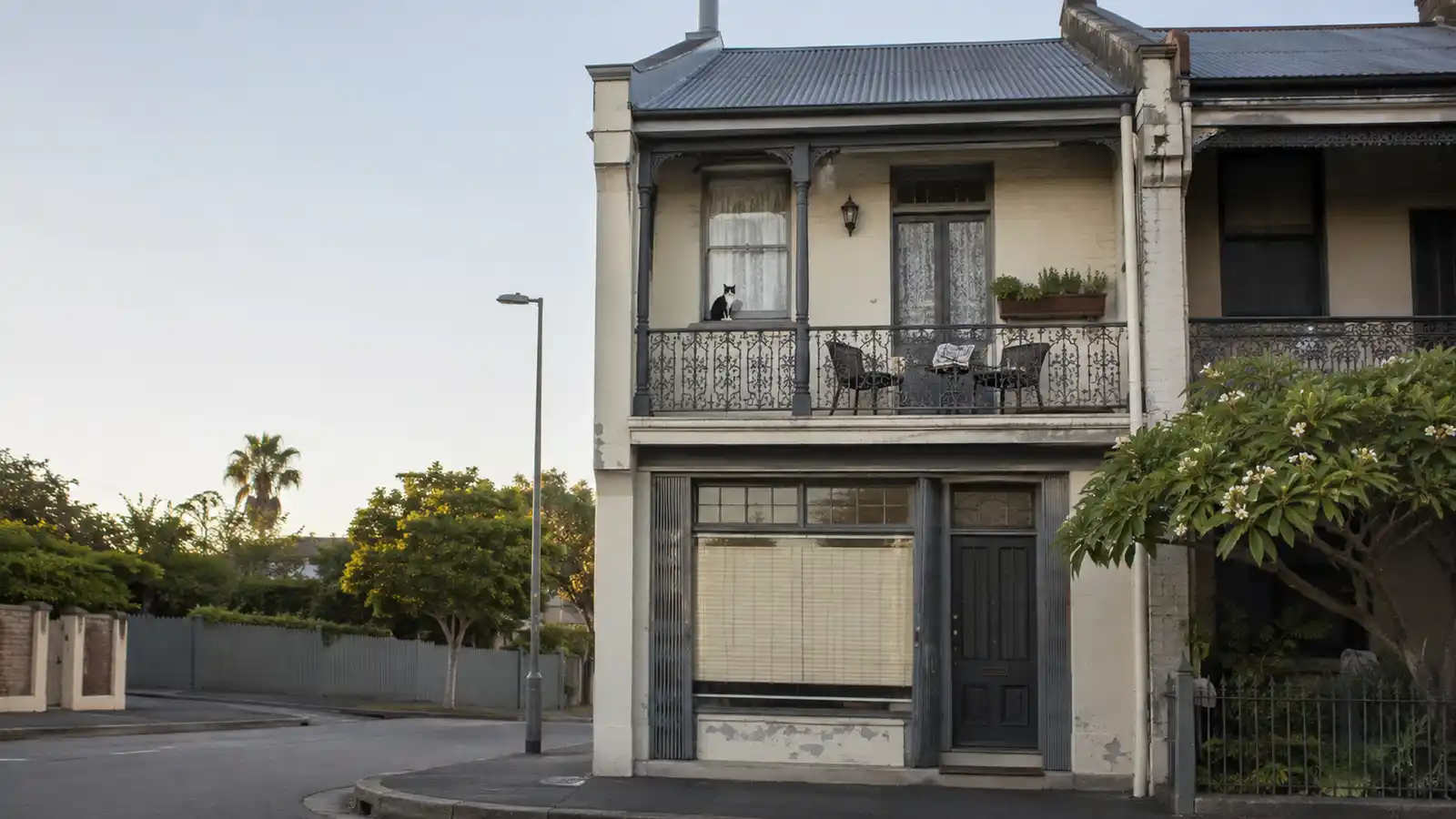
Insurance When You Live Upstairs and Run Your Business Downstairs
A jeweller with the family home above. A physio with the residence upstairs. An accountant on one side of the house. Your home insurer says the business voids the policy and your business insurer won't touch the residence. One mixed-use policy solves it, and this page shows how it is structured.
Home Above
Business Below
One Roof
One Building Policy
Owner On Site
Helps Appetite
Recognition

THE SHORT ANSWER
If you live above your own shop, clinic or office, a home policy won't cover the building because of the business, and a business pack alone won't cover the residence. The answer is one mixed-use property policy for the building and the owner's liability, with your home contents and your business's own insurance (stock and liability) kept as separate policies. Owner-occupied mixed-use is one of the easier configurations to place when the business downstairs is an office, clinic or ordinary retail.
Our owner-occupied placements in the past year ranged from around $3,000 for an 1880s home with an office on one side to around $6,000 for a 1920 building with a jewellery business at the front. Each of them had been declined several times first: home insurers won't take the business and business insurers won't take the residence.
- Home policy
- Excludes the business
- Business pack alone
- Excludes the residence
- Mixed-use policy
- The whole building, one roof
WHAT GOES WHERE
Three policies, no overlap, no gap
Owner-occupied mixed-use is usually three policies working together. The building policy is the piece a home policy and a business pack both leave out.
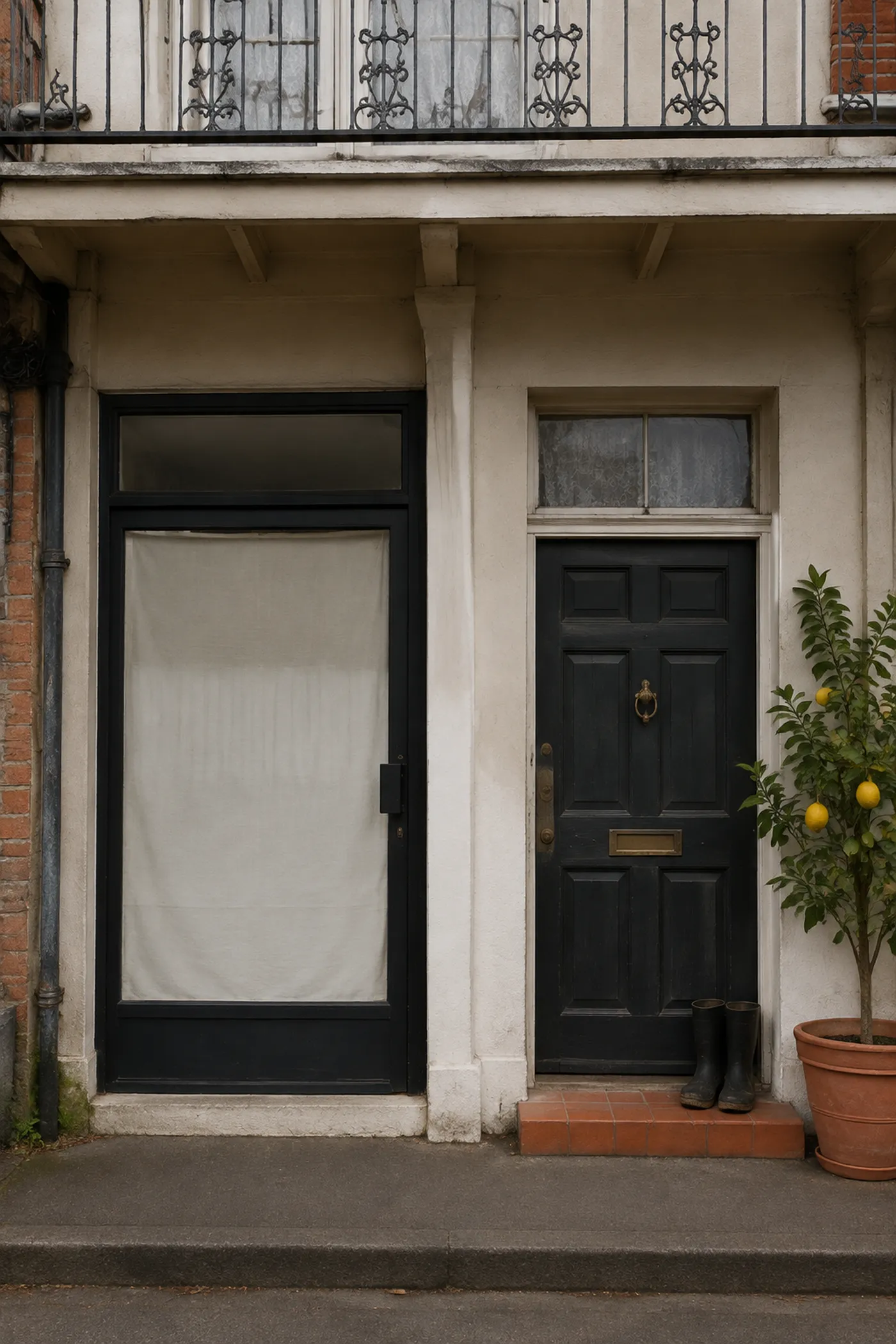
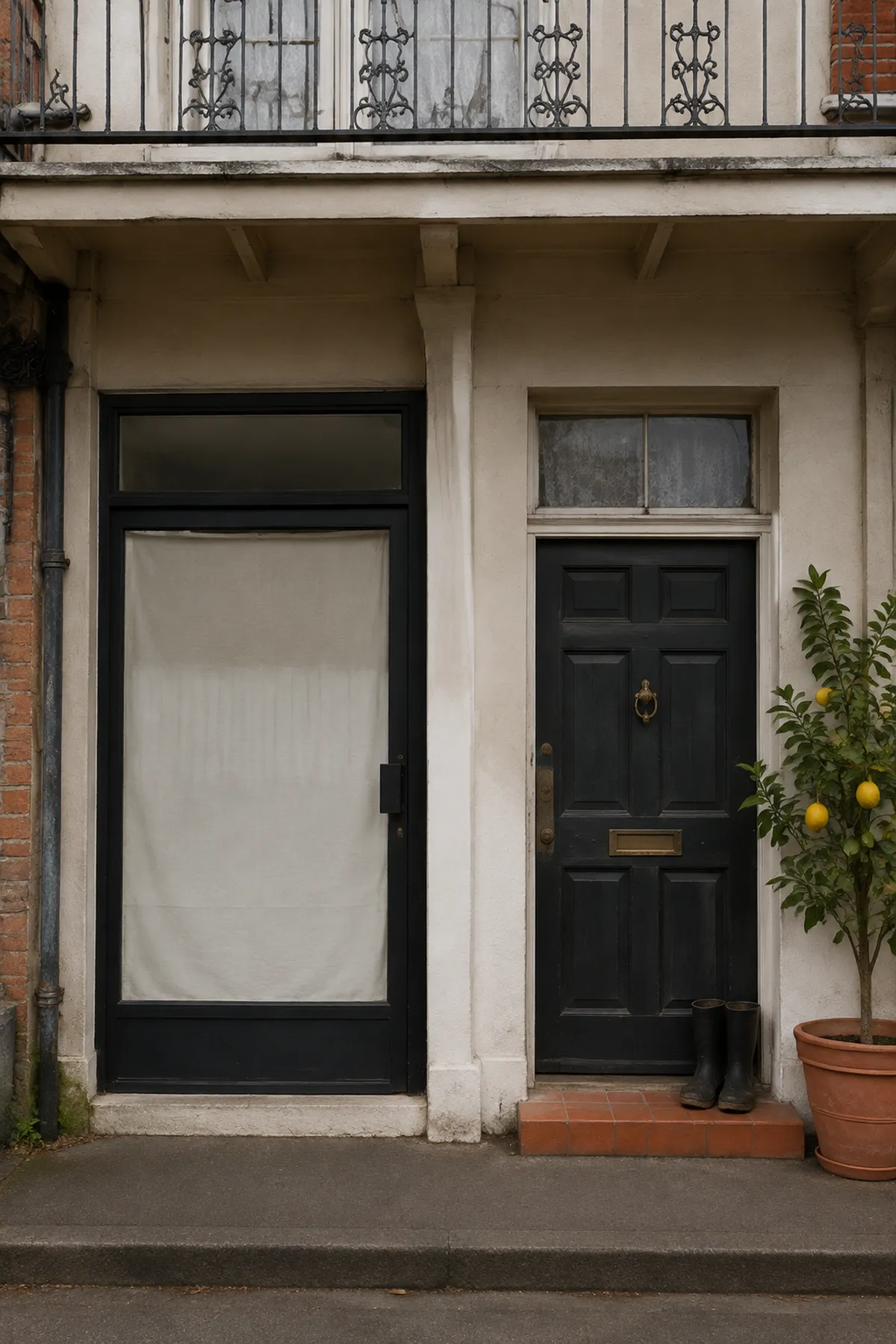
Usually Covered
Not Typically Covered
This is a general guide only. What is and isn't covered depends on the terms, conditions, limits and exclusions of your specific policy.
HOW UNDERWRITERS SEE IT
Why an owner on site changes the assessment
Underwriters assess the building the same way whether the residence is yours or a tenant's: the residential share, the business downstairs, the construction and the fire separation. An owner on site improves three of the things they worry about most, and it doesn't change the arithmetic on the fourth.
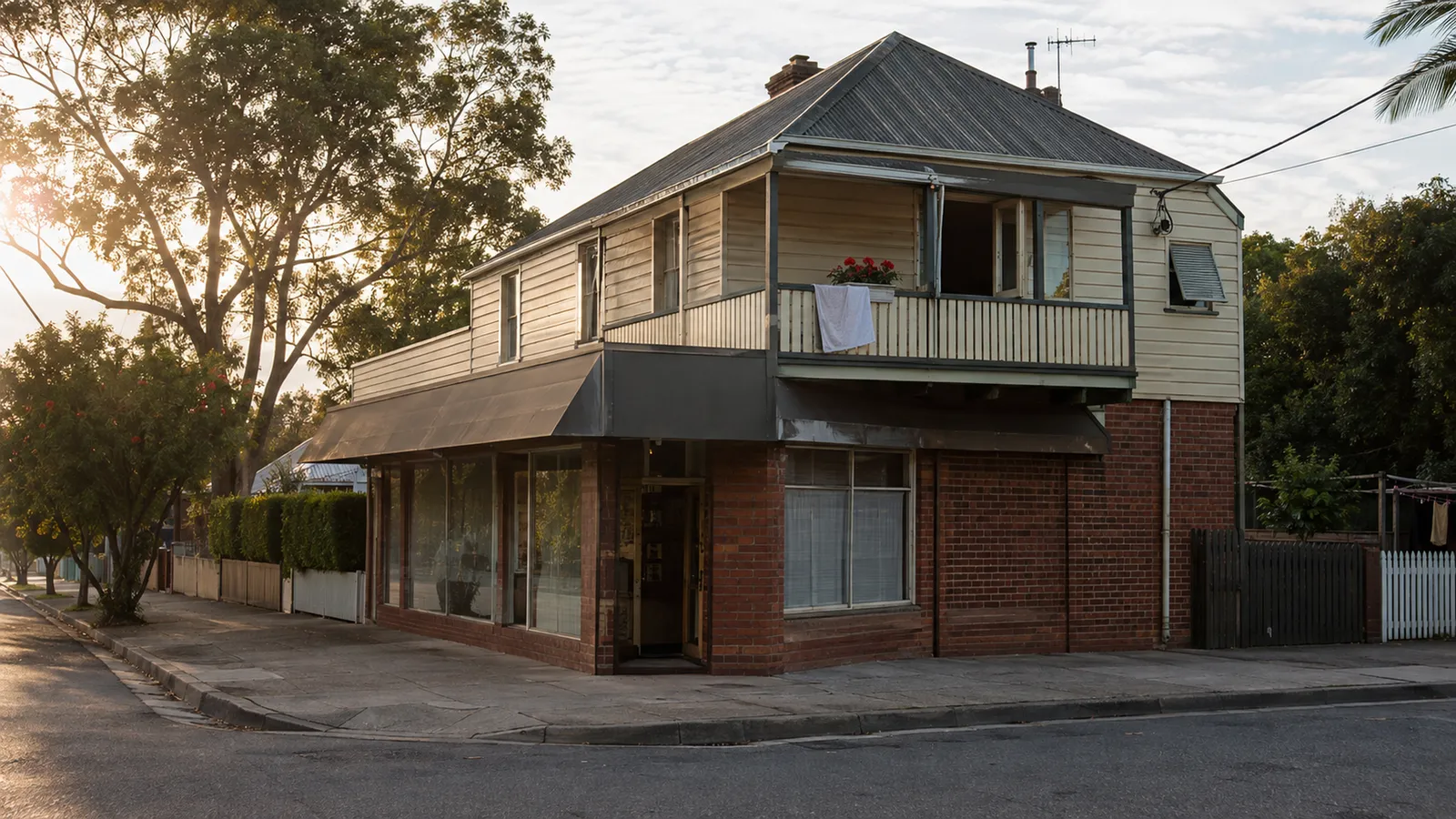
01
Vacancy risk drops
The residence is never empty and the business won't change hands without the owner knowing. Two of the things underwriters watch on tenanted buildings, vacancy and an unnoticed change of tenant, don't apply.
02
Maintenance is visible
An owner who lives upstairs notices the leak, the cracked tile and the dodgy switchboard. Underwriters read owner-occupation as a maintenance signal.
03
The business is known
A jeweller, a physio or a broker's office is a defined, low-fire-load use. Where the owner runs a cafe, the cooking is assessed exactly as it would be for a tenant.
04
The residential share still counts
If the home is bigger than the shop, the building is mostly residential and some markets stop there. That's a market-selection question, and it is one we get past regularly.
CONFIGURATIONS WE PLACE
Owner-occupied buildings we see most
All of these are one building under one roof, which is what makes them mixed-use rather than an ISR risk. Two separate structures on one title go a different route.
REAL PLACEMENTS
Owner-occupied buildings we've placed
Anonymised placements from our mixed-use book where the owner lives in the building.
Premiums and outcomes described are specific to each client and indicative only. Your own terms will depend on your circumstances and the insurer.
QUESTIONS
Living Above Your Business - Frequently Asked Questions
RELATED COVER & GUIDES
More on mixed-use property insurance
Tell us what the business is and roughly how the floor space splits. That's usually enough to name the right market.
Talk to a Mixed-Use Specialist →
Live Above Your Business and Been Told No?
Send us the address, what the business does and roughly how the floor space splits between home and business. We'll structure the building policy and tell you what the business and the residence need alongside it.