
Event Insurance Australia
Public liability, cancellation, adverse weather and non-appearance cover for festivals, concerts, sporting events, conferences, galas and community events. Arranged with specialist event underwriters, working to the date your venue or council needs the certificate.
$20M
Limit many venues ask for
90 days
Typical single-event quote window (our specialist's experience)
Weeks
Bind cancellation before the event
Recognition

THE SHORT ANSWER
What is event insurance in Australia, and who needs it?
Event insurance is a package of covers for a one-off or recurring event: public liability for injury or property damage to others, event cancellation and abandonment for the money you lose if the event cannot go ahead, adverse weather, non-appearance of a key performer or speaker, and voluntary workers personal accident for your volunteers. Anyone running an event on hired or public land usually needs at least the public liability, because councils and many venues ask for a $20 million certificate of currency before they confirm the booking. Promoters, councils, associations, sporting bodies, conference organisers and corporates all buy it, from single-day functions to multi-day festivals. Cancellation is optional but is where the real money sits once your budget is committed.
Public liability does not cover the organiser's own injuries or your volunteers' injuries, and poor ticket sales are not an insured reason to cancel.
- Standard PL limit
- $20M for many councils and venues
- Core covers
- PL, cancellation, weather, non-appearance
- Single-event quotes
- About 90 days out (our specialist's experience)
- Cancellation
- Bound and paid before the event

Our events specialist
Shaneel Gounden
Account Executive
Many event buyers come in late and need cover sorted fast. Harder events can often get terms once the organiser has addressed what underwriters will question in the risk management plan, before the submission goes to market.
Previously in the Entertainment and Sports team at Marsh, placing event liability, cancellation and prize cover, then in events at Aon.
General information only. It does not take into account your objectives, financial situation or needs. Consider the relevant PDS and TMD before deciding, and cover is subject to the policy terms.
EVENT INSURANCE GUIDES
Find the cover for your event
Every event is different, so the guides are split by cover type, event format and the kind of organiser running it. Each one explains what underwriters ask and where the gaps usually sit.
Core cover and planning
The covers most events are built from, what they cost, and what underwriters need to see.
By event type
Each format carries its own questions: crowds, participants, speakers or a run of shows.
By organiser
Councils, associations and event businesses buy differently. Start with the one that sounds like you.
Prize cover
Offer a large prize for a promotion or golf day without carrying the cost if someone wins.
WHY TANK INSURANCE
How we approach event insurance
Event buyers usually want one thing: get it sorted so the venue, council or promoter can sign off. We keep the questions short, go to specialist event markets, and fix the weak points in the submission before an underwriter sees them.
01
Speed Without the Long Conversation
Many event enquiries arrive with a deadline attached: a venue booking, a council permit or a grant application. We ask the four questions underwriters need first (attendance, turnover, alcohol, venue) and get terms moving from there.
02
The Right Specialist Markets
A standard business liability policy may not cover everything an event organiser does, so check the activities it describes. We approach specialist event underwriters and Lloyd's markets that write festivals, sporting events, conferences and cancellation.
03
Risk Management Plan First
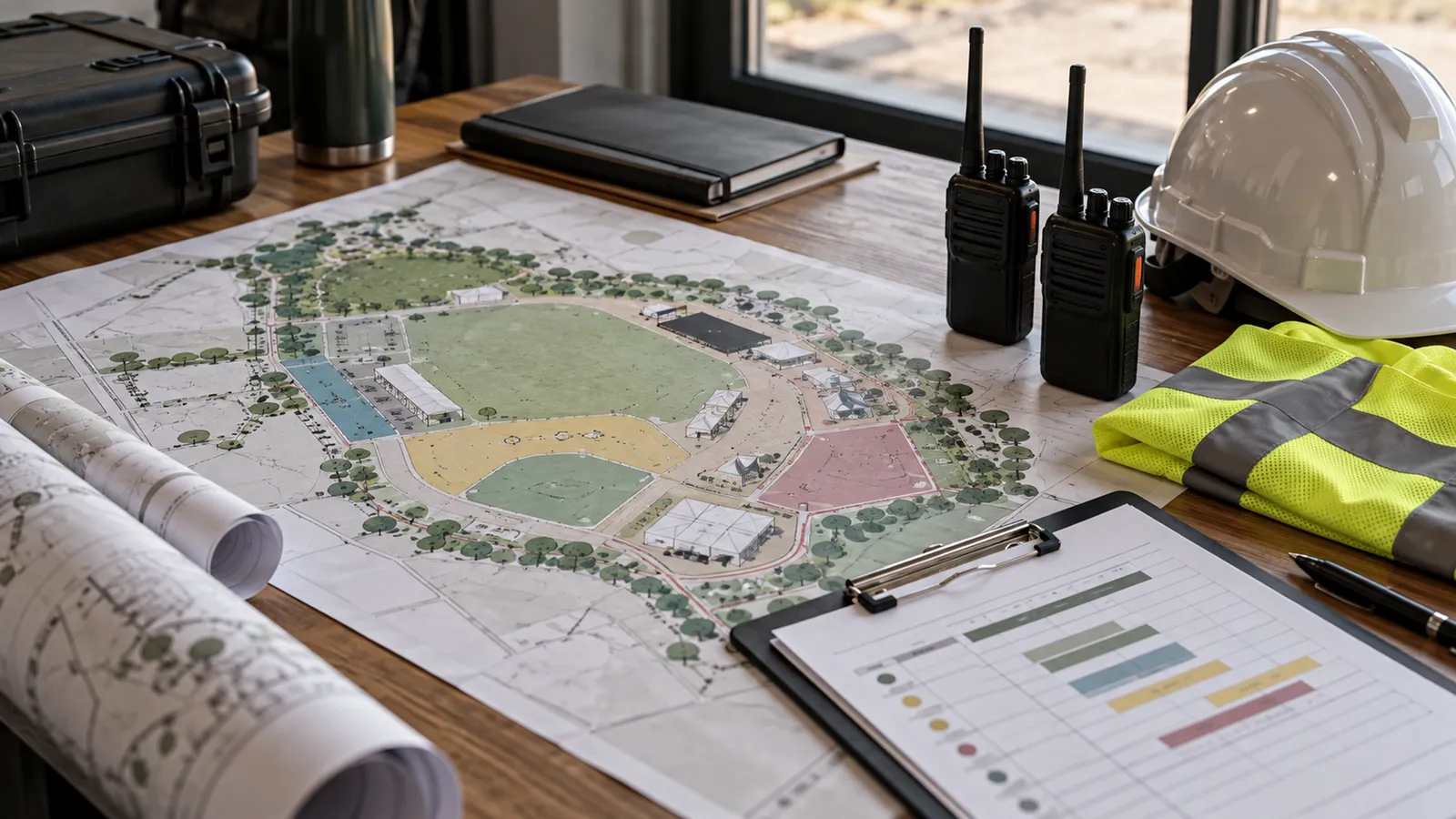
Underwriters generally look closely at the risk management plan on larger or public events, along with the security arrangements and who is supplying stages and structures. Where an underwriter is likely to question the plan, we tell you before the submission goes out, so you can address it with your own safety advisers. That is how harder events can often get terms.
04
One Policy for Tours, or an Annual Policy
A multi-city tour or a calendar of events can be simpler, and often more cost-effective, on one policy than on a policy per show. For event businesses, an annual policy is another way to secure cover early and also protects the business between events.
COVERAGE DETAILS
What Event Insurance Covers
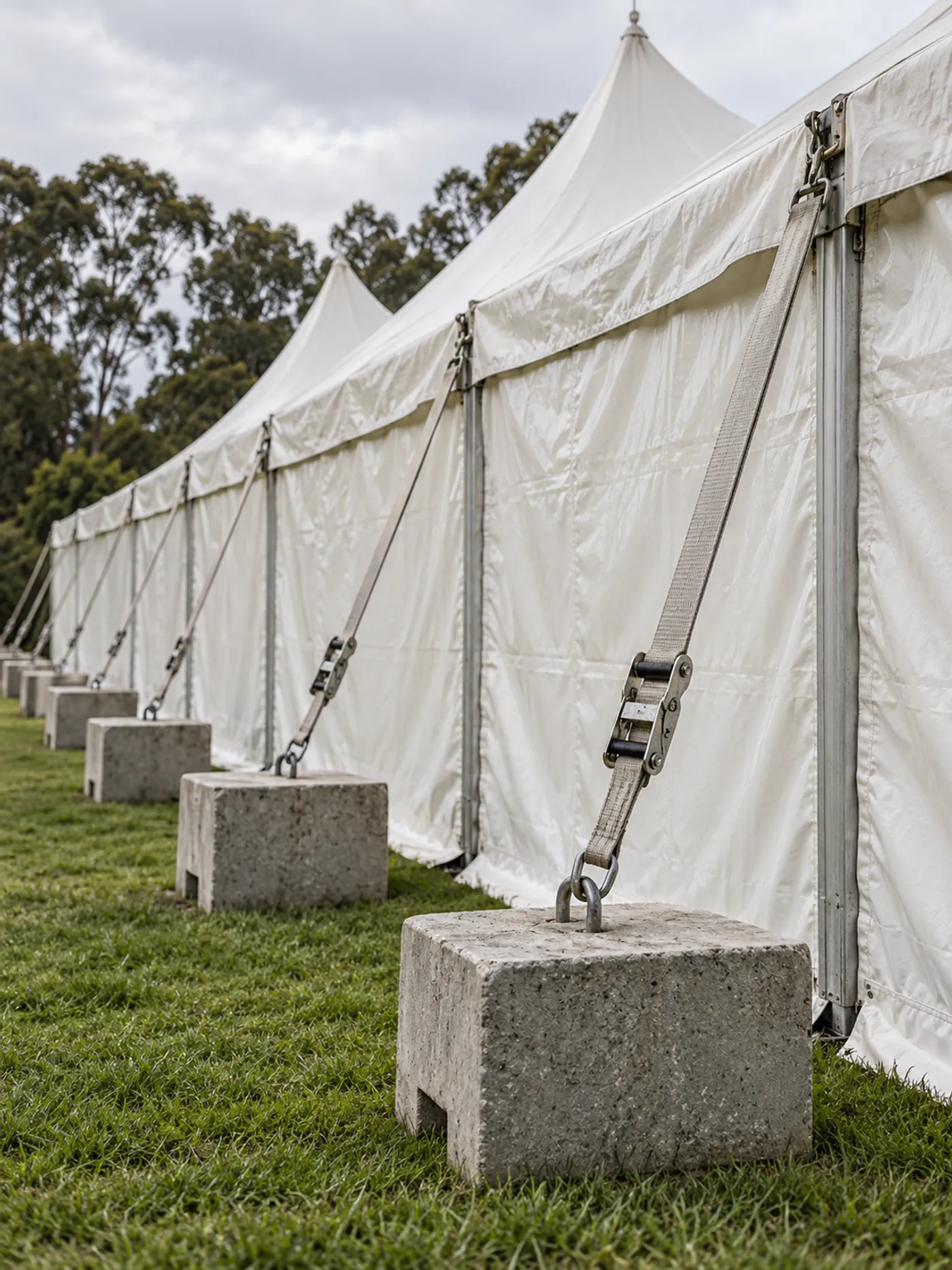
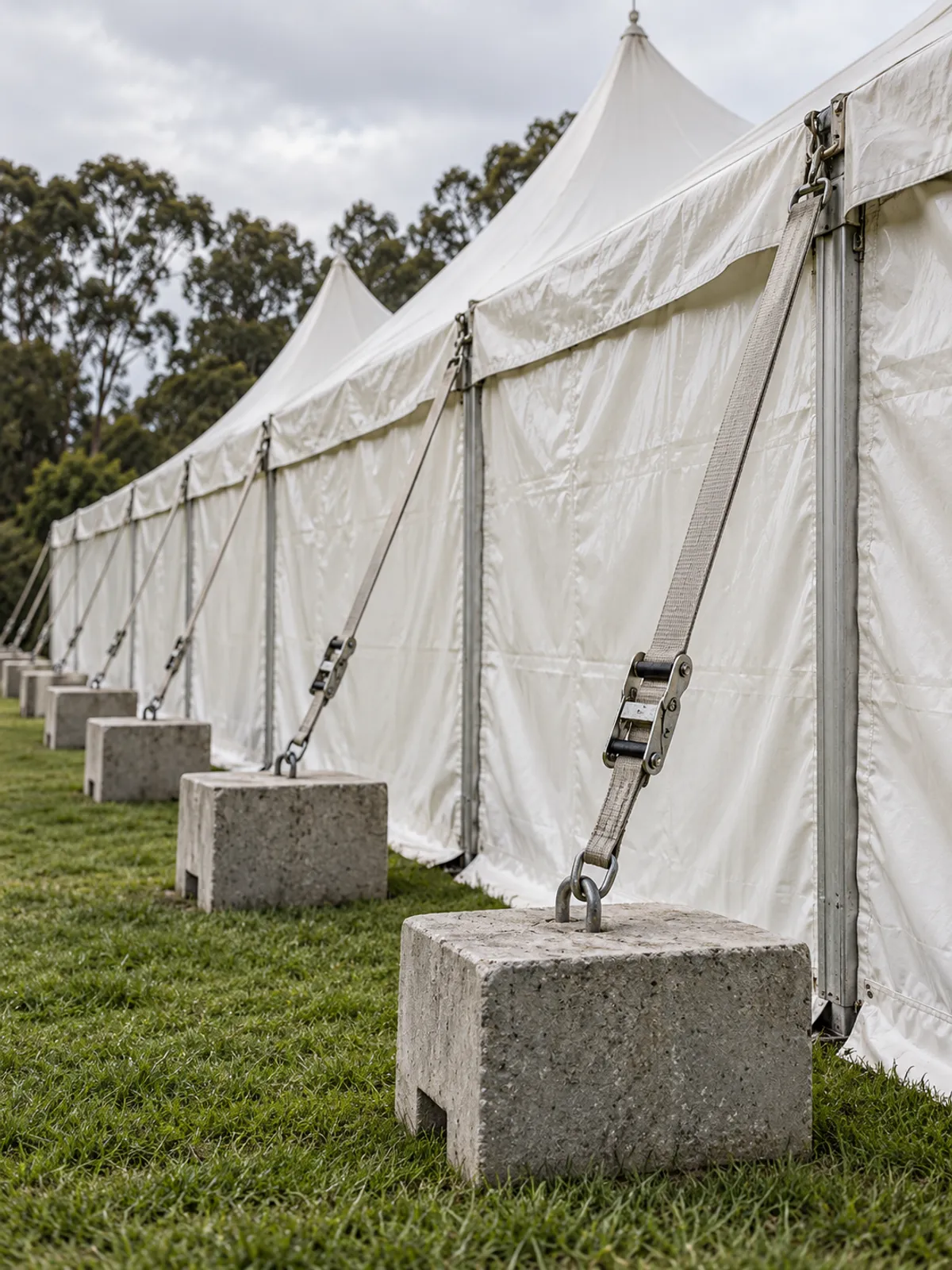
A typical event program combines public liability with cancellation, and adds weather, non-appearance and volunteer cover where the event needs them. Cover always depends on the policy wording.
Usually Covered
Not Typically Covered
This is a general guide only. What is and isn't covered depends on the terms, conditions, limits and exclusions of your specific policy.
REAL PLACEMENTS
Event-Sector Risks We Have Placed
Historical Tank placements, anonymised with premiums rounded up. Current appetite, premium and terms depend on the full risk at the time of application. Not a quote.
Premiums and outcomes described are specific to each client and indicative only. Your own terms will depend on your circumstances and the insurer.
FREQUENTLY ASKED QUESTIONS
Event Insurance FAQs
RELATED COVER
More for Event Organisers and Suppliers
Get the Certificate Your Venue Needs
Tell us the event, the date, the venue, expected attendance and what the venue or council has asked for. We will take it to specialist event markets and come back to you with the options available.