
Insurance for Heritage-Listed and Older Mixed-Use Buildings
A heritage listing puts a mixed-use building outside every mainstream insurer's appetite in one move. So does an older build that has never been rewired. Both can still be placed. The product changes, the market changes, and the questions on this page are what the specialist underwriters ask.
ISR
The Route
Rewired?
The Question
Still Placeable
With The Right Product
Recognition

THE SHORT ANSWER
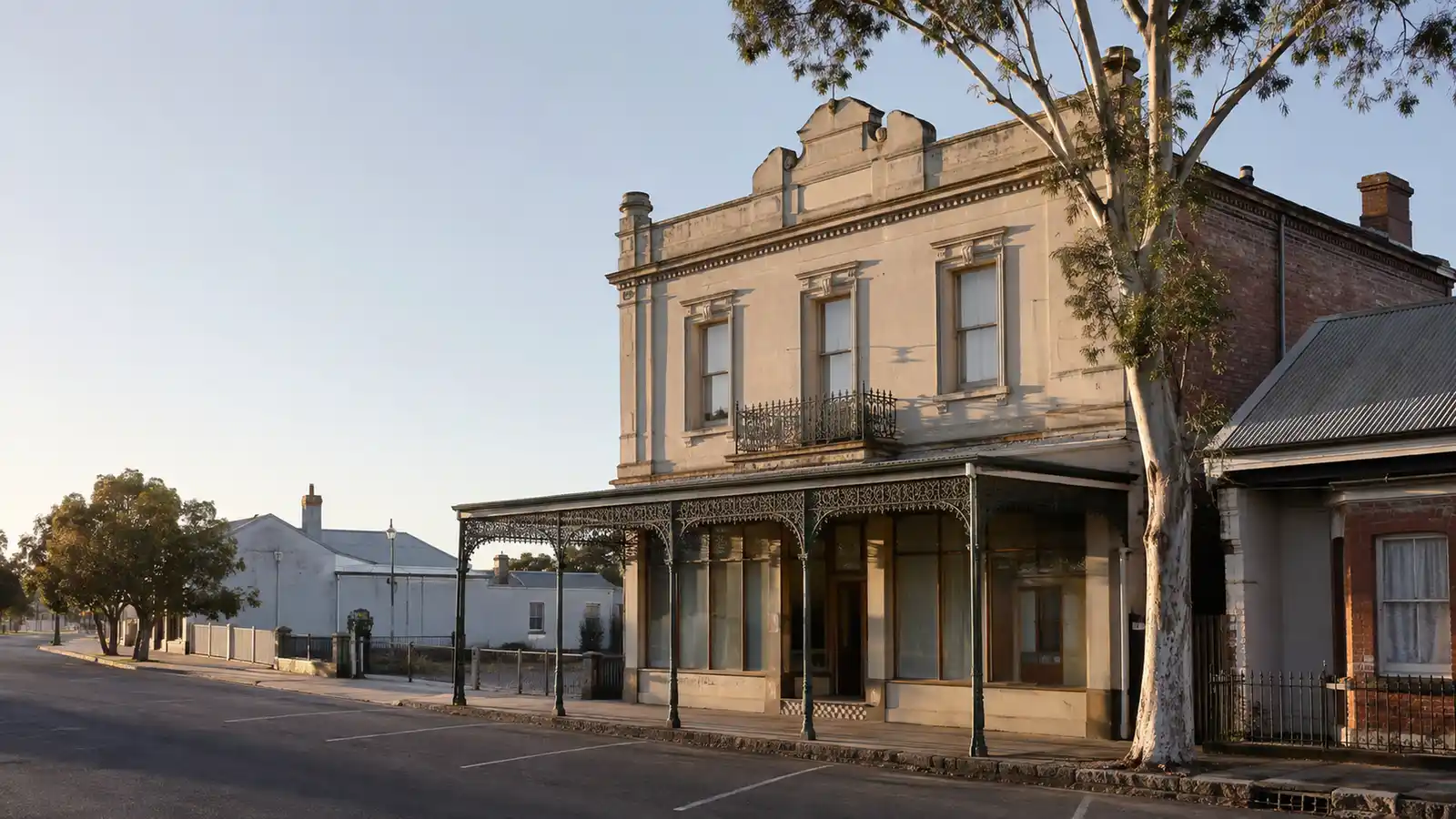
A heritage-listed building with a shop or cafe below and residential above is usually outside every mainstream insurer's appetite, so the placement moves to an Industrial Special Risks (ISR) policy with a small number of specialist underwriters. Older buildings that have never been rewired or replumbed sit in the same hard basket. Older buildings that have been rewired and replumbed are placeable on a standard mixed-use policy. Our heritage and older-building placements in the past year ranged from around $3,000 to around $15,400 a year.
The gap between the bottom and the top of that range is the difference between an 1880s double-brick building with a professional office, and a 1920s heritage-listed building with a cafe. Age alone isn't the problem. Unrewired services under a commercial kitchen, and a rebuild obligation that has to satisfy a heritage authority, are.
- Heritage listed
- ISR with specialist markets
- Older, never rewired
- Hard, often ISR
- Older but rewired and replumbed
- Standard mixed-use policy
WHY IT IS HARD
Why a heritage listing changes the product, not just the price
Mainstream mixed-use policies are written for buildings that can be rebuilt with standard materials by standard trades. A heritage listing removes that assumption. The rebuild has to satisfy a heritage authority, the materials and trades cost more, and the timeline is longer. Rather than price for that, the mainstream markets decline it and the building moves to underwriters who write complex property on an all-risks basis.
01
Rebuild obligation
A heritage listing can require like-for-like reinstatement of facades, joinery, roofing and detail. The sum insured has to be set on that basis, and mainstream wordings are not built for it.
02
Services under a kitchen
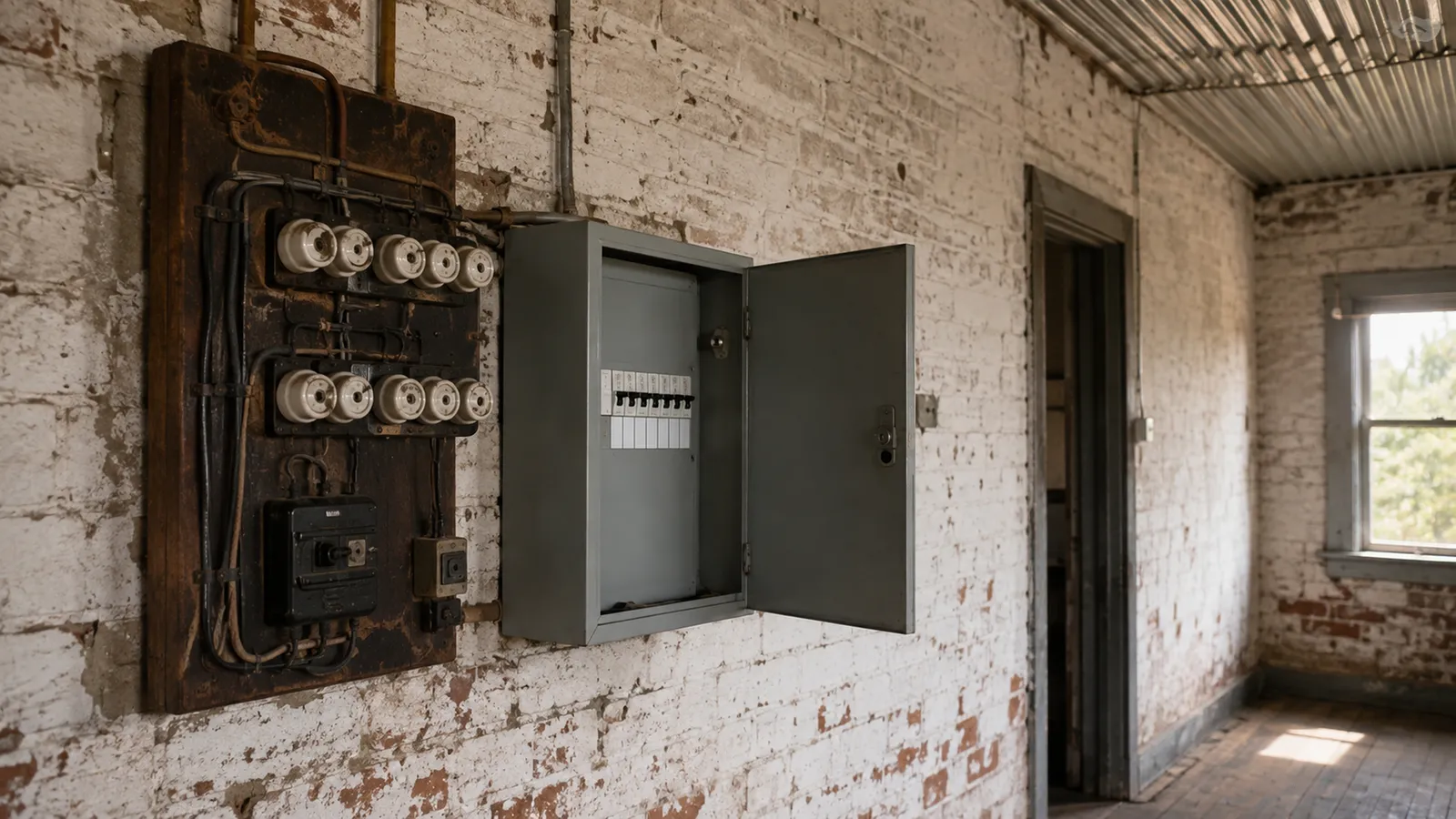
Original wiring and plumbing beneath a commercial tenancy is where the claims come from. The rewiring and replumbing dates are the first two questions every underwriter asks.
03
Fire separation
Older buildings often have timber floors, shared ceiling cavities and no fire-rated separation between the shop and the residence. Specialist underwriters can work with that; mainstream systems can't.
04
ISR is property only
An ISR policy covers the building and the rental income. Public liability for the owner is arranged as a separate policy alongside it, and we structure the two together.
BEFORE WE QUOTE
What underwriters ask about older buildings
These eight answers decide whether the building stays on a standard mixed-use policy or moves to ISR, and what it costs either way.
REAL PLACEMENTS
Heritage and older buildings we've placed
Anonymised placements from our mixed-use book. Each one shows a different route: ISR, standard policy after rewiring, and a specialist market for a heritage facade.
Premiums and outcomes described are specific to each client and indicative only. Your own terms will depend on your circumstances and the insurer.
QUESTIONS
Heritage and Older Mixed-Use Buildings - Frequently Asked Questions
RELATED COVER & GUIDES
More on heritage and mixed-use property insurance
Have the listing details and the rewiring date ready. Those two answers set the route.
Talk to a Mixed-Use Specialist →
Heritage-Listed or Older Mixed-Use Building?
Send us the listing details, the year built, the rewiring and replumbing dates and the tenancy mix. We'll tell you whether it stays on a standard policy or goes to ISR, and approach the markets that write it.