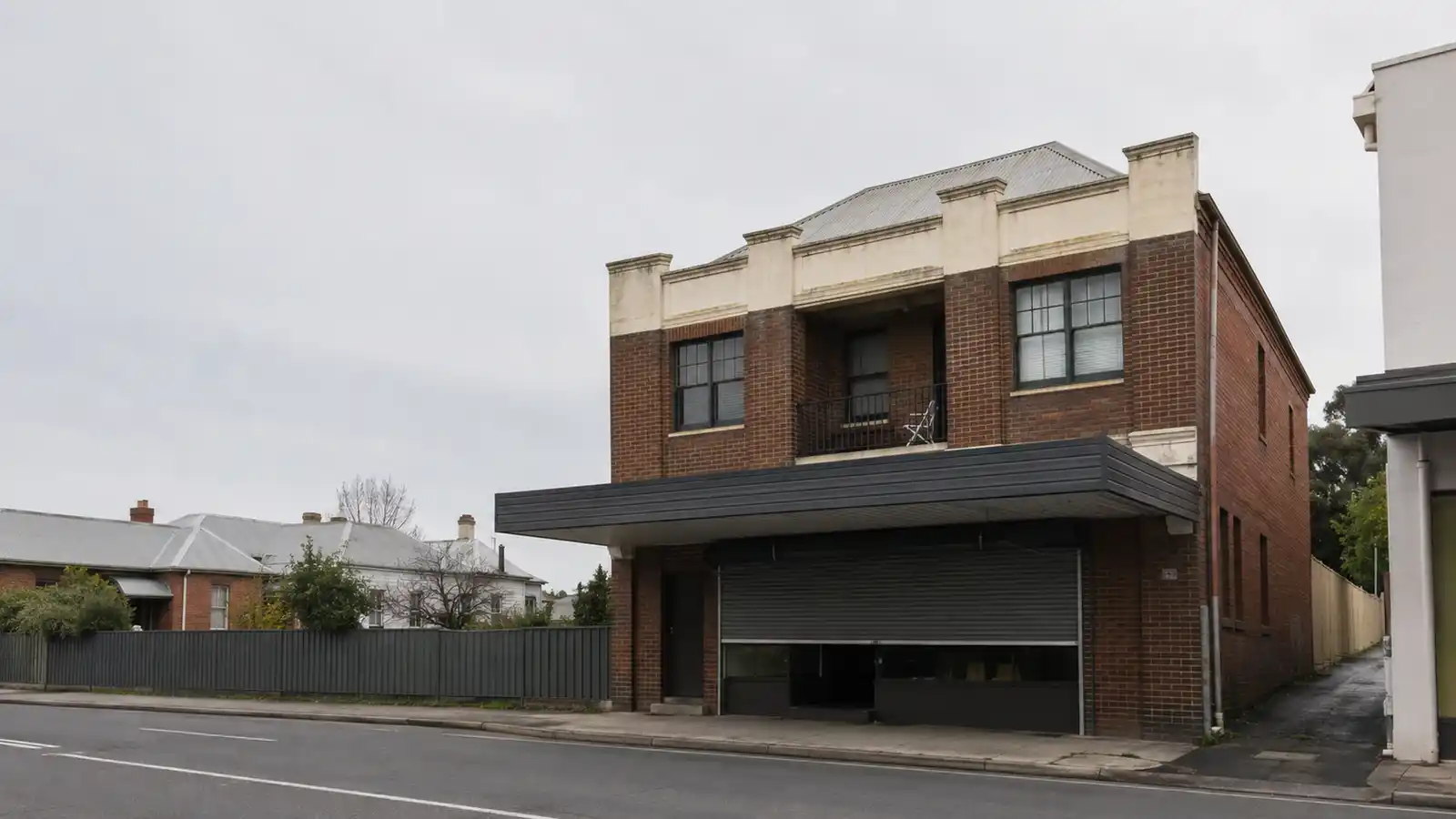
Weathered 1930s brick shop-top building with a half-closed roller shutter and flats above under an overcast sky

Declined for Mixed-Use Property Insurance? Here's Why, and What Happens Next

A shop or cafe below and a residence above sits between the two things most insurers write. A decline tells you one insurer's rule. It doesn't tell you the building is uninsurable. Most of the mixed-use buildings we place had been declined five or more times before they reached us.

One Insurer

Not The Market

Declined?

We Place It

One Roof

One Policy

Recognition

Industry Awards

THE SHORT ANSWER

A decline on a mixed-use building almost always comes from one insurer's rule about the residential share, the tenant downstairs, the building's age or the way the title is set up. It's one insurer's answer, not the market's. Most of the mixed-use buildings we placed in the past year had been declined five or more times before they reached us, and most were bound quickly after enquiring with us.

The reasons are predictable and most are workable. Some are fixed by presenting the building properly, some by taking it to a market with a different residential cut-off, and two (heritage listing and separate buildings on one title) are fixed by changing the product to ISR rather than the insurer.

Appetite
Case by case, building by building
Common reason
Residential share above half
Route change needed
Heritage or separate buildings

WHAT A DECLINE MEANS

Which declines are fixable, and how

Every decline we see on a mixed-use building fits one of four buckets. Knowing which bucket you are in tells you whether the next step is a better submission, a different market, a different product, or an honest conversation about timing.

Unreadable insurance letters, reading glasses and a building elevation drawing on a worn timber desk

01

Fixable by presentation

Cooking detail, fire separation, security, the tenancy schedule and a proper sum insured. A generic form gets a generic decline. The same building described properly gets read.

02

Fixable by market

Residential share above half, whether the building is owned in a personal name or by a company or trust, a prior claim, a lapse. These are cut-offs that differ between insurers. The building goes to the market whose cut-off it clears.

03

Fixable by product

Heritage listing, and separate buildings on one title. No mixed-use business pack will take these. An Industrial Special Risks policy with a specialist underwriter will.

04

Vacant or between tenants

Usually workable. We tell the underwriter it's vacant and update them when the lease is signed; the incoming tenant is what matters. A residence let only on short-stay platforms is the harder case, and we'll tell you on the first call where it stands.

WHY IT HAPPENS

The reasons insurers decline mixed-use buildings

Each of these is a reason we see. Most link to what we do about it.

A residence let only through short-stay platforms, or a vacant shop presented with no indication of the incoming tenant
A previous claim on the building, or a lapse in cover
Ownership structure: some commercial markets want the building owned by a company or trust, others prefer a personal name, so the name on the title narrows the field
The submission itself: a one-page form that never told the underwriter what they needed to know

REAL PLACEMENTS

Declined elsewhere, then placed by us

Anonymised placements from our mixed-use book. These are real declines, without naming specific insurers or underwriters.

Premiums and outcomes described are specific to each client and indicative only. Your own terms will depend on your circumstances and the insurer.

QUESTIONS

Declined Mixed-Use Property - Frequently Asked Questions

Almost every mixed-use decline traces back to one of a few things: the residential share of the building is above the insurer's cut-off, the tenant downstairs cooks, the building is heritage-listed or old and unrewired, the title holds two separate buildings, the commercial tenancy is vacant, or the submission didn't give the underwriter what they needed. Each of those is one insurer's rule. The building is the same building at the next market.
More than you would expect. Most of the mixed-use buildings we placed in the past year had been declined five or more times before they reached us. Appetite for this class is case by case: each underwriter weighs the tenants, the location, the construction, the documents presented and the valuation differently, so the same building can sit inside one market's appetite and outside the next. That's the reason a specialist broker exists for this class: the markets that write it are specialist agencies that only deal through brokers, and knowing which one fits which building is the job.
Usually, yes. A non-renewal is likely one insurer leaving a class or a region, or reacting to a claim. It has to be disclosed, and it narrows the field, but it rarely closes it. Send us the non-renewal notice, the schedule and any claims detail and we'll map the markets that still want the building.
Not directly. You generally need to disclose them, and underwriters do read them, but what sets the terms is the building and the market it goes to. The right response is to stop collecting declines from insurers that were never going to write the building and take it to a market that wants it, presented the way that market needs to see it.
Because it isn't a mixed-use risk in the way insurers define it. A mixed-use policy is written for one building under one roof with commercial below and residential above. A commercial building and a separate house on the same land, however close together, is usually written as an Industrial Special Risks (ISR) placement. Different product, different markets, and it is placeable.
It's usually fine. We tell the underwriter the tenancy is vacant, and when it's leased we update them with the tenant. That's straightforward unless the incoming tenant changes the risk, say an office becomes a tobacconist or a takeaway with deep fryers. That doesn't mean a decline, but the tenant matters and the policy needs to be endorsed. Underwriters look at the space itself too: if a commercial kitchen is already fitted, we approach the markets that would consider a kitchen tenant even while it's vacant, so they know what to expect.
With all the information in hand, we can do it in as little as 24 hours. Usually it's 48 to 72 hours depending on complexity and which markets are involved, and heritage or hospitality buildings can take longer because specialist underwriters assess them individually. The two things that make it fast are having every detail ready and being available to answer underwriter questions quickly. If you have a settlement, refinance or expiry date, tell us the date first. See cover before settlement or refinance.
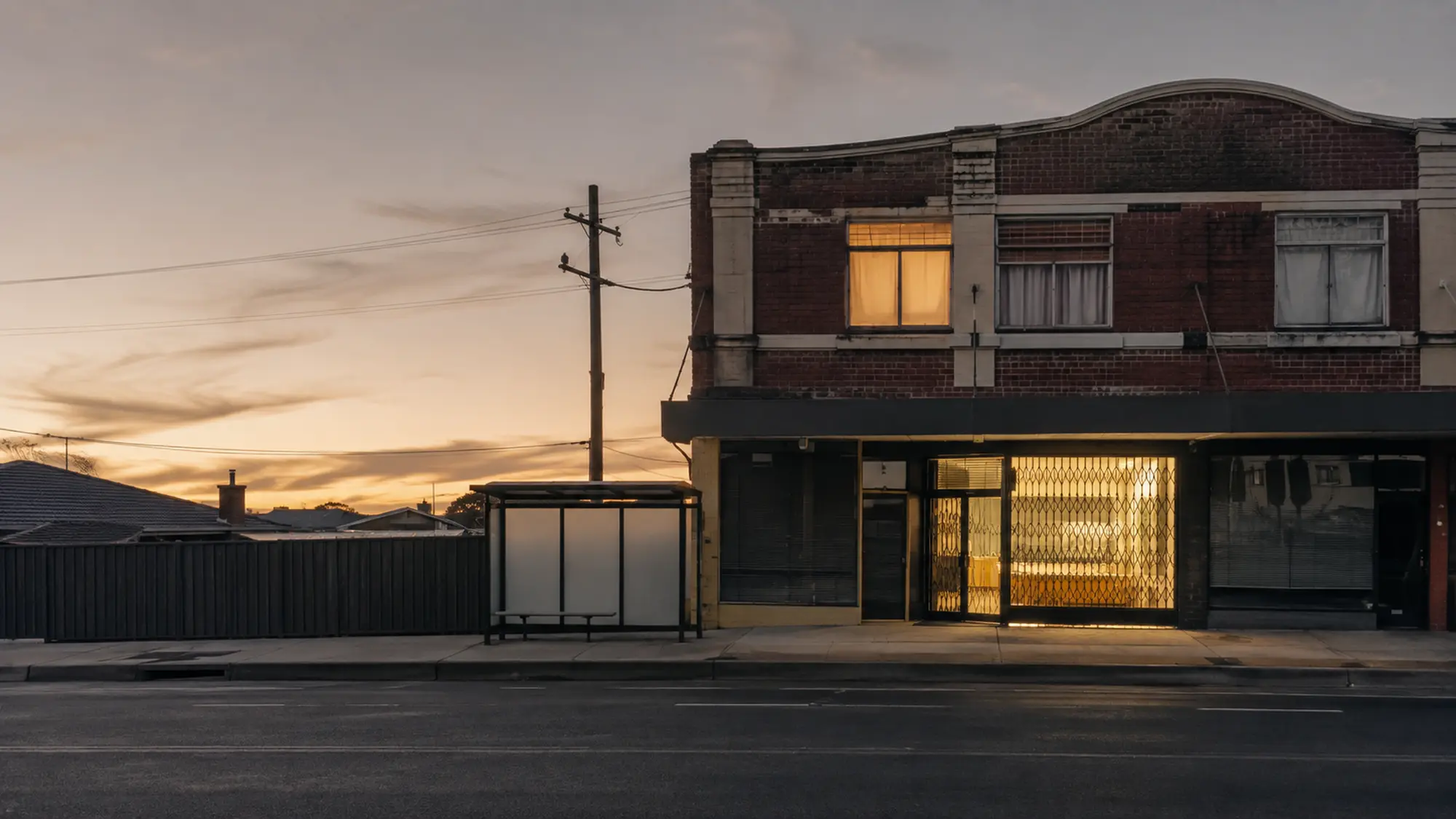
Quiet brick shop-top building with a lit ground-floor tenancy and warm upstairs window at early evening

Declined or Non-Renewed on a Mixed-Use Building?

Send us the address, the tenancy mix and the declines you've collected so far. We'll tell you which bucket you are in and which markets will still look at the building.

Last updated: 03/09/2026

Call Us Now +61 2 9000 1155