MIXED-USE PROPERTY INSURANCE

What Does Mixed-Use Property Insurance Cover?

Mixed-use policies combine commercial and residential cover under one schedule, but the boundaries matter. Here's exactly what a standard mixed-use policy does and does not cover, with real cross-boundary scenarios.

Building Structural cover
$20M Typical PL limit
52 wk Loss of rent
Cross-boundary Shared area claims
01

OVERVIEW

A standard mixed-use property insurance policy is designed to cover one building with both commercial and residential tenants under a single schedule. It combines what would otherwise be a commercial property policy (for the retail, office or cafe tenant) with what would otherwise be a landlord or residential block policy (for the apartments above).

The cover is broader than either on its own, because it has to handle incidents that cross the boundary between the two sides - a fire downstairs damaging apartments above, a water leak from upstairs flooding the retail below, a visitor injured in a shared stairwell.

The summary below is based on standard Australian mixed-use wordings from specialist underwriting agencies. Every policy is different - read the PDS and policy schedule before relying on any specific item.

What a standard mixed-use policy includes:

  • Building cover - the structure itself, external walls, roof, floors, shared areas, permanent fixtures
  • Public liability - typically $10M or $20M, covering third-party injury and property damage in parts of the building you're responsible for
  • Loss of rent - replacement income if tenancies become uninhabitable after an insured event (typically 12-24 months)
  • Owner's contents and fit-out - any contents, equipment or fit-out you own (not the tenant's)
  • Debris removal and professional fees - typically included up to a sub-limit

This is a general summary and not a substitute for reading your policy schedule and PDS. Cover varies between insurers. Tank Insurance is not a tax or legal adviser - confirm specific cover implications with your broker or advisers before relying on them.

02

WHAT'S ALWAYS COVERED

Coverages that appear in virtually every mainstream mixed-use wording we place:

Covered

Building structure

Full replacement cost cover for the structure - external walls, roof, floors, fixed windows and doors, permanent fixtures. Sum insured must reflect current rebuild cost (not market value), including demolition and council approval costs.

Covered

Public liability

Typically $10M or $20M. Covers third-party bodily injury and property damage in parts of the building you're responsible for as owner - shared entries, common hallways, external paths, car park, facade, and liability arising from structural issues.

Covered

Loss of rent

Replacement rental income if an insured event makes the tenancies uninhabitable or unusable. Standard cover is typically 12 months, extendable to 24 months on request. Applies to both commercial and residential portions. See our loss of rent glossary entry.

Covered

Core perils

Storm (wind, hail, rainwater from storm damage), fire (including smoke and firefighter water), theft and malicious damage (forced entry, vandalism, graffiti). Glass is usually a sub-limit rather than full cover.

Covered

Cross-boundary events

Damage that starts in one part of the building and spreads - a cafe fire damaging residential above, a burst pipe upstairs flooding retail below. Structural damage to both sides is covered. This is the core reason mixed-use exists as a distinct product.

03

WHAT'S CONDITIONALLY COVERED

Commonly available but depends on how your policy is structured, the tenancy mix, and specific sub-limits or extensions:

Conditional

Commercial tenant BI

Standard mixed-use covers owner's loss of rent, not the commercial tenant's business interruption. Tenant arranges their own BI. Some wordings offer a combined extension for tenant BI claims arising from building issues - ask specifically if this matters for your building.

Conditional

Glass, signage, external fixtures

Usually covered at a sub-limit ($5,000 to $25,000 typical) rather than full replacement cost. High-value shopfront glass, bespoke signage, architectural facades or hanging lights may need standalone extensions or increased sub-limits.

Conditional

Flood, cyclone, storm surge

Depends on insurer and location. Storm is automatic; flood (rising water from a defined watercourse) is often an optional extension. Queensland coastal may have cyclone excess loadings. Flood cover in high-risk postcodes is the coverage most commonly missing from owner expectations.

Conditional

Heritage reinstatement

Standard policies cover rebuild at current construction rates. Heritage buildings need reinstatement to heritage standards - original materials, compliant trades, council approvals. Typically an optional extension with sum insured increased 30-50% above standard construction.

Conditional

Shared area contents

Owner-owned contents in shared areas (common-area furniture, letterboxes, lighting, security systems) are usually covered at a sub-limit. If you have valuable shared-area contents, confirm the limit at bind.

Conditional

Vacant periods

Short vacancies (60-90 days typical) are covered automatically. Extended vacancies require insurer notification and cover may be reduced for theft and malicious damage during the vacant period.

04

WHAT'S TYPICALLY EXCLUDED

Exclusions that apply to most mainstream mixed-use wordings. Know them before you need to claim:

Excluded

Tenant contents, stock, equipment

Commercial tenant's stock, equipment, fixtures and fit-out are their responsibility (their own business insurance). Residential tenant's contents are their own (renter's contents). Building policy covers the structure and owner's fittings only.

Excluded

Tenant's own liability

Liability for injury or damage inside a tenanted premises (customer slipping inside the cafe) falls to the tenant's own PL, not the building owner's. The owner's liability applies to shared areas, facade and structure - not inside a lease area.

Excluded

Motor vehicles

Vehicles parked on the property (owner's, tenant's, customers') are not covered by the building policy. Vehicle damage from events affecting the building (wall collapse onto a car) is not covered. The vehicle owner's motor insurance applies.

Excluded

Wear, tear, inherent defects

Standard property exclusion. Cracking from slow subsidence, gradual water ingress from unmaintained roofing, corrosion, rising damp - all excluded. Insurance covers sudden and accidental events, not maintenance backlog.

Excluded

Certain tenancy types

Most mainstream policies exclude boarding houses unless specifically endorsed. Some exclude short-stay or Airbnb lets. Some exclude food tenancies with commercial cooking unless a detailed fire risk assessment has been completed.

Excluded

War, terrorism, nuclear, cyber

Standard property exclusions. Terrorism can sometimes be added back via an optional extension (and is in most ISR policies). Cyber is excluded from property policies - needs a dedicated cyber policy if the building has connected systems.

Excluded

Unauthorised building work

If work was done without council approval or by uncertified tradies, claims arising from that work are typically excluded. Also applies to illegal modifications such as unapproved boarding house conversions.

05

CLAIM SCENARIOS

These are real claim scenarios we see on mixed-use properties. Each shows how the policy typically responds - useful for understanding where cover starts and stops in practice.

These scenarios reflect standard mixed-use wording responses. Individual policy terms vary and should be checked at the schedule level.

Scenario 1 - Ground floor cafe fire spreads to apartments above

A cooking fire in the cafe's commercial kitchen spreads, damaging the cafe's fit-out and the structural floor above, with smoke damage to the residential apartments. A standard mixed-use policy typically responds as follows:

  • Building structural damage - typically covered up to the sum insured (subject to policy terms)
  • Smoke damage to the structure of the apartments - typically covered
  • Cafe's fit-out and equipment - not covered under the building policy (cafe tenant's own business insurance applies)
  • Apartment tenants' contents - not covered under the building policy (tenant's own renter's insurance applies)
  • Loss of rent on apartments and cafe while building is repaired - typically covered
  • Public liability if an apartment tenant was injured escaping the smoke - typically covered, subject to the policy PL section

Scenario 2 - Burst pipe in upstairs apartment floods retail below

A plumbing failure in an upstairs apartment causes water to flood the retail tenancy below. Typical mixed-use policy response:

  • Building structural damage (damaged ceiling, walls, floors) - typically covered
  • Retail tenant's stock and equipment - not covered under the building policy (tenant's own contents / BI policy)
  • Retail tenant's loss of income - not covered under the owner's policy (tenant's own BI, or a claim against the owner if negligence is proven)
  • Owner's loss of rent while retail is unusable - typically covered
  • If the retail tenant sues the owner for inadequate plumbing maintenance, public liability may respond - depends on the specifics of the claim and the policy

Scenario 3 - Visitor slips on wet floor in shared entry

A customer of the ground-floor cafe slips on wet tiles in the shared entry to the building. They sue for injury. Typical policy response:

  • The shared entry is owner-controlled, so the owner's public liability section typically responds
  • Covers legal defence costs and any damages payable, subject to the policy PL limit
  • If the slip happened inside the cafe itself, the cafe's own PL would typically apply instead
  • Most mixed-use policies carry a $10M or $20M PL limit which is usually sufficient for typical slip-and-fall claims, but every claim is assessed on its facts

Scenario 4 - Storm damages shopfront glass and signage

A severe storm shatters the shopfront glass, damages the illuminated signage and causes water ingress into the commercial tenancy. Typical policy response:

  • Building structural damage (roof, walls) - typically covered under storm
  • Shopfront glass - typically covered up to the glass sub-limit (check your schedule)
  • Signage - typically covered up to the signage sub-limit (often separate from glass)
  • Water damage to the structure - typically covered under storm
  • Water damage to the tenant's stock - tenant's own policy, not the building policy
  • Owner's loss of rent during repair period - typically covered

These scenario responses are general illustrations based on standard market wordings. Your specific policy schedule and PDS will determine how a real claim is handled.

06

LIABILITY ATTRIBUTION

Allocating liability between tenant, landlord and insurers at claim time is one of the more complex parts of mixed-use. How it usually breaks down:

Who pays for the structure

The building owner's mixed-use policy pays for structural repairs - regardless of which tenancy the damage started in or flowed into. This is why cross-boundary cover exists.

Who pays for tenant losses

Each tenant is responsible for their own contents, stock, equipment and business income. Commercial tenants need business insurance. Residential tenants need renter's contents. The building owner's policy does not cover these.

When the owner may be liable

If damage arose from something the owner was responsible for (inadequate maintenance, failure to repair a known issue, illegal modifications), the tenant or their insurer may sue for negligence. The owner's PL responds, defending and indemnifying up to the policy limit.

When the tenant may be liable

If damage arose from something the tenant was responsible for (poorly maintained commercial kitchen, unauthorised modifications, negligence), the owner's insurer may pay out and then pursue the tenant to recover. This is subrogation - see our subrogation glossary entry.

Why this matters at lease drafting

Commercial leases usually specify which party is responsible for what, and which insurances each must carry. A well-drafted lease requires the commercial tenant to carry business insurance with minimum liability limits and name the landlord as an interested party. On disputes, lease terms are the starting point.

This section is general information only. For specific liability questions on a live claim or lease, consult your broker and solicitor.

FREQUENTLY ASKED QUESTIONS

Mixed-Use Coverage FAQs

Generally no. The building owner's mixed-use policy covers the structure, the owner's fittings, public liability and loss of rent. The commercial tenant's own business stock, equipment, fixtures and fit-out are their responsibility - they should arrange their own business insurance that covers contents, business interruption and their own liability for their operations. Some landlord-style wordings include tenant improvements at a sub-limit, but don't rely on this without checking.
Cross-boundary damage is one of the most common mixed-use claim scenarios. A kitchen fire in the ground-floor cafe that damages the residential apartment above is covered under the building policy for the structural damage. The apartment tenant's contents are their responsibility (under renter's contents cover). Public liability for any injury to the apartment tenant or their visitors is picked up under the policy's liability section. Loss of rent while the apartment is uninhabitable is also covered for the building owner.
Most policies cover short vacancies (typically up to 60 or 90 days) as part of standard cover. Extended vacancy beyond that usually triggers a policy condition requiring notification to the insurer, and cover may be reduced or withdrawn for certain perils (theft, malicious damage) during the vacant period. If you know a tenancy will be empty for an extended stretch - renovation, end of lease with slow releasing - tell us before the vacancy starts so we can endorse the policy correctly.
Yes - public liability on mixed-use policies covers slip-and-fall, injury and property damage to third parties occurring in the parts of the building the owner is responsible for. This typically includes shared entries, stairwells, common hallways, external paths, car park and the building facade. Standard limits are usually $10M or $20M. Any liability arising specifically inside a tenanted premises (a customer injured inside the cafe, for example) usually falls to the tenant's own liability cover, not the building owner's.
Glass (shopfront, windows), signage and external fixtures like awnings are typically covered at a sub-limit rather than full replacement cost. Standalone glass cover for high-value shopfronts is often added via a separate glass extension. If you have valuable or bespoke signage, an architectural facade, or hanging lights, check the specific sub-limits - mainstream mixed-use wordings often cap these at $5,000-$25,000, which can be short of actual replacement cost.
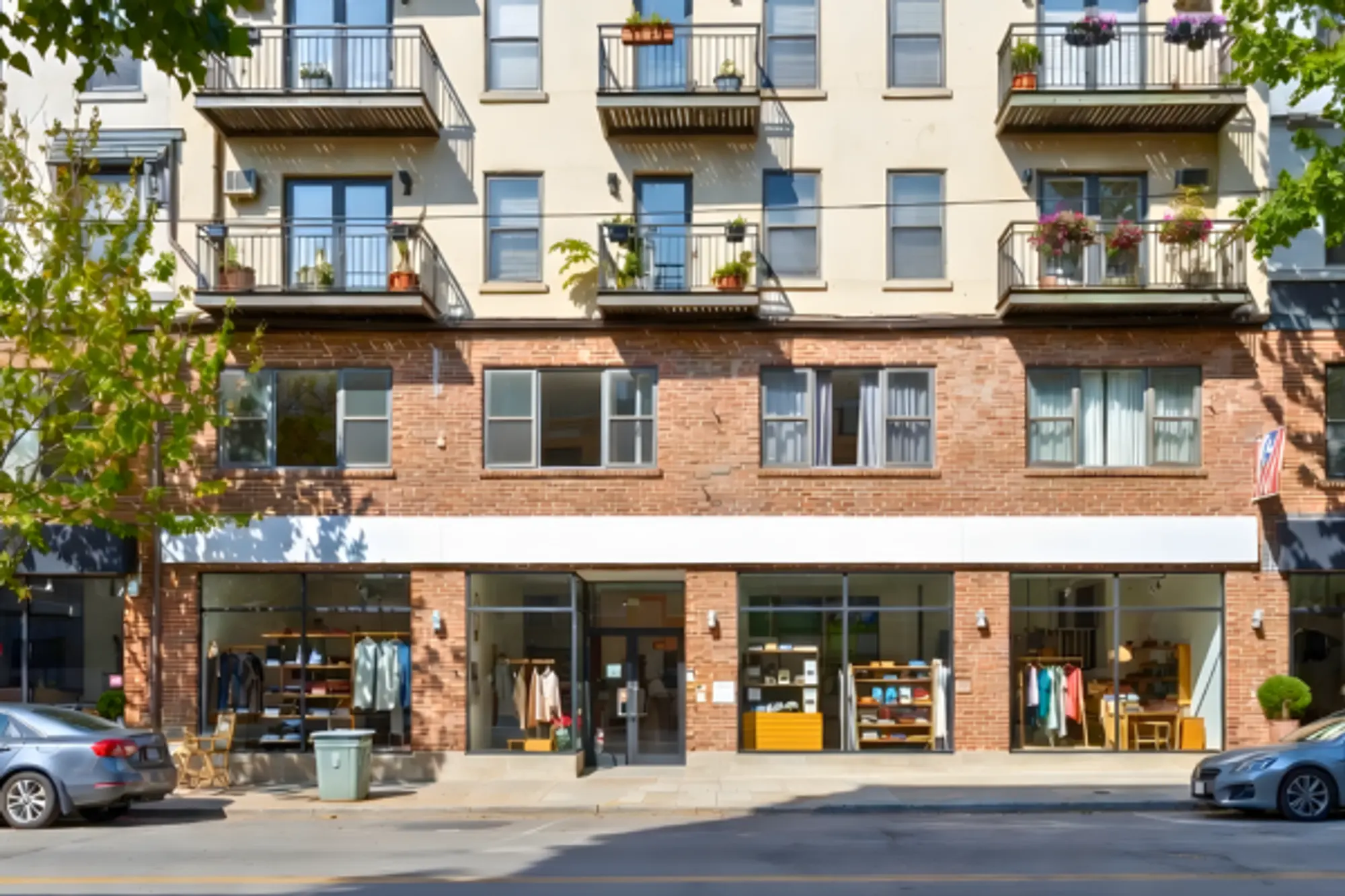
Mixed-use brick building with ground-floor retail shop and apartments above

Questions About Your Mixed-Use Cover?

We can review your current policy wording, walk through the specific exclusions and sub-limits, and flag any gaps before claim time - not after. Speak to a specialist mixed-use broker.

Expert Review: 18/04/2026

Verified by Tank Insurance Brokers

Call Us Now +61 2 9000 1155