
Venue booking
Many venues will not confirm a booking, or release the keys, until they have the certificate. Ask the venue what date they need it by.
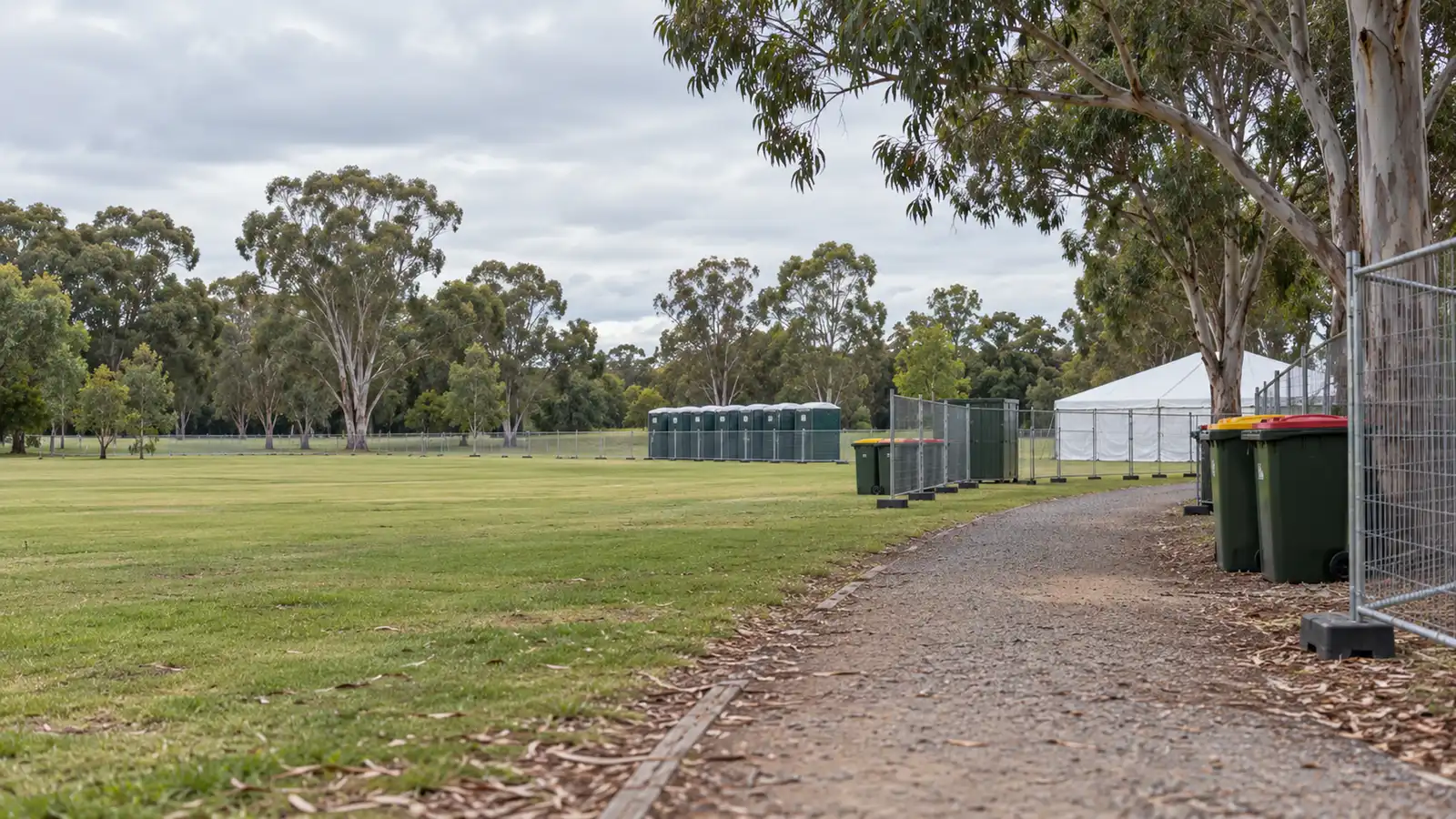
EVENT INSURANCE
The booking form asks for a $20 million public liability certificate of currency with the council noted as an interested party, and you have been asked to sort it out. This page explains what each of those words means, when the certificate is needed, and exactly what to send us.
Premiums and outcomes described are specific to this client and indicative only. Your own terms will depend on your circumstances and the insurer.
THE SHORT ANSWER
What insurance do councils and venues need before they approve an event booking?
Councils and many Australian venues ask event hirers for $20 million public liability insurance, shown on a certificate of currency, usually with the council or venue noted as an interested party. The certificate is a one-page summary from the insurer confirming who is insured, the limit and the dates of cover, and it needs to cover set-up and pack-down as well as the event day. Venues use it to approve bookings, and councils may ask for it with permit or grant applications, so it is often needed weeks before the event. Some councils accept $10 million for events on their own land but require $20 million for road closures.
If you have been handed this job without an insurance background, start with the table below. It translates the words on the booking form.

Our events specialist
Shaneel Gounden
Account Executive
$20 million public liability is the limit many councils, council venues and other Australian venues ask for, although some accept $10 million. In his career, Shaneel has not seen higher limits required, even for large festivals.
Previously in the Entertainment and Sports team at Marsh, placing event liability, cancellation and prize cover, then in events at Aon.
General information only. It does not take into account your objectives, financial situation or needs. Consider the relevant PDS and TMD before deciding, and cover is subject to the policy terms.
| Term | What it means | What to check |
|---|---|---|
| Public liability | Insurance that pays if someone at your event is injured, or their property is damaged, and you are legally responsible | That the policy covers the activities at your event, not just your usual business |
| $20 million | The most the policy will pay for any one incident | That the certificate shows $20,000,000 (or whatever the booking asks for) per occurrence |
| Certificate of currency | A one-page summary from the insurer confirming the cover is in place | Insured name, policy number, limit and dates of cover |
| Interested party | The council or venue's interest is noted on the policy and shown on the certificate | The exact legal name the council wants shown |
| Period of insurance | The dates the cover runs | That it includes set-up and pack-down days, not just the event day |
| Excess | The amount you pay towards a claim | Commonly around $500 to $1,000 on event public liability, in our events specialist's experience |
For more detail on the certificate itself, see what is a certificate of currency.
If a member of the public is injured at an event on council property, the council can be drawn into the claim. Asking the organiser for public liability, with the council's interest noted, means there is a policy in place that is expected to respond to the organiser's share of the liability. That is why the certificate is a condition of the booking rather than a suggestion.
Some councils ask for the council to be noted as an interested party; others ask for cover in joint names. These are different requests, and not every policy can do both. Send us the exact wording from the booking conditions and we will confirm what the insurer can show before the certificate is issued.
Many venues will not confirm a booking, or release the keys, until they have the certificate. Ask the venue what date they need it by.
Councils usually want the certificate with the event application. Some ask for applications at least 30 working days before the event, and longer for major events.
Events that close roads need traffic management approval, which can take several months for major closures. The certificate is usually part of that application.
Councils may ask for a certificate of currency with a grant application or before releasing funds, sometimes well before the event itself.
Aim to have public liability sorted around 90 days before the event where you can. In our events specialist's experience, many insurers will not quote a single event more than about 90 days out, so if a grant or permit needs a certificate earlier than that, an annual policy is another way to secure cover early, and it can cover the organisation's other events and activities through the year.
Damage to the venue. In our events specialist's experience, damage to hired halls and venues (floors and fittings) is among the most common event liability claims. Whether one is paid depends on the facts, the hire agreement and the wording. Read the hire agreement's damage clause, and note the condition of the venue at set-up and pack-down.
Slips where the venue is at fault. Where a guest slips and the investigation finds the venue was negligent, for example because of the building's own condition, the claim falls to the venue's insurance rather than the organiser's.
Your own people. Public liability does not cover injuries to the organiser, staff or volunteers. Associations that run on volunteers often consider voluntary workers personal accident. See community and association events.
Indemnity clauses. Hire agreements often ask the hirer to indemnify the council or venue. Some event liability wordings exclude these agreements unless the insurer has reviewed them, so send us the agreement with your enquiry.
A copy of the booking form, hire agreement or permit conditions, so we can see exactly what the council or venue asks for.
The council's or venue's full legal name as they want it shown as interested party.
Event name, date or dates, set-up and pack-down days, and the venue address.
Expected attendance, and whether people will be seated or standing.
Alcohol and who holds the licence, stalls, rides, amusements, fireworks, sport or anything else beyond people gathering.
The date the certificate is due. That tells us how to prioritise the placement.
An example: a charity foundation needed $20 million public liability for a 500-guest fundraiser gala at a major Sydney venue. Serving alcohol and RSA were the venue's responsibility, not the foundation's. Two specialist event markets quoted approximately $1,400 each, including GST and stamp duty, and cover was placed. Read the charity gala case study, or see one-off event public liability for what the cover does and does not include.
FREQUENTLY ASKED QUESTIONS
QUOTE REQUEST
Tell us the event, dates including set-up and pack-down, the venue, expected attendance, whether alcohol is served, and the date the certificate is due. Paste in the insurance clause if you have it.
You do not need to know insurance to get this right. Send us the venue or council's insurance clause and your event details, and we will take it to specialist event markets, come back to you with the options available, and confirm what the certificate can show before it is issued.
Last updated: 01/10/2026