
Advice and recommendations
Advice about system size, equipment, configuration, expected suitability or integration can be alleged to have caused financial loss.
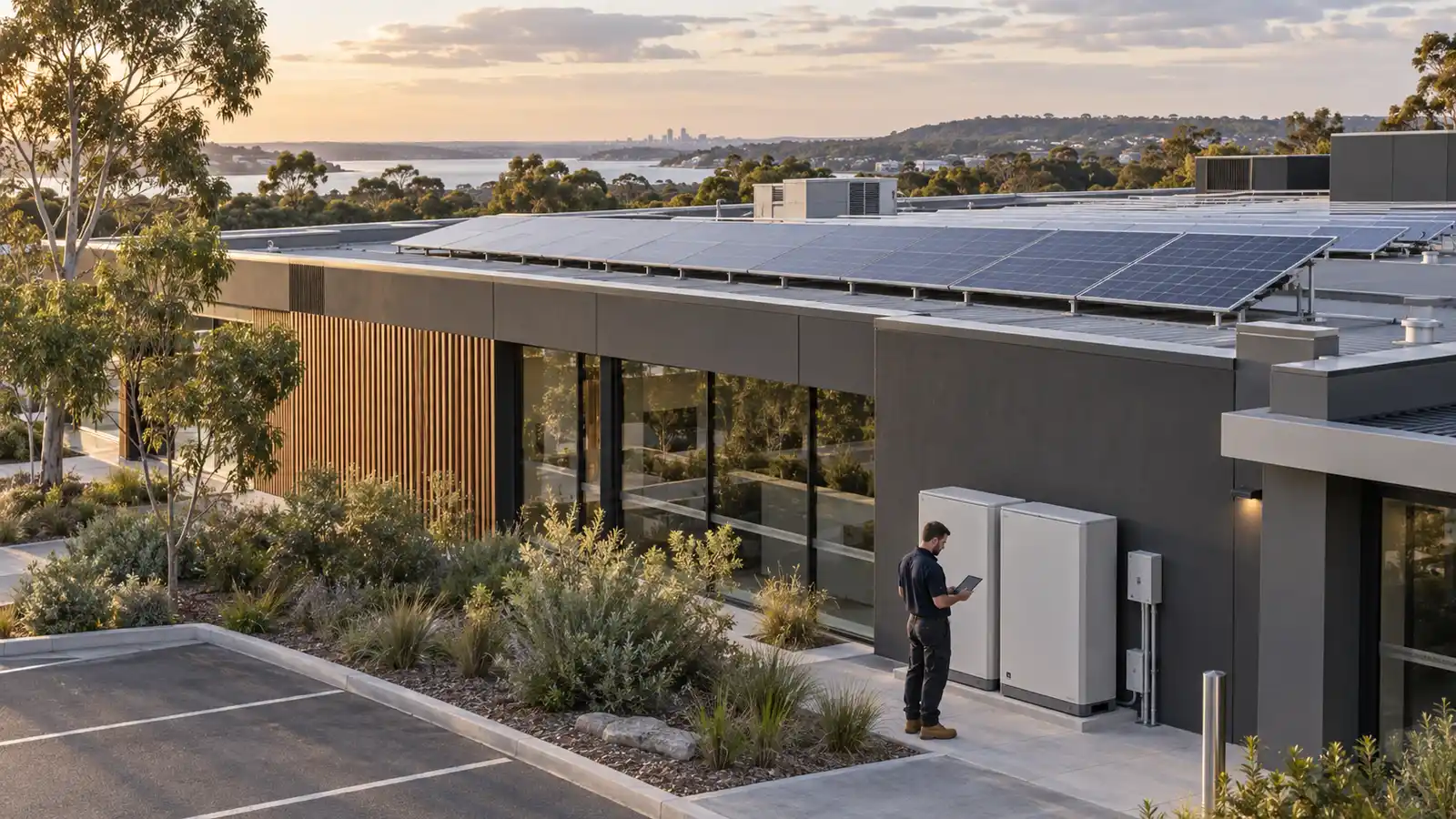
Follow the professional responsibility through system selection, design, documentation, project management and handover.
PI
Professional advice
PL
Work on site
D&C
Design responsibility
Recognition

THE SHORT ANSWER
Why can a solar installer need professional indemnity?
Professional indemnity may be relevant when a solar business is accused of causing loss through a covered error or omission in advice, design, specification, documentation or project management. Public liability addresses a different category of covered injury and property damage, so it should not be treated as a substitute for declared professional services.
The policy must match the services actually provided. Cover depends on the insuring clause, retroactive date, exclusions, excess, limits, notifications and insurer acceptance.
Advice about system size, equipment, configuration, expected suitability or integration can be alleged to have caused financial loss.
Layouts, calculations, single-line diagrams, specifications and protection settings should be described as professional services where the business provides them.
Using a consultant does not automatically end the contractor's exposure if it reviews, changes, adopts or promises delivery of the design.
Coordination, certification, procurement decisions and subcontractor oversight can create allegations distinct from hands-on installation.
PI is commonly claims-made. Maintain continuity and notify claims or circumstances in accordance with the policy requirements.
Fitness-for-purpose promises, guaranteed savings or output, liquidated damages and liability accepted only by contract may be restricted.
The cost of correcting defective work or delivering the promised result may not be insured merely because professional services were involved.
Complaints, defects and events that may lead to a claim need careful disclosure; a new policy is not a solution for an already known circumstance.
HOW WE ASSESS THE RISK
Tank's historical solar enquiries include a business with a small design component and mostly construction work, and one with a mixed retail, project-management and software scope. We ask for the design-versus-install split because occupation descriptions and underwriting outcomes can change with it.
This is a fact-find method, not a promise of insurer acceptance.
Retail, design, installation, commissioning, maintenance and monitoring software are listed separately.
Employees, subcontract installers or both, and how subcontractors are engaged.
The limit a contract or accreditation body asks for, checked against the work you perform.
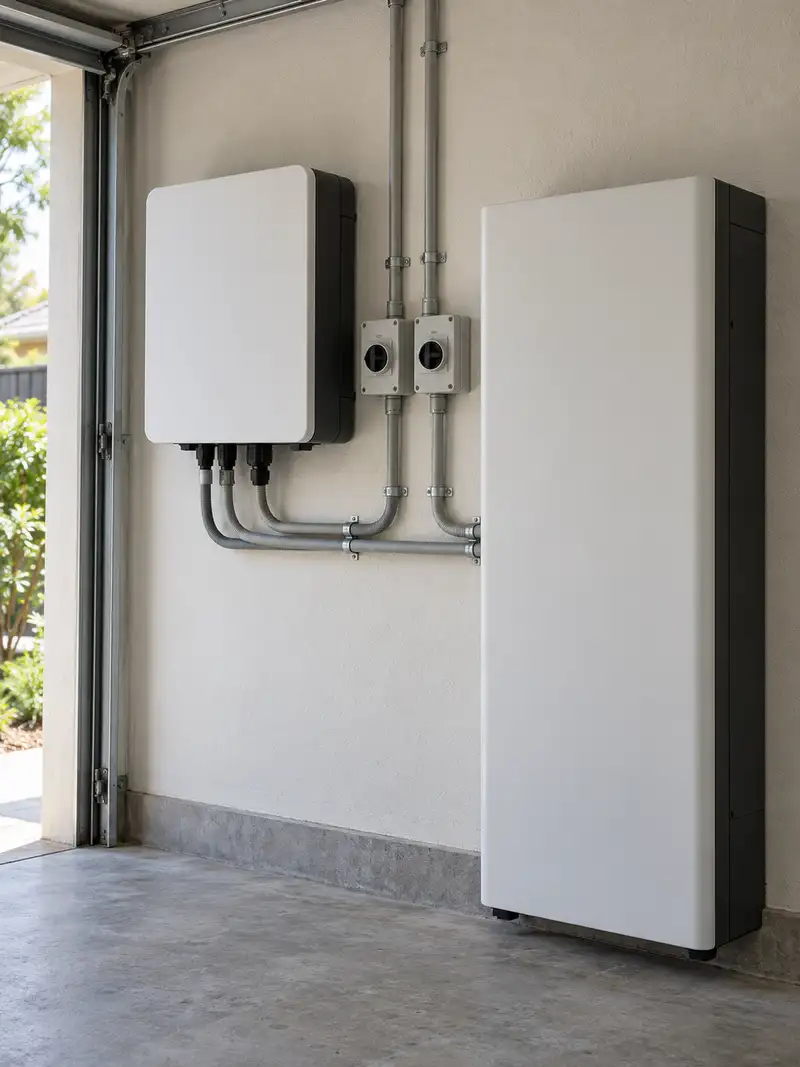
Estimate the split between professional services and physical construction. Businesses providing consultancy without installation may also compare our energy consultant PI guide.
Identify who designs and signs off, their qualifications and experience, plus relevant licences and accreditation. Pure engineering practices can see the electrical engineer guide.
Provide the largest completed and forecast projects, contract types, clients, jurisdictions and any work on larger buildings.
Disclose proprietary monitoring, control software or digital services separately; insurers may ask further questions where technology services sit alongside installation.
CASE STUDIES
Anonymised past placements from Tank's records. They are not quotes: your premium and terms depend on your work, claims history and the insurer's assessment.
Premiums and outcomes described are specific to each client and indicative only. Your own terms will depend on your circumstances and the insurer.
Technical and accreditation context checked 9 September 2026; SAA insurance evidence requirements checked 10 October 2026: Clean Energy Regulator, Solar Accreditation Australia and business.gov.au insurance guidance.
PRACTICAL QUESTIONS
SOLAR AND BATTERY INSURANCE LIBRARY
Tell us what you design, supply, install, commission and maintain. We can then identify which liability sections may be relevant and approach insurers with an accurate description of the work.