
System and capacity
Provide battery chemistry, nominal capacity bands and typical maximum installation size. Scheme eligibility and technical standards are separate from insurance cover.
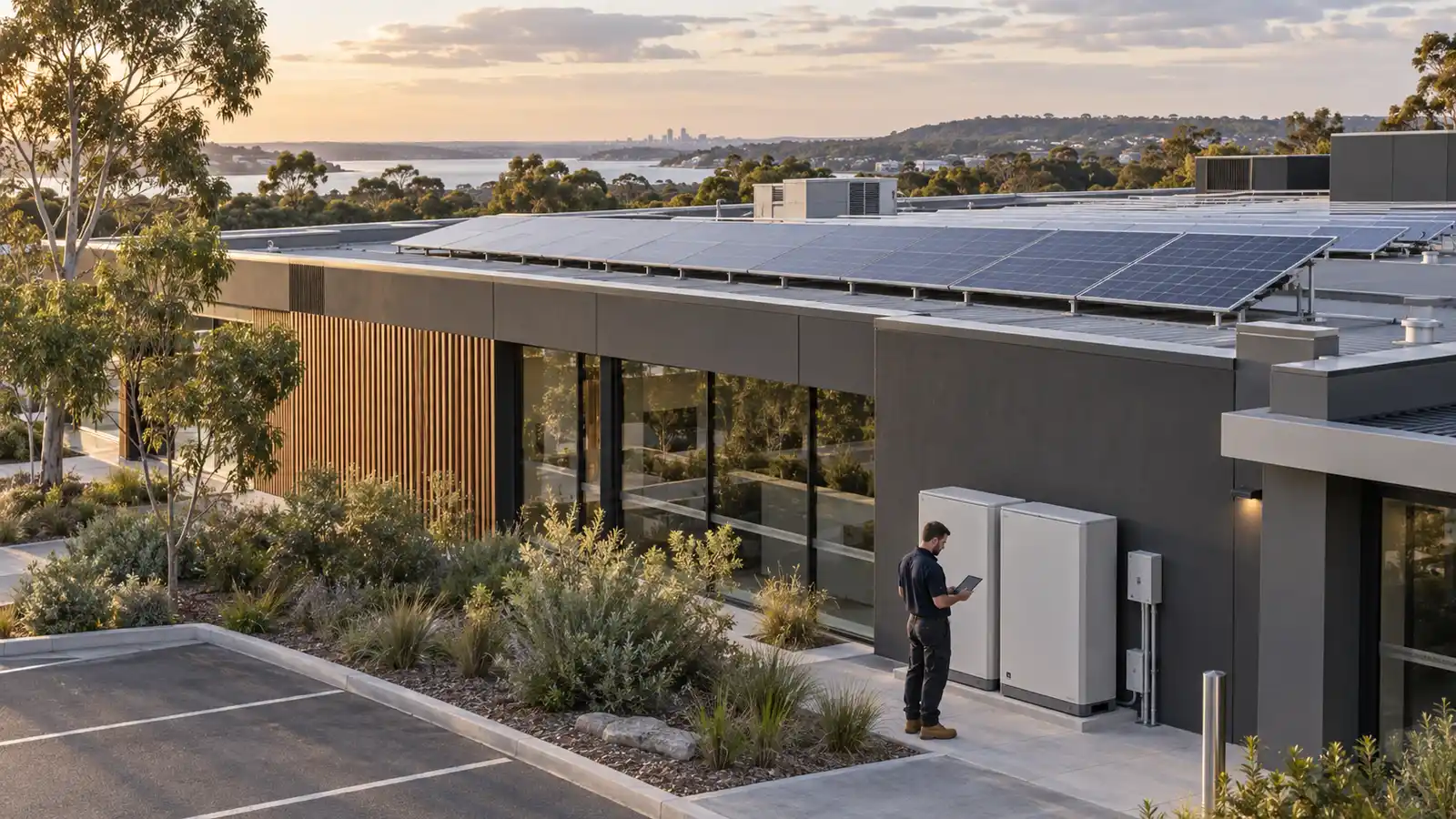
Clarify the storage systems, sites and professional decisions your business takes on before seeking PI and public liability terms.
PI
Professional advice
PL
Work on site
D&C
Design responsibility
Recognition

THE SHORT ANSWER
What insurance should a battery installer consider?
Battery installers commonly consider public and products liability for covered site and product-related injury or property damage, plus professional indemnity or design and construct cover when the business advises on, specifies, designs or adopts a storage solution. Other sections may be needed for tools, equipment, vehicles and work in progress.
SAA accreditation and electrical licensing can be relevant to project and SRES requirements. They are separate from insurance, which remains subject to declared activities, insurer acceptance and policy terms.
Tell the insurer whether you design, supply, install, commission or maintain batteries, and whether the systems are residential, commercial or stand-alone.
Provide battery chemistry, nominal capacity bands and typical maximum installation size. Scheme eligibility and technical standards are separate from insurance cover.
A garage installation, apartment project and commercial plant room present different surrounding property and access conditions.
Explain who selects capacity, integration, protection settings and equipment compatibility, and who signs off the design.
Disclose testing, firmware, remote monitoring and fault-response services rather than describing the business only as an electrician.
May respond to covered third-party injury or damage arising from site work, subject to exclusions including property being worked on and defective workmanship.
May be relevant to covered allegations about advice, specification, system design or other declared professional services.
Supplying equipment can create exposure after handover. Confirm completed-operations and products wording, territorial limits and any product exclusions.
Equipment awaiting installation, work in progress, tools and customer property may need separate sections; PI and PL do not insure every project asset.
HOW WE ASSESS THE RISK
For battery work, we rely on a detailed fact find and current official technical context: battery type and capacity, residential or commercial use, design responsibility, accreditation, licensing and subcontractors. We do not infer cover from accreditation alone.
This is a fact-find method, not a promise of insurer acceptance.
Retail, design, installation, commissioning, maintenance and monitoring software are listed separately.
Employees, subcontract installers or both, and how subcontractors are engaged.
The limit a contract or accreditation body asks for, checked against the work you perform.
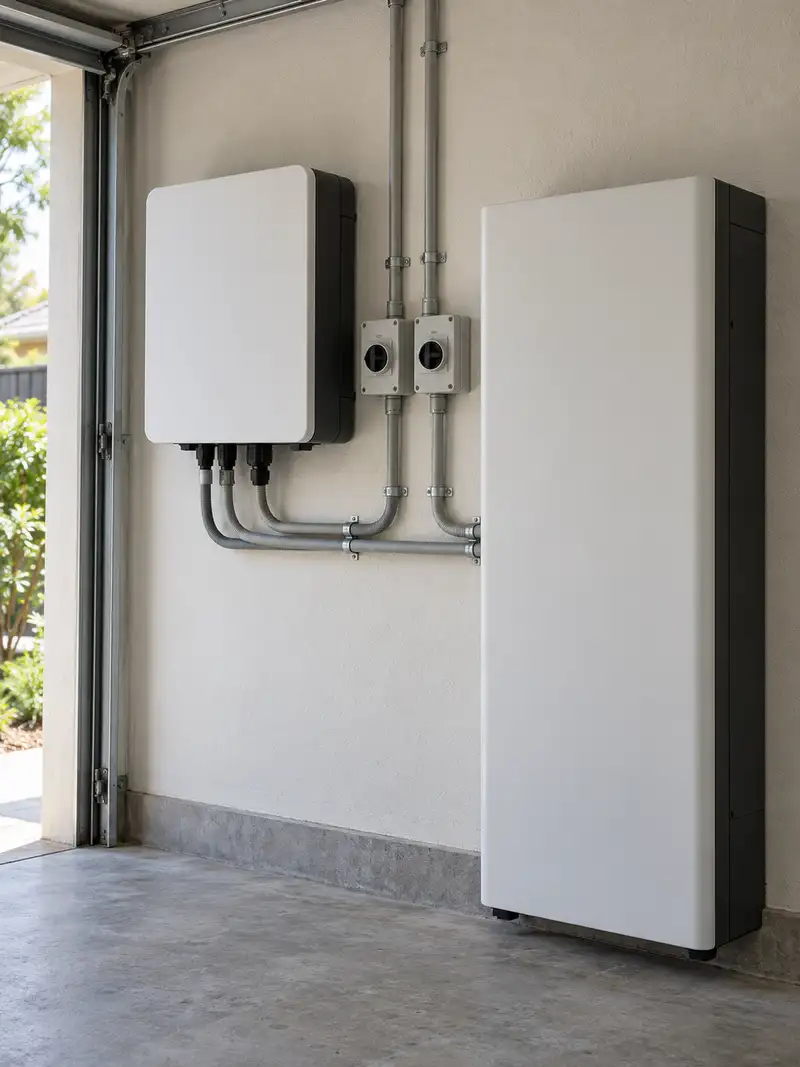
List electrical licences, relevant SAA accreditation types and who performs each regulated task. Accreditation does not itself prove insurance cover.
Set out employee and subcontractor use, supervision, contracts, certificate checks and whether work is subcontracted in full.
Provide annual turnover, highest contract value, locations, residential/commercial split, building height and off-grid work.
Disclose claims, known circumstances, recalls, complaints and contract terms such as performance guarantees or broad indemnities.
Technical and accreditation context checked 9 September 2026; SAA insurance evidence requirements checked 10 October 2026: Clean Energy Regulator, Solar Accreditation Australia and business.gov.au insurance guidance.
PRACTICAL QUESTIONS
SOLAR AND BATTERY INSURANCE LIBRARY
Tell us what you design, supply, install, commission and maintain. We can then identify which liability sections may be relevant and approach insurers with an accurate description of the work.