
Site activity and installation work
Public liability may respond to covered third-party injury or property damage arising from installation work, subject to the policy terms and exclusions.
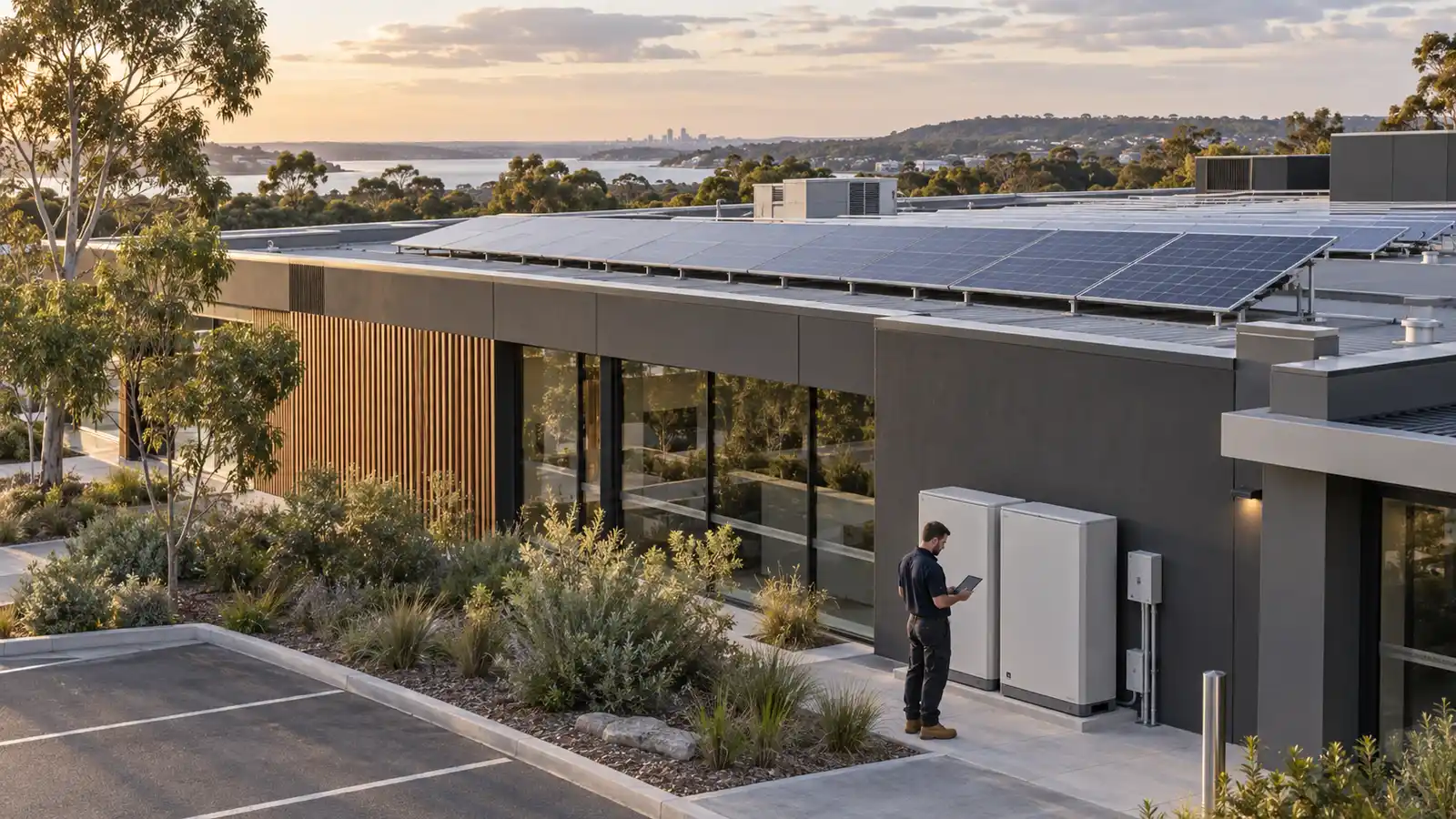
Professional indemnity and public liability arranged around the full job: advice, design, supply, installation, commissioning and maintenance.
PI
Professional advice
PL
Work on site
D&C
Design responsibility
Recognition

THE SHORT ANSWER
What insurance should a solar installation business consider?
A solar installer will commonly consider public and products liability for covered injury or property damage, and professional indemnity or design and construct cover where it gives advice, specifies equipment, produces or adopts designs, or accepts contractual design responsibility. Tools, vehicles, contract works, cyber and workers compensation may also be relevant to the wider business.
The correct structure depends on the declared services and policy wording. Cover is subject to limits, excesses, exclusions and the insurer accepting the risk; it is not a guarantee that every defect, loss or contractual promise is insured.
FROM SCOPE TO SUBMISSION
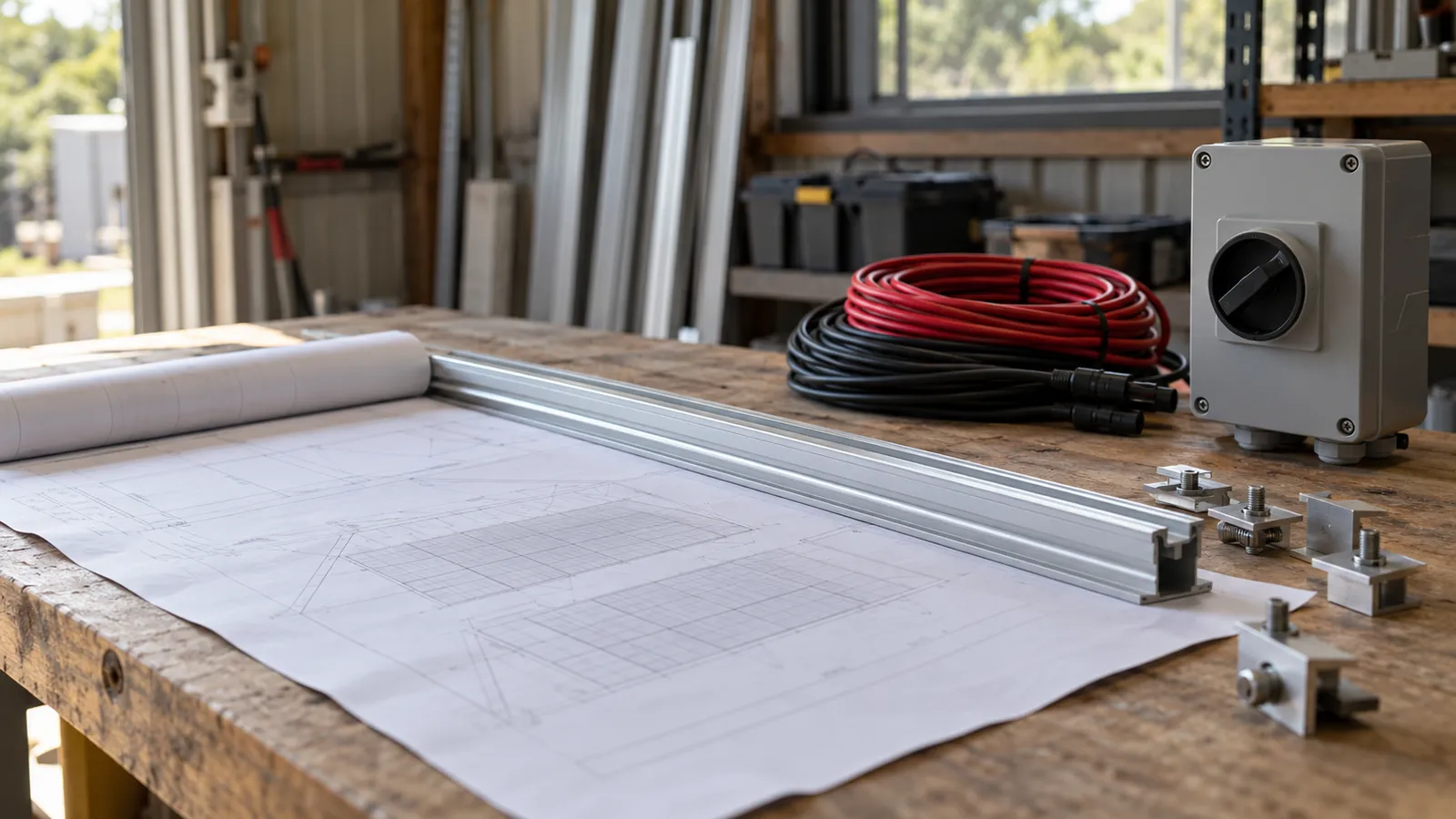
A useful insurance submission follows the job from the sales conversation to commissioning and identifies which responsibilities sit with your business.
01
System selection, calculations, layouts, specifications and adopted consultant work.
02
Panels, inverters, batteries, mounting systems and other products entering the contracting chain.
03
Roof access, penetrations, cabling, switchboard work and interaction with existing property.
04
Testing, commissioning, documentation, monitoring, maintenance and fault response.
PI, PL AND THE GAPS
A guide to policy architecture, not a statement that a particular event is covered.
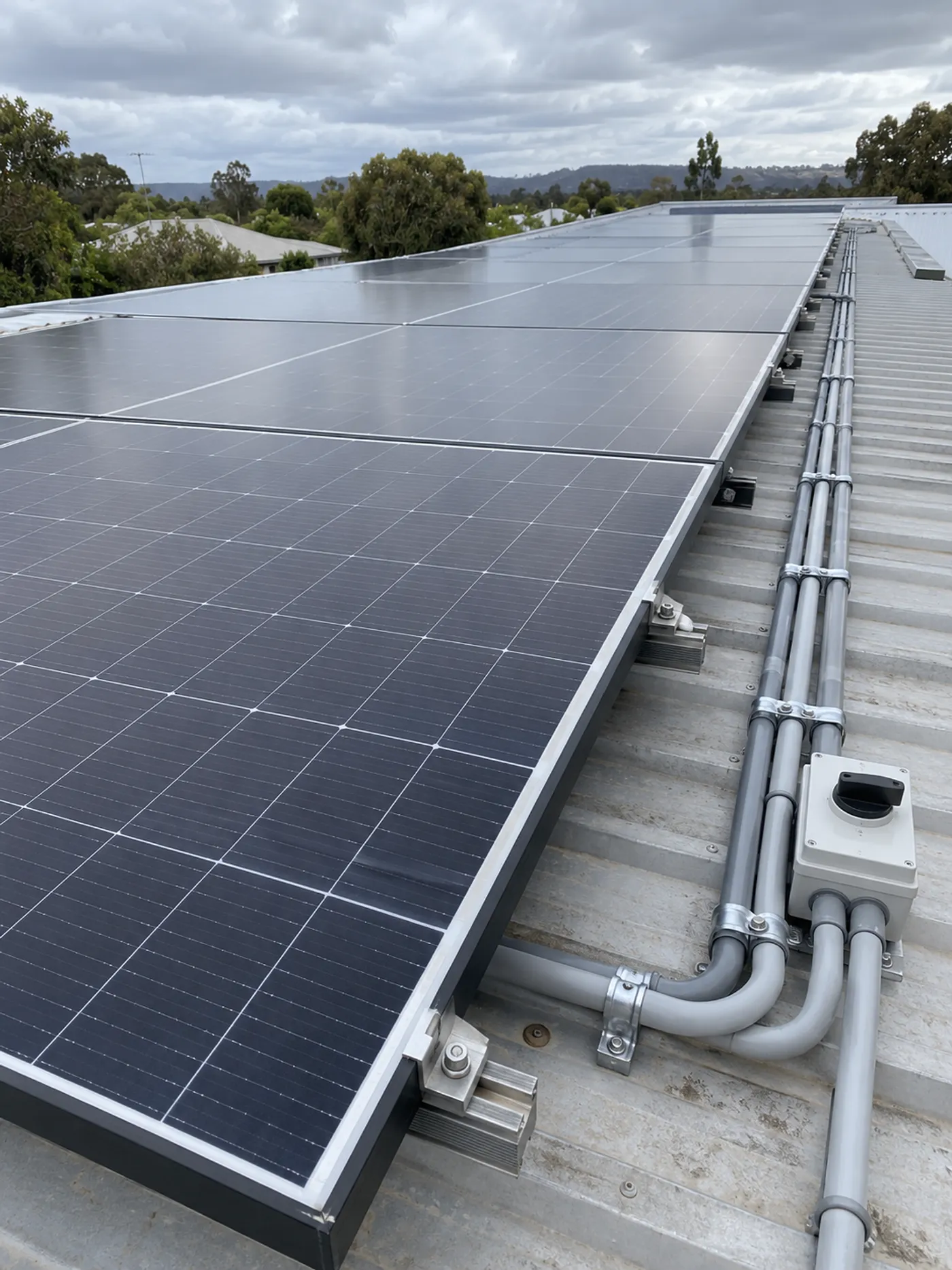
This is a general guide only. What is and isn't covered depends on the terms, conditions, limits and exclusions of your specific policy.
Solar contractors can cause physical injury or property damage while installing equipment, and can also be accused of an error in selection, layout, yield assumptions or technical advice. One policy section does not automatically replace the other.
Public liability may respond to covered third-party injury or property damage arising from installation work, subject to the policy terms and exclusions.
Professional indemnity may be relevant where the allegation concerns professional advice, calculations, documentation or a design service rather than the physical work alone.
Supplying panels, inverters, mounting systems or batteries can create products liability exposure. Confirm how completed work and supplied products are treated.
Damage to the part of a building being worked on is frequently restricted. This needs a wording check, especially for roofs, switchboards and existing electrical systems.
Set out typical system size, roof types, annual turnover, use of subcontractors and whether the business supplies the equipment.
Disclose project values, highest contract value, work at height, live-site procedures and any performance obligations in customer contracts.
Using an external designer does not necessarily remove your exposure. A claimant may still pursue the contracting entity that promised the finished system.
Ongoing inspection, monitoring, repair and recommissioning should appear in the declared business description if those services are provided.
HOW WE ASSESS THE RISK
Tank's enquiry history includes solar businesses that combine activities such as retail, design, installation and subcontractor management, and one with a separate software activity. We separate those activities before approaching the market because occupation descriptions and underwriting outcomes can change with the mix.
This is a fact-find method, not a promise of insurer acceptance.
Retail, design, installation, commissioning, maintenance and monitoring software are listed separately.
Employees, subcontract installers or both, and how subcontractors are engaged.
The limit a contract or accreditation body asks for, checked against the work you perform.
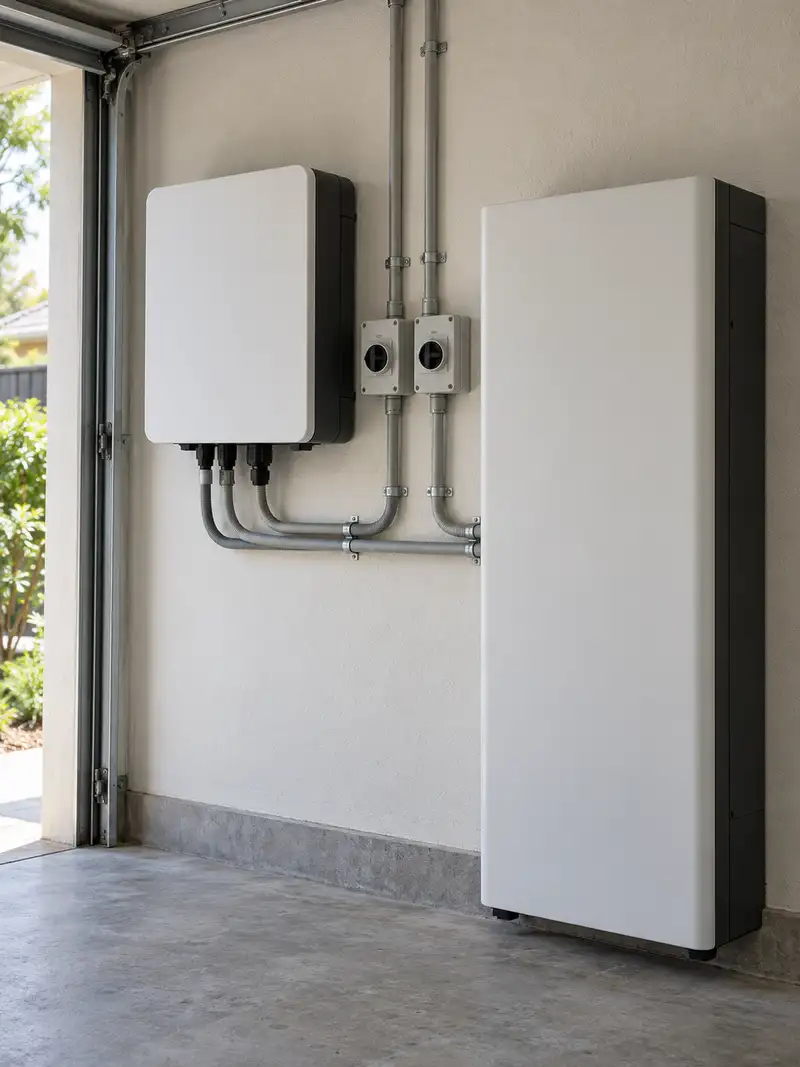
Break down design, supply, installation, battery work, maintenance and any electrical contracting outside renewable energy.
Provide the relevant business and trade credentials, locations of work and who performs regulated electrical tasks. Requirements vary by state and project.
Flag guaranteed output, liquidated damages, broad indemnities, fitness-for-purpose promises or responsibility for consultants before cover is placed.
Disclose known allegations, complaints, defects or events that could lead to a claim. Claims-made PI policies commonly require timely notification.
CASE STUDIES
Anonymised past placements from Tank's records. They are not quotes: your premium and terms depend on your work, claims history and the insurer's assessment.
Premiums and outcomes described are specific to each client and indicative only. Your own terms will depend on your circumstances and the insurer.
Technical and accreditation context checked 9 September 2026; SAA insurance evidence requirements checked 10 October 2026: Clean Energy Regulator, Solar Accreditation Australia and business.gov.au insurance guidance.
PRACTICAL QUESTIONS
SOLAR AND BATTERY INSURANCE LIBRARY
Tell us what you design, supply, install, commission and maintain. We can then identify which liability sections may be relevant and approach insurers with an accurate description of the work.