
Service and revenue split
Describe sales, design, engineering input, supply, installation, commissioning, maintenance, monitoring and project management. The proportion of design and advice can matter as much as total turnover.
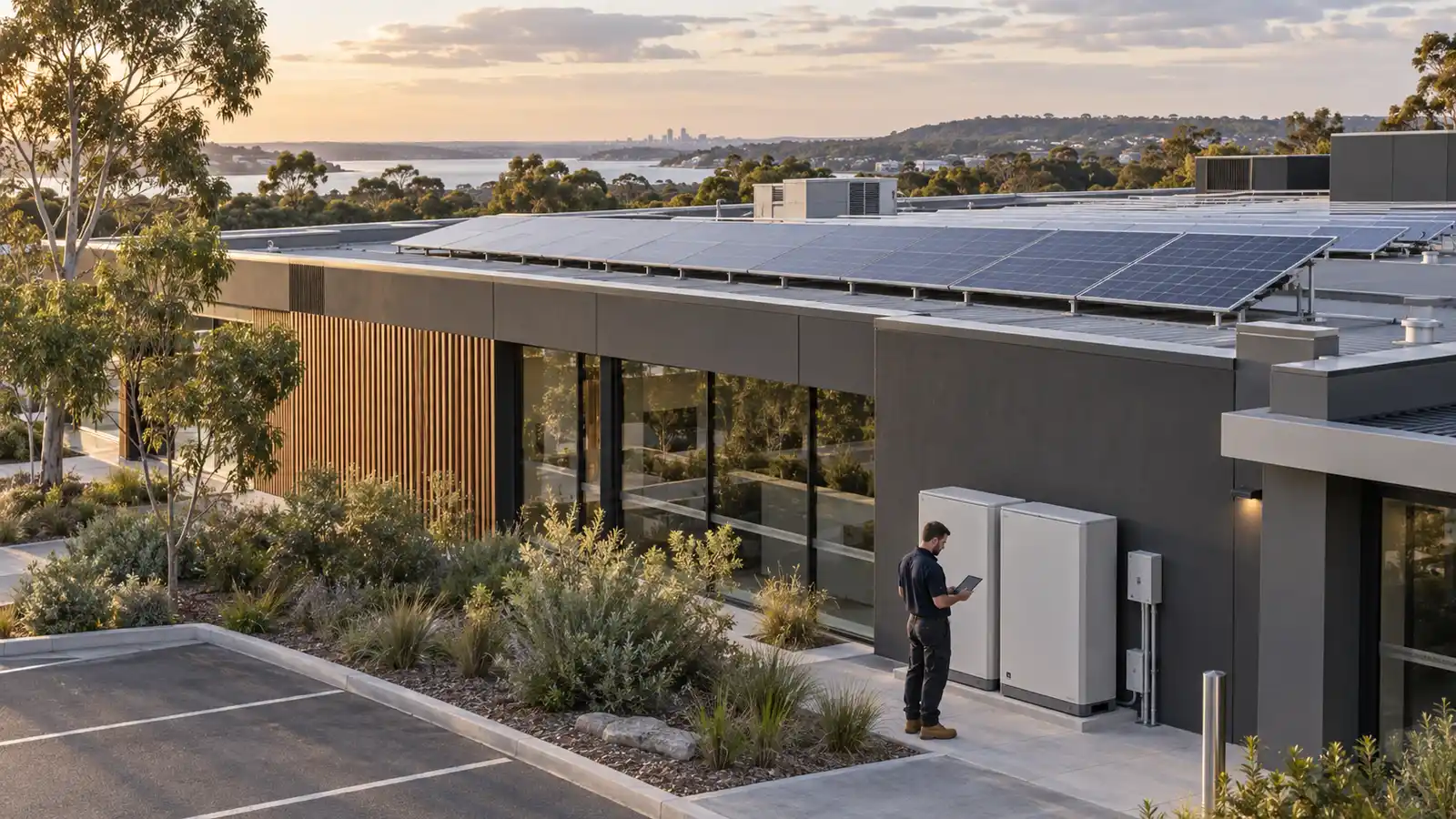
A practical guide to the underwriting inputs, limits, excesses, legal costs and policy terms behind a solar and battery insurance proposal.
PI
Professional advice
PL
Work on site
D&C
Design responsibility
Recognition

THE SHORT ANSWER
What affects solar installer insurance cost?
Cost can be influenced by the declared mix of design, supply, installation, battery work, commissioning and maintenance, as well as turnover, contracts, project profile, claims history, limits and insurer appetite. The lowest payable figure may not provide the same wording, excess or available limit as another proposal.
This guide does not provide premium ranges or a quote. Actual terms, charges and cover depend on the disclosed risk, insurer acceptance and the policy documents.
A useful starting point is to separate professional services from physical installation, then identify the contracts, sites and equipment that sit around each. Insurers may weigh these factors differently.
Describe sales, design, engineering input, supply, installation, commissioning, maintenance, monitoring and project management. The proportion of design and advice can matter as much as total turnover.
Set out the largest completed and forecast projects, residential or commercial mix, building height, access, live-site work and any off-grid or remote work.
Declare battery supply and installation, equipment types, product flow and who carries responsibility after handover. Do not assume these activities are automatically included.
Prior claims or circumstances, subcontractor arrangements, quality controls and contract promises can affect underwriting. Give the broker the actual contract terms before accepting a price.
For the distinction between allegations about professional services and site work, compare the public liability guide with the PI guide before treating two proposals as equivalent.
Check the excess for each section and whether the stated limit is per claim, in the aggregate, or subject to another shared cap. A contract requirement may use different language again.
Confirm whether defence costs are inside or outside the policy limit, and how costs are treated where an allegation includes both insured and uninsured matters.
Compare the occupation description, professional-services definition, worked-on-property treatment, products wording, height or project restrictions and contract-liability exclusions.
For claims-made PI, the retroactive date, prior-known-circumstances wording and uninterrupted cover history can be as important as the current annual price.
HOW WE ASSESS THE RISK
Tank's enquiry history includes solar businesses that combine activities such as retail, design, installation and subcontractor management, and one with a separate software activity. We separate those activities before approaching the market because occupation descriptions and underwriting outcomes can change with the mix.
This is a fact-find method, not a promise of insurer acceptance.
Retail, design, installation, commissioning, maintenance and monitoring software are listed separately.
Employees, subcontract installers or both, and how subcontractors are engaged.
The limit a contract or accreditation body asks for, checked against the work you perform.
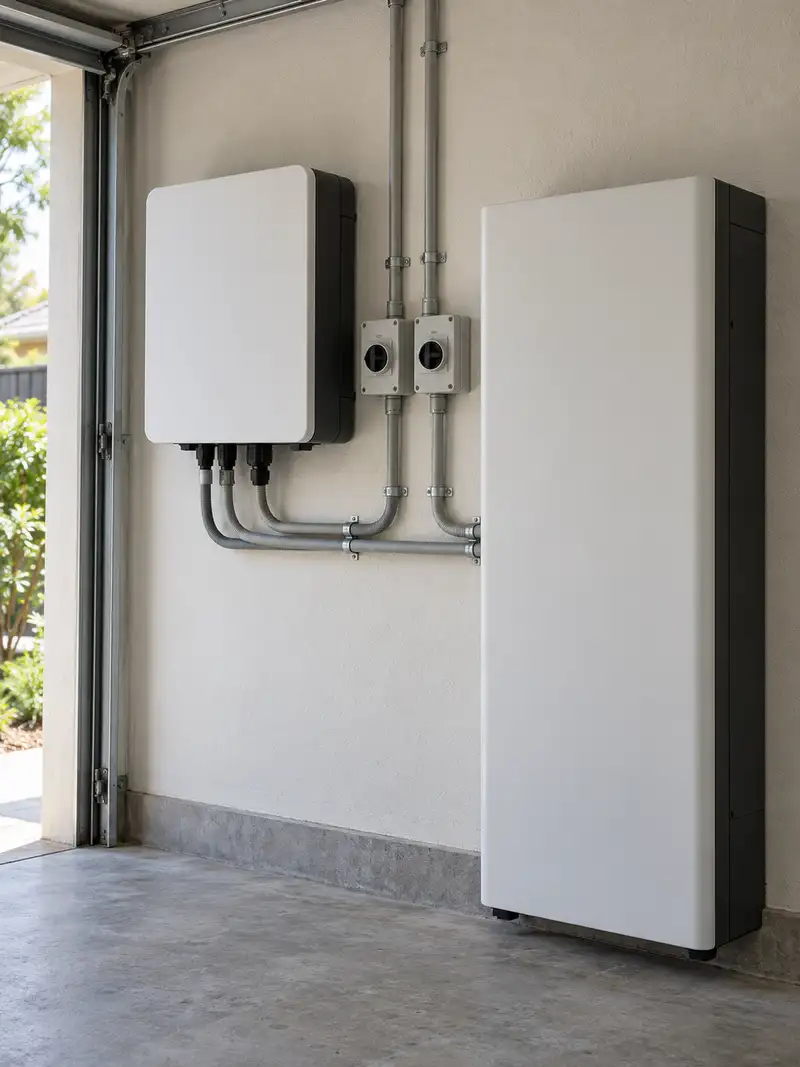
Ask for a written comparison that identifies the policy sections being quoted. If a contractor carries design responsibility alongside construction work, the solar D&C guide and our broader Design and Construct insurance guide explain why a standard trade description can be too narrow.
Confirm the insurer premium, broker fee if any, government charges and GST, plus whether an instalment or premium-funding arrangement adds separate costs.
Check the period of insurance, due date, cancellation terms and whether cover is conditional on payment or another outstanding underwriting requirement.
Read the schedule, endorsements and certificates together. The schedule should accurately record the insured entity, activities, limits, locations and any specifically declared work.
A proposal can change if turnover, projects, battery work, design responsibility, claims information or contract conditions change before inception. Tell the insurer through the broker promptly.
Technical and accreditation context checked 9 September 2026; SAA insurance evidence requirements checked 10 October 2026: Clean Energy Regulator, Solar Accreditation Australia and business.gov.au insurance guidance.
PRACTICAL QUESTIONS
SOLAR AND BATTERY INSURANCE LIBRARY
Tell us what you design, supply, install, commission and maintain. We can then identify which liability sections may be relevant and approach insurers with an accurate description of the work.