
System selection and specification
Sizing, equipment selection, layouts, electrical diagrams, protection settings and integration advice can be professional services when the contractor provides or accepts responsibility for them.
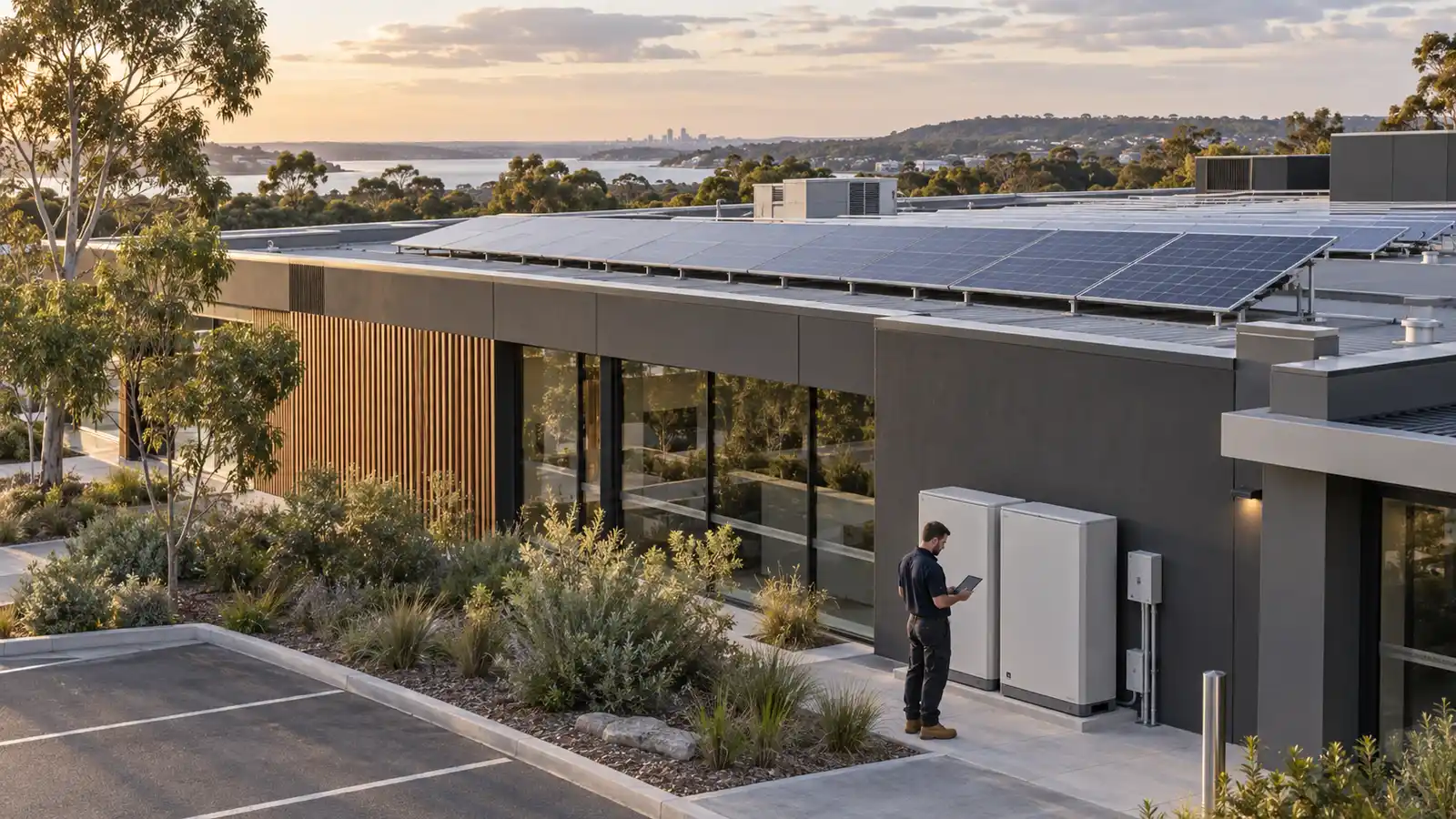
Understand the line between installation work, professional services, adopted designs and contractual responsibility before seeking D&C terms.
PI
Professional advice
PL
Work on site
D&C
Design responsibility
Recognition

THE SHORT ANSWER
When should a solar contractor consider design and construct insurance?
D&C cover may be relevant where a solar contractor performs or accepts responsibility for design, specifications, system selection, documentation, coordination or an adopted consultant design alongside construction work. It does not replace public liability for covered injury or property-damage allegations.
The appropriate structure depends on the signed contracts, actual scope, design responsibility, insurer acceptance and the policy's insuring clauses, limits, exclusions and notifications requirements.
A solar contractor that only installs to a settled third-party design may present differently from one that selects equipment, changes layouts, adopts a consultant's design or accepts responsibility for the finished design. Read this alongside our solar PI guide and the broader Design and Construct insurance guide.
Sizing, equipment selection, layouts, electrical diagrams, protection settings and integration advice can be professional services when the contractor provides or accepts responsibility for them.
Engaging an engineer or designer does not automatically remove the contractor's exposure. Explain whether the business reviews, changes, adopts or contractually stands behind that work.
Roof work, cabling, penetrations, switchboards and commissioning are physical works. The insurance submission should show how that work connects with any professional role.
Engineering services must be declared specifically; a D&C label does not automatically include every engineering discipline. Where structural, electrical or other engineering responsibility is provided, identify the qualified party and consider the relevant electrical engineer insurance requirements.
Professional indemnity or D&C wording may be relevant to a covered allegation of financial loss from declared professional services. Public liability is directed to a different category of covered third-party injury or property damage, and should not be assumed to answer a design allegation.
Site work can create allegations about third-party injury or property damage. Public liability wording, exclusions and the damaged property all need review.
A claim about advice, design, documentation or coordination can be framed as financial loss. The declared professional-services scope and PI or D&C wording matter.
Neither section should be treated as a blanket workmanship or rectification guarantee. The policy response depends on the insuring clause, exclusions and facts of the claim.
Supplying equipment or promising output can introduce products, contract and performance issues. Flag warranties, liquidated damages and fitness-for-purpose clauses before cover is placed.
HOW WE ASSESS THE RISK
Tank's enquiry history includes solar businesses that combine activities such as retail, design, installation and subcontractor management, and one with a separate software activity. We separate those activities before approaching the market because occupation descriptions and underwriting outcomes can change with the mix.
This is a fact-find method, not a promise of insurer acceptance.
Retail, design, installation, commissioning, maintenance and monitoring software are listed separately.
Employees, subcontract installers or both, and how subcontractors are engaged.
The limit a contract or accreditation body asks for, checked against the work you perform.
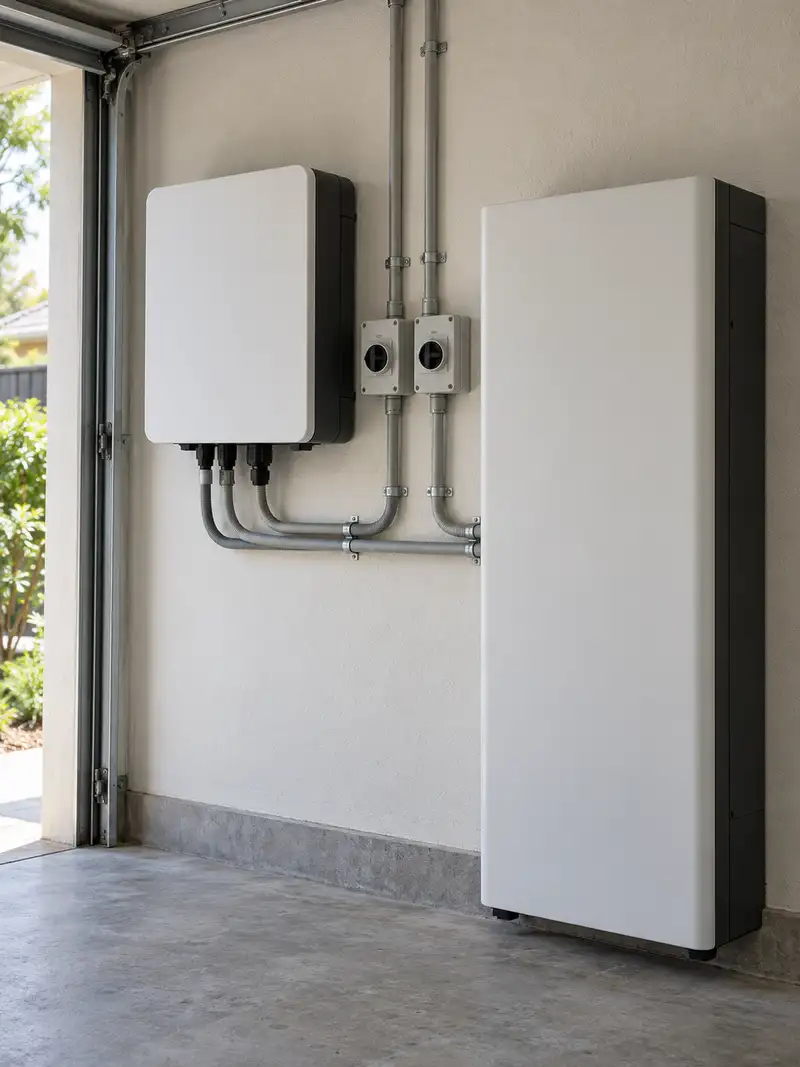
Historical solar enquiries reviewed by Tank have included a business with predominantly construction work and a smaller design component, and a contractor with both design and construction work. That is a reason to ask precise questions, not a statement of current insurer appetite or terms.
Provide customer contracts, scopes, design appointments, indemnities, performance warranties, liability caps and the entity signing each agreement.
Identify who designs, checks and signs off work; their licences, experience and qualifications; and the agreements and PI arrangements of subcontract designers.
Describe typical and maximum project values, commercial or residential work, system types, building height, battery work, locations and installation methods.
PI and D&C are commonly claims-made. Retroactive dates, continuous cover, known circumstances and run-off needs require policy-specific advice, particularly if the business changes, sells or stops professional services.
Technical and accreditation context checked 9 September 2026; SAA insurance evidence requirements checked 10 October 2026: Clean Energy Regulator, Solar Accreditation Australia and business.gov.au insurance guidance.
PRACTICAL QUESTIONS
SOLAR AND BATTERY INSURANCE LIBRARY
Tell us what you design, supply, install, commission and maintain. We can then identify which liability sections may be relevant and approach insurers with an accurate description of the work.