
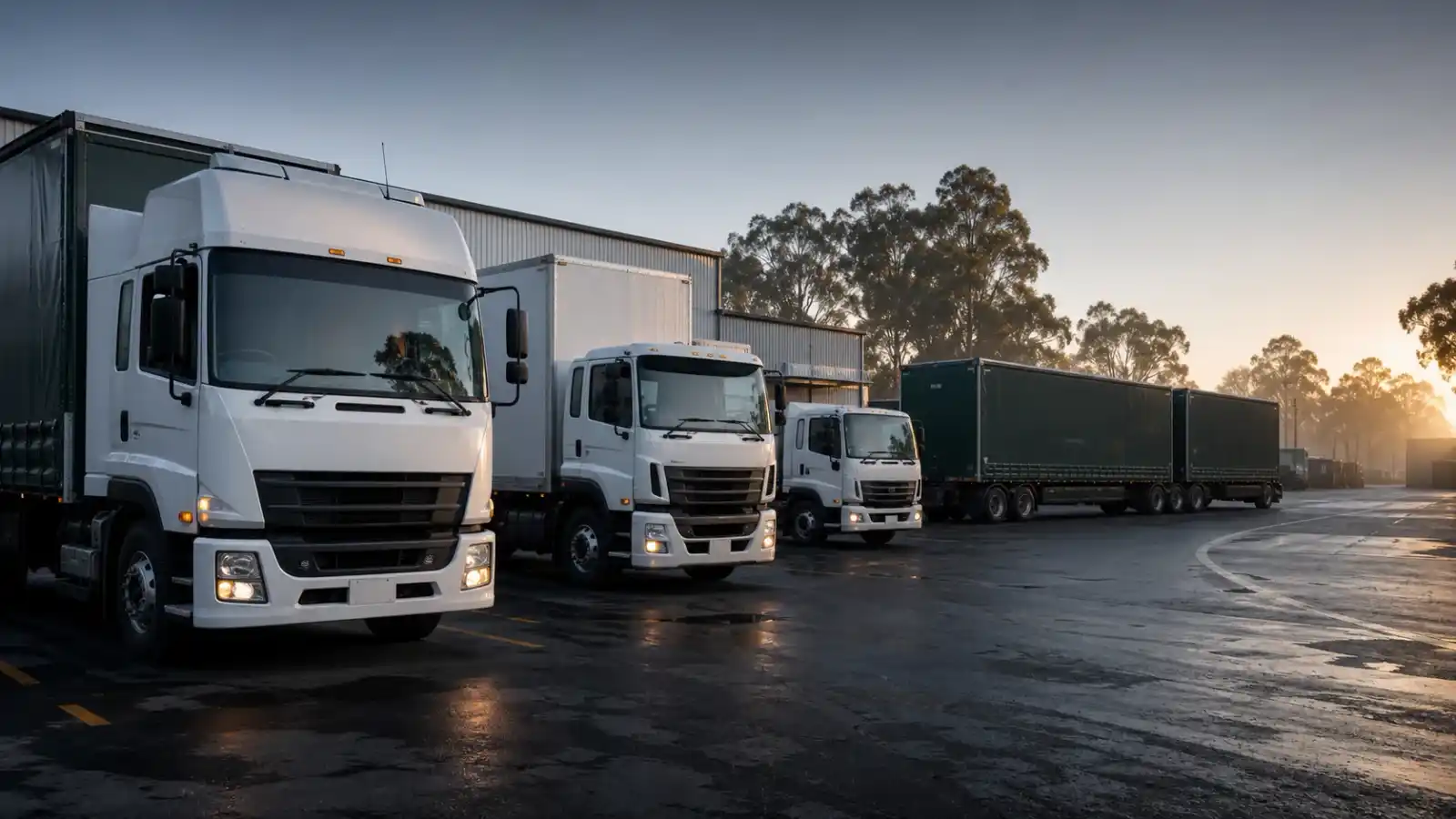
Tow Truck Insurance
Every job puts someone else's vehicle on your gear. On-hook cover is what separates a tow operator's policy from an ordinary truck policy.
Multiple
Insurers compared
AU wide
Placement and claims support
Broker
Led cover design
Recognition

Tow truck insurance can pair commercial motor cover for the tow truck or tilt tray with on-hook cover for customer vehicles carried or towed, plus separate storage or public liability arrangements where required. A standard truck policy does not automatically insure a customer's vehicle on the tray or in the yard.
Accident towing, trade towing and breakdown recovery carry different licensing rules by state and different underwriting appetite. Describe the mix accurately, including any storage yard, before comparing quotes. See the truck insurance hub for the wider cover stack.
You are insuring other people's bad days
Towing is one of the few transport occupations where the cargo is almost always someone else's vehicle, often already damaged, often loaded in a hurry beside live traffic. That creates three exposures a generic truck policy does not contemplate: the customer's vehicle on your hook or tray, your people working on the road shoulder, and the vehicles sitting in your yard overnight.
On-hook or goods-in-care cover responds when the vehicle you are carrying is damaged during loading, transit or unloading. The limit needs to reflect what you actually tow: a tilt tray that regularly moves European prestige cars or machinery carries a very different exposure to one doing suburban breakdown work.
The roadside is the other half of the risk. Recovery work happens beside moving traffic, at night, in weather, sometimes at crash scenes. That is a liability profile insurers price carefully, and one where your procedures, lighting and training records genuinely move the terms. Your public liability needs to be arranged with the roadside work disclosed, not assumed.
What tow truck insurance can cover
The truck, the vehicle on the tray and the yard are separate exposures. This is the typical split across a towing program.
Usually covered
- Accident damage, fire and theft for the tow truck or tilt tray
- Damage to customer vehicles on-hook or on the tray, where arranged
- Third-party property damage caused by your vehicle
- Loading and unloading incidents, subject to the wording
- Recovery and salvage of your own unit after an insured incident
Needs its own section
- Customer vehicles stored in your yard, unless storage cover is arranged
- Public liability for roadside operations, which sits in its own section
- Personal effects inside towed vehicles, commonly sub-limited or excluded
- Mechanical work on customer vehicles, which needs its own liability
- Workers compensation, which sits in the state scheme
Indicative only. On-hook limits, storage conditions and loading provisions differ by insurer. Read the wording before relying on any section.
Your reputation rides on their vehicle. So does the claim
Tell us your towing mix, what you carry and where it sleeps. We will match the on-hook and storage limits to reality.
Where towing operations get hurt
Three ordinary jobs, three different sections of the program under test.
Strap failure on the tray
A prestige car shifts on the tilt tray under braking and grinds a quarter panel into the headboard. The customer claims against you for repair and diminished value. This is the on-hook section's moment, and the limit set at placement decides whether it is adequate.
Struck while loading on the shoulder
A passing vehicle clips your operator's open door during a night recovery on a highway shoulder. Injury and property damage claims follow from multiple directions. Roadside procedures, lighting and traffic management records become the core of the defence.
Yard theft overnight
Two towed vehicles awaiting insurance assessment are stolen from your holding yard. Whether cover responds depends on whether storage was arranged, the security conditions in the wording, and whether the yard matches what was disclosed.
What underwriters look for
Towing submissions are priced on the work mix and the discipline around it. Expect questions on:
- The towing mix: accident, trade, breakdown, machinery and prestige, in rough proportions
- On-hook values: the typical and maximum value of vehicles you carry
- State licensing for accident towing, which varies by state and is checked
- Yard security where vehicles are stored: fencing, cameras, lighting
- Roadside procedures, training and incident history
- Driver records and claims history
Operators who can show controlled loading procedures and secure storage put themselves in a smaller, better-priced part of the market.
How Tank places this risk
A short conversation beats a long form. We build the submission so underwriters can price the risk you actually run, not the occupation label.
Describe the operation
Your trucks, the towing mix, on-hook values, the yard and history. The mix drives everything, so describe it accurately.
We approach the market
We take the risk to insurers with genuine towing appetite and match on-hook and storage limits to what you actually carry.
Compare and decide
You compare options with the differences explained: on-hook limits, storage conditions and how each wording treats loading.
Check the rules where the work is performed
Road transport and safety duties sit outside your insurance policy. These regulator sources are the starting point.
External government sources. Tank Insurance is not responsible for their content; confirm current requirements with the relevant regulator.
More truck insurance guides
Questions about tow truck insurance
On-hook cover, sometimes written as goods in care, custody or control, responds when a customer's vehicle is damaged while being loaded, carried, towed or unloaded. A standard truck policy insures your vehicle only. If your business is moving other people's vehicles, on-hook cover is the section doing the real work, and its limit should reflect the most valuable vehicles you regularly carry.
Not automatically. On-hook cover commonly ends when the vehicle leaves your truck, so vehicles held in a yard need storage cover with its own limit and security conditions. If you hold vehicles overnight, tell the broker: yards are a routine theft and damage exposure that needs to be inside the program, not assumed.
The structure is the same: your vehicle plus on-hook cover for what you carry. The differences show up in loading risk, since tilt trays winch vehicles up a ramp rather than lifting from the wheels, and in what you can carry, which may include machinery and containers as well as vehicles. Describe the tray work and the freight mix so both are underwritten.
Accident towing is regulated at state level, and several states require specific tow truck licences or accreditation with controlled job allocation. Requirements differ by state and change, so check your state regulator. Insurers ask about licensing because it defines which part of the towing market you operate in.
Premium is driven by the towing mix, on-hook values, storage exposure, radius, driver records and claims history. Accident towing at crash scenes prices differently from trade towing between dealerships. We quote from your actual mix rather than publishing averages, so the figures mean something.
Put your transport risk in front of the right markets
Tell us what you run, what it carries and where it travels. We will explain the available terms and exclusions before you decide.