
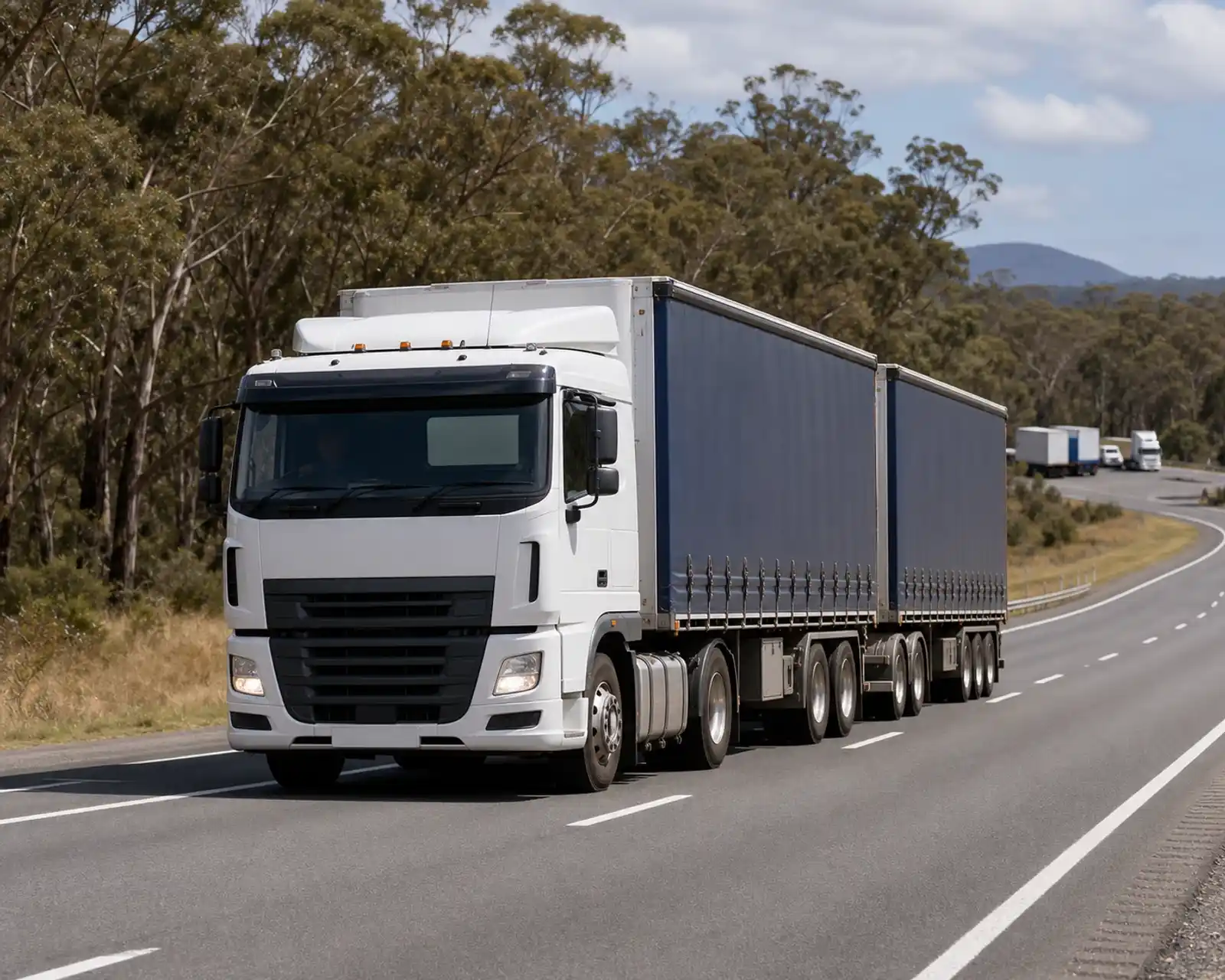
Fuel Tanker Insurance
Dangerous goods carriage is a specialist market with real entry requirements. The submission has to prove compliance before anyone talks price.
Multiple
Insurers compared
AU wide
Placement and claims support
Broker
Led cover design
Recognition

Fuel tanker insurance is commercial motor cover placed in the dangerous goods market, paired with liability cover that addresses spill, fire and pollution exposure. Fewer insurers write DG carriage, and the ones that do underwrite to the Australian Dangerous Goods Code: licensing, placarding, driver DG qualifications and equipment standards are the entry ticket, not the fine print.
Terminals, fuel companies and major sites commonly require higher liability limits and specific endorsements before a tanker is allowed through the gate. Bring the contracts to the broker early: the required limits shape the whole placement. See the truck insurance hub for the wider cover stack.
The loss profile is different in kind, not just size
Most truck accidents damage vehicles and property. A fuel tanker incident can additionally involve fire, evacuation, road closure, environmental contamination and a clean-up operation directed by authorities. That is a different category of loss, and it is why dangerous goods carriage sits with a smaller group of insurers who underwrite it deliberately.
Pollution is the exposure most easily missed in a motor-only structure. A rollover that breaches a compartment can put thousands of litres into soil and waterways, and the remediation cost can exceed the vehicle loss many times over. Where pollution cover sits, in the motor policy, the liability policy or a specific endorsement, and what triggers it, is the single most important wording question on a tanker placement.
Compliance is the price of entry. The Australian Dangerous Goods Code, state DG transport licensing, driver DG licences and equipment standards are what underwriters check first. An operator who can evidence all of it cleanly is quoting in a functioning market; one who cannot is not quoting at all.
What fuel tanker insurance can cover
The vehicle, the liability and the environmental exposure are distinct pieces. This is the typical split on a DG placement.
Usually covered
- Accident damage, fire and theft for the prime mover and tanker trailer
- Third-party property damage caused by the vehicle
- Fire and explosion exposure arising from carriage, subject to the wording
- Recovery and salvage after an insured incident
- Legal liability extensions specific to dangerous goods, where arranged
Needs its own section
- Pollution and clean-up costs, unless specifically covered or endorsed
- The cargo itself, which needs its own transit arrangement
- Loss of the fuel company's product where carried under contract
- Fines and penalties, which are generally uninsurable
- Workers compensation, which sits in the state scheme
Indicative only. Pollution triggers, sub-limits and DG endorsements differ meaningfully between insurers. On a tanker placement, the wording detail is the placement.
A tanker placement is won on paperwork before price
Tell us your classes, quantities, licensing and contracts. We build a submission the dangerous goods market takes seriously.
What a tanker loss looks like
Three incidents on the same route, escalating in the sections of the program they test.
Rollover with compartment breach
A loaded tanker leaves the road on a rural bend and a compartment breaches. Fuel enters a roadside drain feeding a creek. The vehicle loss is the small part: authorities direct the clean-up, and remediation costs run for months. Where pollution cover sits in the program decides who pays.
Spill during delivery
A hose coupling fails while discharging at a service station, releasing fuel across the forecourt and into the stormwater system. Liability, pollution and contract clauses all engage at once, and the site operator's own insurer arrives with questions.
Terminal contract requirements
A new cartage contract requires liability limits and endorsements the current program does not carry. Gate access is refused until evidence of cover is produced. Contract requirements are a placement input, not an afterthought; bringing them to the broker late costs weeks.
What underwriters look for
DG submissions are compliance audits before they are pricing exercises. Expect questions on:
- What you carry: petrol, diesel, LPG or other classes, and in what quantities
- DG transport licensing and driver dangerous goods qualifications
- Equipment: tanker age, compartment design, safety systems and maintenance
- Routes and radius, including urban, rural and remote legs
- Contracts and the liability limits they require
- Incident history, including spills that never became claims
The operators who quote well in this market are the ones whose paperwork proves the discipline their trucks run on. We build the submission to show it.
How Tank places this risk
A short conversation beats a long form. We build the submission so underwriters can price the risk you actually run, not the occupation label.
Describe the operation
Vehicles, DG classes and quantities, licensing, routes and the contracts you carry under. Compliance evidence up front.
We approach the market
We approach the insurers who genuinely write dangerous goods and put the pollution question to them explicitly.
Compare and decide
You compare options knowing where pollution cover sits, what the endorsements do and whether contract requirements are met.
Check the rules where the work is performed
Road transport and safety duties sit outside your insurance policy. These regulator sources are the starting point.
External government sources. Tank Insurance is not responsible for their content; confirm current requirements with the relevant regulator.
More truck insurance guides
Questions about fuel tanker insurance
Not automatically, and this is the most important question on a tanker placement. Pollution arising from a transport incident may be addressed in the motor policy, the liability policy or a specific endorsement, each with its own triggers and sub-limits. We put the question to insurers explicitly and show you where the cover sits before you buy, because discovering the answer after a spill is not a strategy.
Because the loss profile includes fire, evacuation and environmental contamination on top of ordinary motor risk. Insurers that write dangerous goods do it deliberately, with underwriting built around the ADG Code, licensing and equipment standards. That makes the market smaller, and it makes a complete, compliance-evidenced submission the difference between quoting and not quoting.
Cartage contracts and terminal access agreements commonly specify minimum liability limits and endorsements, and they vary by counterparty. Bring the contracts to the broker at the start: the required limits shape which insurers can even participate, and evidence of cover is usually required before gate access.
Drivers transporting dangerous goods in bulk generally require a DG driver licence issued under state regulation, alongside the appropriate heavy vehicle licence class. Requirements are set by state DG regulators under the ADG framework. Underwriters ask for the licensing detail on every driver, so keep it current and documented.
Premium reflects the DG classes carried, quantities, equipment age and standard, routes, driver qualifications, contract requirements and history. DG placements price above general freight because the exposure is different in kind. We quote from your actual profile through insurers with genuine dangerous goods appetite.
Put your transport risk in front of the right markets
Tell us what you run, what it carries and where it travels. We will explain the available terms and exclusions before you decide.