
Fleet Insurance
Once you run enough trucks, you stop buying policies and start managing a loss ratio. That changes how cover should be bought.
Multiple
Insurers compared
AU wide
Placement and claims support
Broker
Led cover design
Recognition

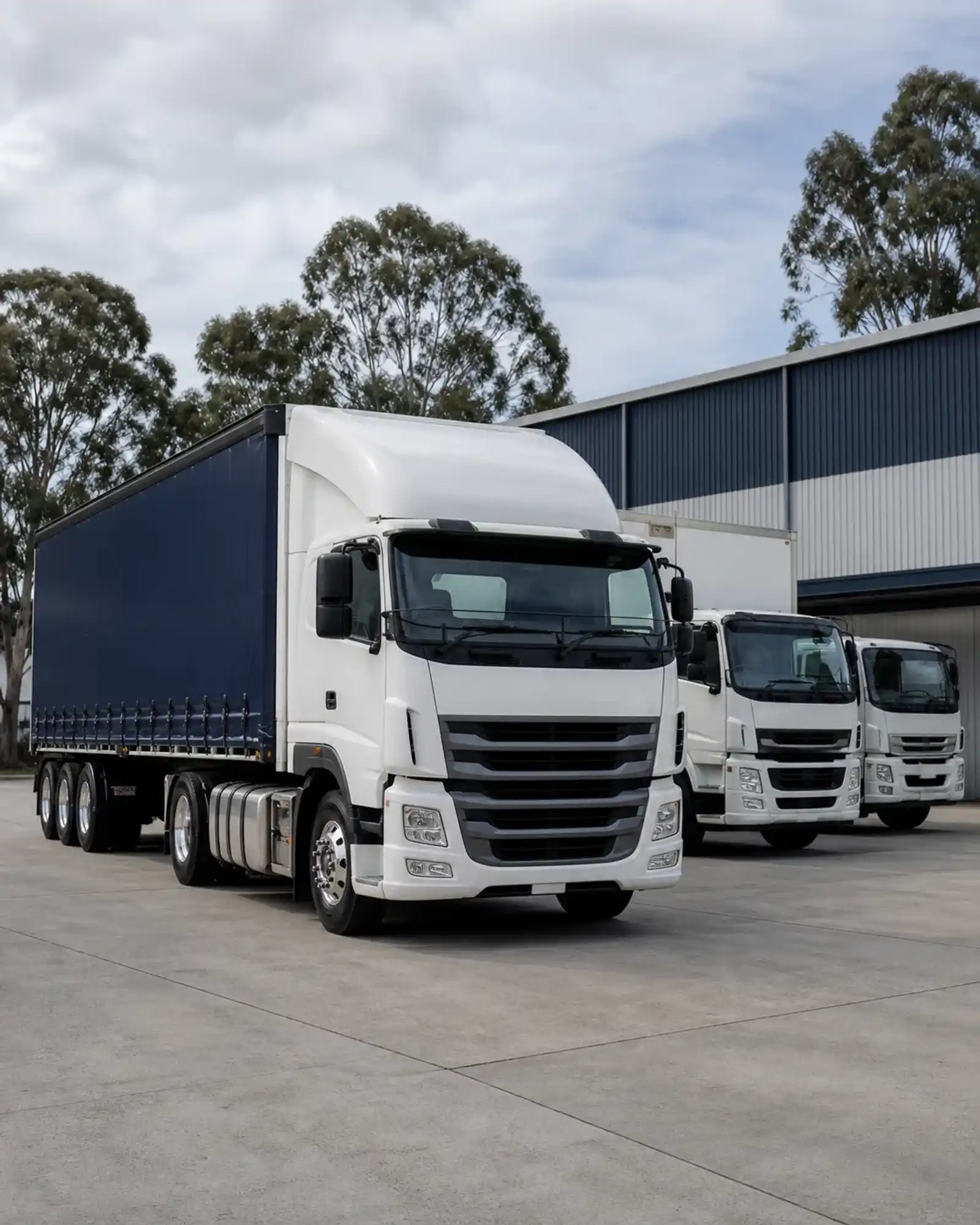
Fleet insurance can place multiple scheduled commercial vehicles under one program with one renewal date. Depending on fleet size and insurer, pricing may place more weight on the fleet's own claims experience, driver management and loss controls. Favourable performance can influence terms, but it does not guarantee a premium reduction.
This page is about commercial truck and heavy vehicle fleets. Private cars, novated leases and personal vehicles are a different product and a different market. If you run a mixed operation, we separate the two so the truck fleet is rated on its own merits. See the truck insurance hub for single-vehicle cover. For the single-truck view, the owner-driver prime mover renewal case study shows what a claim-free year and a remarketed renewal did to one truck's premium.
Fleet buying is loss-ratio management
With one or two trucks, insurance is a product you buy. With a fleet, it is a financial relationship you manage. Insurers rate established fleets substantially on their own claims experience: the premium pool you pay versus the claims you draw. That shifts the levers. Driver inductions, telematics, incident reporting discipline and repair management stop being operational niceties and start being pricing inputs.
Structure matters too. A single program with one renewal date replaces a scatter of policies expiring year-round, new vehicles are added mid-term under agreed conditions, and excess structures can be tuned: higher self-insured retentions in exchange for premium, where the balance sheet supports it.
The trap in fleet buying is composition drift. A schedule that quietly accumulates utes, cars and light commercials alongside the trucks muddies the rating and can drag the whole program into the wrong market. We keep the heavy fleet rated as a heavy fleet. If your operation is anchored by prime movers or specialist units like refrigerated trucks, that composition detail belongs in the submission.
How fleets are priced as they grow
The transition is gradual and insurer-specific, but the direction is consistent: the bigger the fleet, the more your own history is the price.
Conventionally rated
Each vehicle priced on type, value, radius and driver profile, packaged under one renewal. The fleet's claims history influences terms, but market rates still anchor the premium. The win at this size is structure: one renewal, consistent cover, clean additions.
Experience rated
Composite or burning-cost rating driven by the fleet's own loss ratio. Premium per unit responds to your claims performance, and risk management evidence moves real money. At this size, claims discipline is a profit line, and the renewal is a negotiation, not a quote.
Run the fleet like an underwriter is watching. One is
Send us the schedule and the claims history. We will show you what the market does with a fleet that manages its loss ratio.
What a fleet program can include
A fleet program is the same cover stack as a single truck, industrialised. This is the typical shape.
Usually covered
- Accident damage, fire and theft across the scheduled fleet
- Third-party property damage liability
- Automatic-addition provisions for new vehicles, where included and subject to agreed conditions
- One renewal date and consolidated claims reporting
- Downtime and hire options, where arranged
Needs its own section
- Goods in transit, which sits in its own section sized to the freight
- Public and products liability for operations beyond the vehicles
- Private cars and novated leases, which belong in a different product
- Plant and equipment not registered for road use
- Workers compensation, which sits in the state scheme
Indicative only. Automatic addition conditions, excess structures and hire benefits differ by insurer and fleet size. The program design is the product.
What underwriters look for
Fleet submissions are judged on data quality before anything else. Expect questions on:
- An accurate schedule: every unit, value, body type and use, current as of today
- Claims history across the fleet, usually several years of it, with the loss ratio it implies
- Driver management: recruitment, inductions, licence checking and incident follow-up
- Telematics and monitoring, and what you actually do with the data
- Radius, routes and freight profile across the operation
- Maintenance regime and repairer relationships
A fleet that arrives with a clean schedule and an honest loss history gets treated like the professional operation it is. That is the submission we build.
How Tank places this risk
A short conversation beats a long form. We build the submission so underwriters can price the risk you actually run, not the occupation label.
Describe the operation
The schedule, the claims history and how you manage drivers and repairs. Data quality drives everything at fleet scale.
We approach the market
We structure the program and approach fleet insurers whose appetite matches your composition and loss profile.
Compare and decide
You compare structures, not just premiums: excesses, additions, hire benefits and what next year's rating will reward.
Check the rules where the work is performed
Road transport and safety duties sit outside your insurance policy. These regulator sources are the starting point.
External government sources. Tank Insurance is not responsible for their content; confirm current requirements with the relevant regulator.
More truck insurance guides
Questions about fleet insurance
There is no universal threshold, and it differs by insurer. The practical shift is gradual: as vehicle count grows, insurers place more weight on your own claims experience and less on vehicle-by-vehicle market rates. If you are running several trucks on separate policies with scattered renewal dates, it is worth a fleet conversation regardless of where the formal thresholds sit.
It can be, but price depends on claims performance, fleet composition, insurer appetite and the selected structure. A fleet's loss ratio and risk controls can influence terms, but do not guarantee a saving. Consolidated renewals, addition provisions and negotiated excesses also vary by policy. We compare the available structures before making a general recommendation.
Some fleet programs include automatic-addition provisions for newly acquired vehicles, subject to notification periods, value limits and other conditions. Do not assume a new vehicle is covered: check the clause, notify the broker promptly and keep the schedule accurate.
Mixed schedules are possible, but heavy vehicles and light vehicles are rated differently and sometimes belong in different markets. Letting cars and utes drift into a truck fleet program can muddy the rating for both. We commonly separate the heavy fleet from light commercial and private vehicles so each is priced on its own merits.
A rating approach for larger fleets where the premium is substantially calculated from the fleet's own historical claims cost, plus insurer margins and loadings, rather than from standard market rates. It makes your claims performance the main driver of price, which is exactly why claims discipline and risk management pay for themselves at fleet scale.
Put your transport risk in front of the right markets
Tell us what you run, what it carries and where it travels. We will explain the available terms and exclusions before you decide.