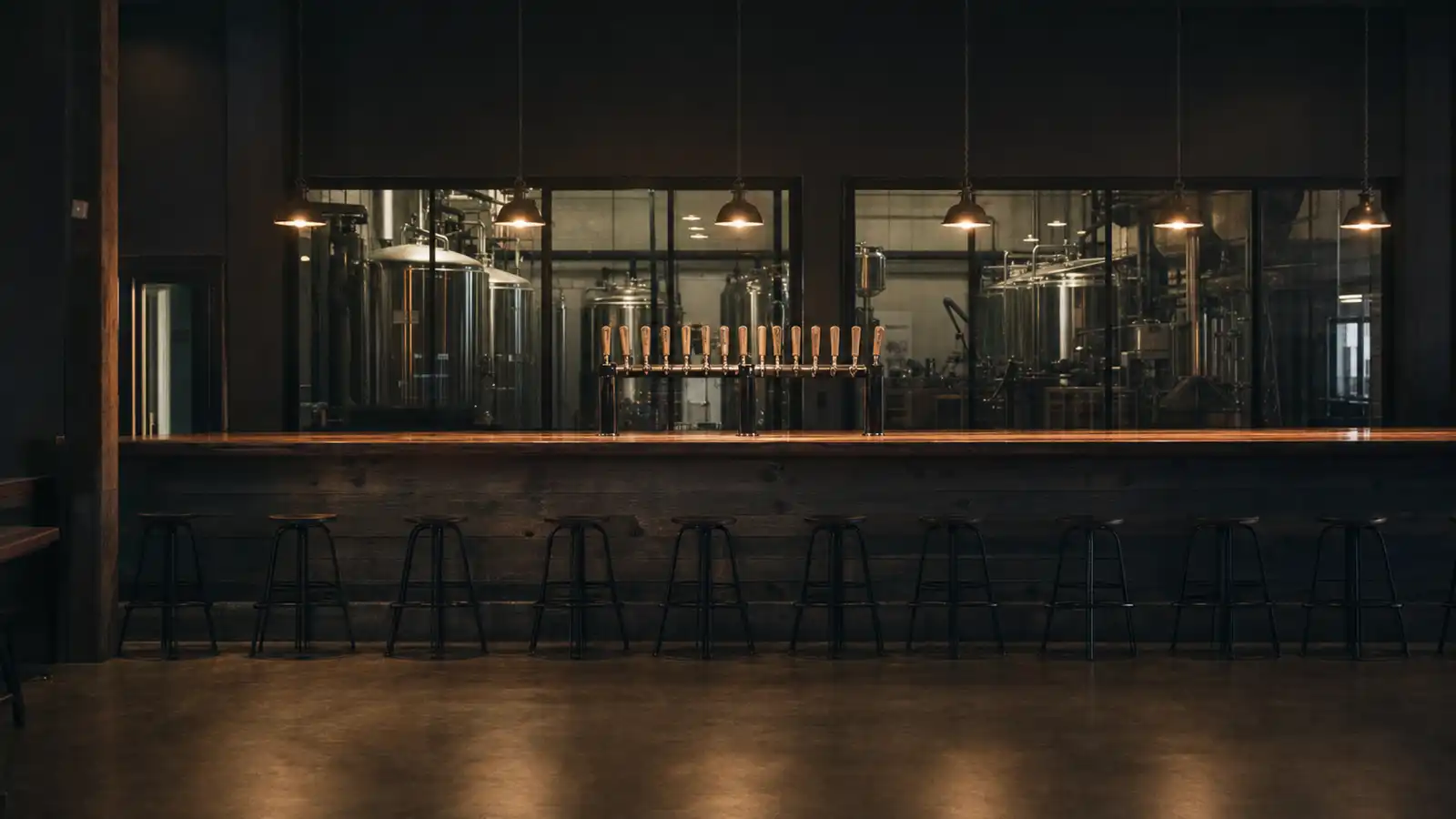
What the brewery controls. The brewery runs the site: its equipment, its safety rules, its staff and its beer. Injuries caused by the state of its premises or its product are a matter for the brewery and its insurer. Where your guests go and how your guide manages them is still your responsibility, so agree a route, closed-shoe rules and no-go areas with each brewery before you bring a group.
Why the underwriter asks how close guests get. Pressure vessels, hot liquor, CO2 and moving forklifts are ordinary parts of brewing, and they are why a tour inside the brewhouse is a different risk from a taproom tasting. Work health and safety law treats some of these events as notifiable even when nobody is hurt: an uncontrolled escape of gas or steam, or an explosion or fire, that exposes a worker or any other person to a serious risk is a dangerous incident under the model laws, and the regulator must be told immediately. A 2022 still explosion at a Victorian winery distillery, described in the real incidents section below, shows how production equipment can injure guests and staff together.
Contracts with the brewery. If a brewery asks you to sign an agreement before it hosts your groups, read it for two things: an indemnity in the brewery's favour, and any release of your right to recover from it. On at least one specialist tour operator wording we place, liability you take on only because of a contract can be covered only to the extent you'd have been liable anyway, and waiving recovery rights without the insurer's consent can remove cover. Send it to us before you sign so we can check how it sits with your insurance, and have your lawyer review the contract.
Beer on the bus: the liquor rules (as at October 2026). Where each brewery pours under its own licence, the licence obligations sit with the brewery. If your tour supplies beer itself, the answer depends on the state. Queensland exempts a sale by a tour operator to an adult on a tour booked with that operator, capped at 2 standard drinks per person per day and not in restricted areas or restricted hours (Liquor Act 1992 s 14B(1)(k)). Western Australia has two rules: complimentary supply by an accredited tourism business whose server has approved RSA training, away from licensed premises, roads and restricted areas and with the occupier's consent (Liquor Control Regulations 1989 reg 8CA), and consumption by adult passengers in an on-demand charter vehicle that seats no more than 14 adult passengers, is hired for at least one continuous hour and is booked before the journey (reg 8F). The ACT exempts a tour business serving no more than 12 adults, 2 standard drinks each, at no charge (Liquor Act 2010 s 8A(3)(e)). NSW has no exemption, only a tour authorisation on an on-premises licence (Liquor Regulation 2018 cl 46), and drinks bundled into a ticket price count as a sale. Victoria, South Australia, Tasmania and the Northern Territory list no tour exemption. The state-by-state table is in food and alcohol on tours.