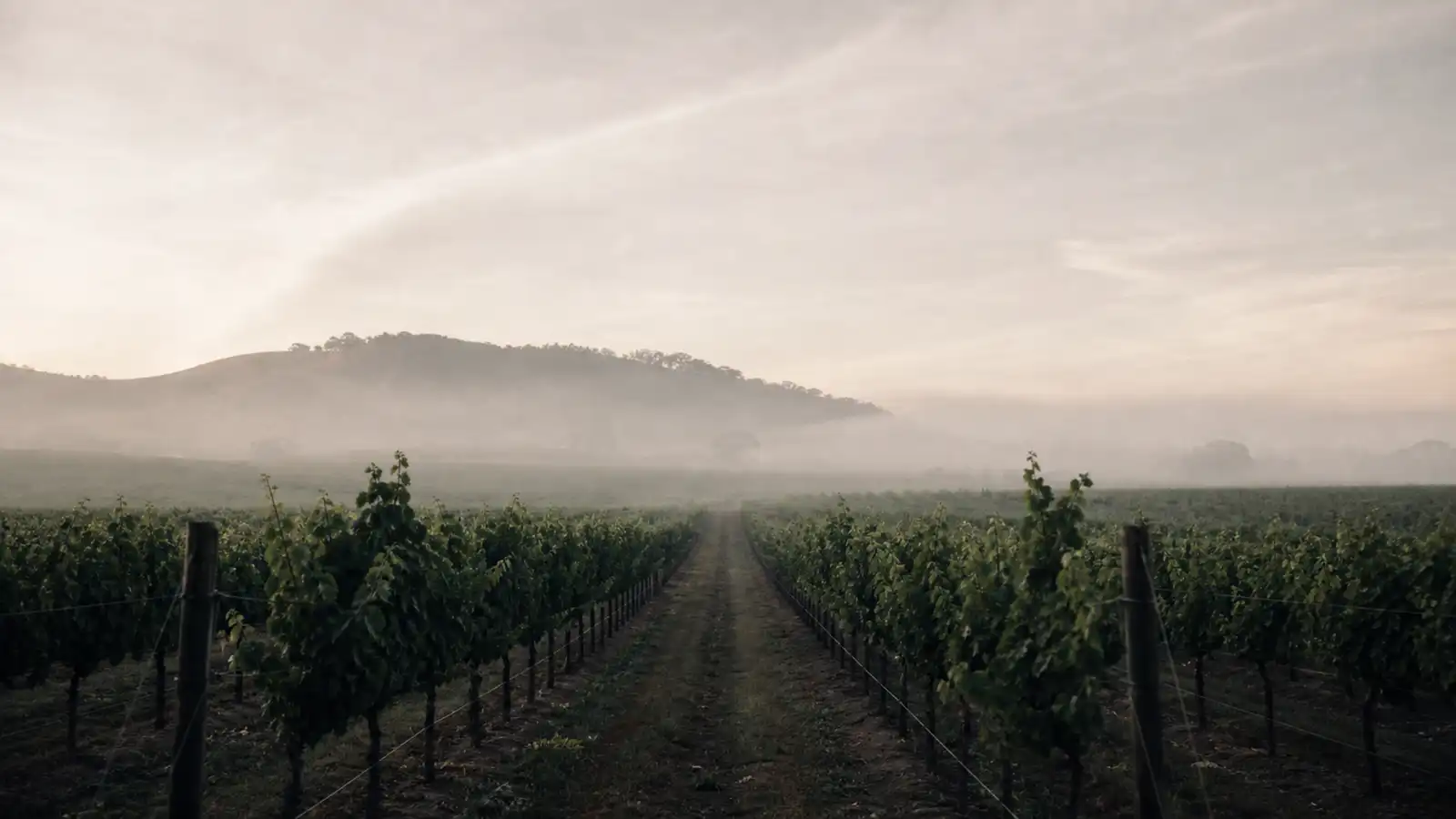
Vineyard and farmland on the edge of a regional Australian town, regional Australia tour operator insurance

TOUR OPERATOR INSURANCE

Regional Australia Tour Insurance

A shearing shed in the morning, lunch at a country pub, an afternoon at a family farm gate. Here is how cover works when your tour depends on small regional businesses and long country roads.

$20MPublic liability limit available
PI + PLProfessional indemnity and public liability, together or on separate policies
Farm gatesPrivate farms and small suppliers the underwriter will ask about

Premiums and outcomes described are specific to this client and indicative only. Your own terms will depend on your circumstances and the insurer.

THE SHORT ANSWER

What insurance does a regional Australia tour operator need?

A regional tour operator generally needs public liability for injury to guests and damage to property on farms, in country towns and at small venues, plus professional indemnity for itinerary and booking errors. Regional tours lean on small suppliers: a family farm, a country pub, a local guide, a bus company from the next town. On at least one specialist tour operator wording we place, you must take reasonable steps to make sure each Australian contractor you engage holds at least $10 million liability, with their certificate at the start and every year. Farm extras are where cover gets tested. Quad bike rides, horse riding and hunting are excluded on that wording, and animal contact raises disease questions. Injury caused by vehicles, including in wildlife strikes, is excluded from public liability, and in a fault-based CTP state a strike nobody caused may leave a gap.

Distance matters too. At least one wording we place can pay necessary expenses of immediate emergency medical assistance to an injured guest where you may be liable, as part of its costs cover. General information only. It doesn't take into account your objectives, financial situation or needs, and it isn't legal advice.

Core covers
Public liability and PI, together or on separate policies
Contractor minimum
$10 million for Australian suppliers, on one wording we place
Farm extras
Quad bikes, horse riding and hunting excluded on one wording we place
Watch for
Animal contact, wildlife on roads, distance to hospital
01

A fall at a farm gate

Uneven ground in a shearing shed, a gate latch, a muddy yard after rain. The farm has its own responsibilities, but if your guide led the group somewhere unsafe or ignored a warning from the farmer, the claim can reach your public liability.

02

Illness after animal contact

Guests feed lambs or pat calves, then eat morning tea without washing their hands. Illness from a communicable or notifiable disease can be excluded on at least one wording we place, so hand-washing stations and a briefing matter more than the paperwork.

03

A kangaroo on the road at dusk

Your minibus hits a kangaroo on a country road at dusk and a guest is hurt. The tour operator policies we arrange generally exclude injury caused by a registered vehicle from public liability. Where a state's CTP scheme turns on fault, a strike nobody caused may leave the guest without a CTP claim, and damage to the vehicle is a commercial motor matter. Planning drives to avoid dawn and dusk is a sensible risk control to describe to the underwriter.

04

A small supplier without insurance

The country pub, the farm hosting lunch or the local guide you booked hasn't renewed its cover. If a guest is hurt through that supplier's conduct, the claim can land on you, and at least one wording we place expects you to have checked their certificate.

05

An hour from the nearest hospital

A guest has a bad fall on a farm walk and the nearest hospital is an hour away. What your guide does in that hour matters: first aid, calling for help and keeping the rest of the group safe. At least one wording we place can pay for immediate emergency medical assistance where you may be liable.

06

A show day or field day

The group visits a local show, a field day or a market day. Crowds, livestock, machinery displays and temporary stalls change the risk from a quiet farm visit. Tell the underwriter if events like these are part of your tours.

SituationCover that may respondWhat to know
Guest injured on a farm, at a shearing shed or in a country pub during the tourPublic liability can respondCan respond to your legal liability, subject to the wording, the schedule and the underwriter's assessment. The farm or venue may respond under its own cover where its premises were at fault.
Guest injured through a small supplier you engagedPublic liability can respond to your own liabilityThe supplier isn't insured by your policy. You must take reasonable steps to make sure Australian contractors hold at least $10 million liability, checked at the start and every year. This is the minimum on the schedule we hold; yours may differ.
Guest falls ill after animal contact or farm food you suppliedProducts liability can respond for food you supply, subject to the disease exclusionsCommunicable and notifiable diseases can be excluded. An allergic reaction isn't a disease, but how a claim is treated still depends on the wording, so raise it with the underwriter.
Wildlife strike or crash on a country roadCTP, depending on the state's rules, and commercial motorInjury caused by a registered vehicle is excluded from public liability. Queensland, WA and SA schemes are fault-based, so an injury nobody caused can fall between the two.
First response for an injured guest far from hospitalPublic liability costs extension may respondImmediate emergency medical assistance to an injured guest can be paid where you may be liable, within the costs cap.
Quad bike ride or horse ride at a farm stayExcluded on at least one wording we placeMotorcycles, ATVs, horse riding and other equine tours are excluded. Needs a different market.
General information only. Cover depends on the policy wording, the schedule and the underwriter's assessment, and wordings differ between insurers. Limits, excesses and terms on your own schedule may differ.
  1. Which regions you operate in, and the towns, farms and venues on a typical tour
  2. Whether guests handle or feed animals, and what hygiene arrangements the farm has
  3. How you collect certificates of insurance from farms, venues, local guides and bus companies
  4. Any farm activities: quad bike rides, horse riding, shearing or working dog demonstrations, tractor and trailer rides
  5. Vehicles: your own minibus or a chartered coach, and your policy on driving at dawn and dusk
  6. Distance to the nearest hospital, first aid training and communication equipment
  7. Food you supply, such as farm lunches or picnic hampers, and who prepares it
  8. Annual revenue, guest numbers and any claims or incidents

Quad bikes and farm motorbikes

Motorcycles and ATVs are excluded on at least one endorsement we place. A quad bike ride around the property needs a different market.

Horse riding and trail rides

On at least one wording we place, horse riding and other equine tours are excluded. A trail ride through the hills needs a different market.

Hunting and working holidays

On at least one wording we place, hunting is excluded, and so are working holidays on ranches or lodges. A farm stay where guests help with the work needs careful wording and the underwriter's view.

Tractor and trailer rides

A hay ride behind a tractor is a vehicle activity. Tell the underwriter, because the vehicle exclusion can apply, and check the farm's own cover for the machinery.

At least one specialist tour operator wording we place excludes injury from a list of adventure activities, including horse riding, e-bikes and Segways, surfing and scuba diving, and white water rafting. See the adventure activities excluded on one wording we place, grouped, and check the endorsement on your own schedule.

Why their certificate matters to you. Your policy can respond to your legal liability arising from what the contractors, consultants and agents you engage do, subject to the wording. It doesn't insure them. If a farm host's gate gives way or a local bus company's driver causes an injury, the guest can bring a claim against anyone involved, including the business that sold the tour. At least one wording we place requires you to take reasonable steps to confirm Australian contractors hold at least $10 million liability: a certificate at the start and every year. Our guide to contract guides, coach companies and suppliers lists what to collect. If a tour enters a national park, see national park and council permit insurance requirements as well.

Checking transport providers. Driver and vehicle checks are part of choosing a supplier, not just paperwork. In June 2023 a charter coach carrying wedding guests crashed at a roundabout at Greta in the Hunter Valley, and 10 people died. In August 2026 the coach operator was fined $650,000 after guilty pleas to heavy vehicle safety breaches covering speeding, fatigue management and employing a drug-impaired driver, the ABC reported. The tour operator policies we arrange generally exclude injury caused by a registered vehicle from public liability, and whether the state's motor accident scheme responds depends on its rules. The checks you made on a coach operator are evidence of your own care. If you drive guests yourself, the rules depend on the state and the size of the vehicle. In NSW, a vehicle with 12 seats or fewer including the driver comes under point to point transport law, and 13 seats or more comes under bus operator accreditation. In Victoria, a vehicle with 10 or more seating positions including the driver is a bus. See vehicles and passenger liability.

Farms and animal contact. Farms have their own responsibilities to visitors, and their own insurance to check. Animal contact brings a disease risk: in 2013, at least 12 people, mostly children, fell ill after visiting the farm-animal area at Brisbane's Ekka, and four tested positive for a toxin-producing strain of E. coli, according to Food Safety News. Shiga toxin-producing E. coli is on Australia's national notifiable disease list, and communicable and notifiable diseases can be excluded on at least one wording we place. So hand-washing, supervision and a clear briefing are your main protection.

Farm lunches and a glass of local wine. Food you supply can be treated as a product on the tour operator policies we arrange. For food that doesn't need a label, such as a farm lunch or picnic hamper, the food standards regulator says allergen declarations must be displayed with the food or given to the buyer on request. Alcohol is a state question. NSW, Victoria, South Australia, Tasmania and the NT have no liquor exemption for tours, so where your tour supplies the wine, check the licence position first. Queensland exempts a tour operator's sale of up to two standard drinks per guest a day on a tour booked with that operator. Where a country pub or cellar door pours under its own liquor licence, the service is theirs. More in food and alcohol on tours.

Who asksWhat they ask forWhat to know
Quality Tourism AccreditationCurrent public liability of at least $10 million, with a certificate of currency. If you hold less, a written explanation is required.The standards also ask for a risk management statement, documented emergency procedures, an incident report form and at least one staff member trained in first aid during operations.
State park agencies, where a tour enters a national park or reserve$10 million in NSW, WA and SA parks. $20 million in Victorian, Queensland, Tasmanian and NT parks, and for commercial use of ACT public land.Several prescribe the wording on the certificate. The full table by state is on our Australia tour insurance page.
Victorian government schools (farm and regional excursions)A current public liability certificate of at least $10 million from an APRA approved insurer, and Working with Children Checks for provider adults in direct contact with students.Schools are told to refuse waivers where a provider seeks to absolve itself of negligence.
WA public schools (excursions)$20 million public liability and, if appropriate, $5 million professional liability.Staff must not sign waivers, indemnities or disclaimers that absolve a provider from its own negligence. Check the PI limit on your schedule against what the school asks for.
ViatorValid public liability insurance as a mandatory baseline under its August 2026 supplier agreement.Viator sets the minimum by activity risk and destination and publishes no dollar figure. Expired documents freeze new sales.
Published requirements as at October 2026. Confirm the current figure with the authority or platform before you rely on it. Some authorities also require an APRA-authorised insurer or exact certificate wording, so confirm with us how the certificate will satisfy each.

Charter coach crash at Greta, Hunter Valley (2023, operator sentenced 2026)

About 11.30pm on 11 June 2023 a charter coach carrying 35 wedding guests crashed at a roundabout at Greta, NSW. Ten people died and 25 were injured. On 26 August 2026 the coach operator was fined $650,000 and two directors $12,000 each, after guilty pleas to heavy vehicle safety breaches covering speeding, fatigue management and employing a drug-impaired driver, the ABC reported. The report said the only reference check on the driver was by text message.

The insurance lesson. The tour operator policies we arrange generally exclude injury caused by a registered vehicle from public liability, and whether the motor accident scheme responds depends on the state's rules. A regional tour that charters a local bus company carries its own exposure in how it chose that company. Collect the certificate showing at least $10 million liability, as at least one wording we place requires, and ask how the company checks drivers' references and fitness for duty and how it manages fatigue.

Source: ABC News, 26 August 2026: coach operator and directors sentenced

Still explosion during a hands-on distilling experience, Rutherglen (2022)

On 9 April 2022, during a booked gin-making experience at a winery distillery at Rutherglen, a 330-litre still exploded when its heating elements were switched on without being fully covered by liquid and ethanol vapour ignited. Nine people were hurt, two staff and seven guests, with burns and other injuries. In October 2024 the company pleaded guilty to WorkSafe Victoria charges and was fined $50,000 without conviction plus costs, the Border Mail reported. No tour operator was involved: the experience was run by the winery itself.

The insurance lesson. Once guests take part in production, the venue's public liability and the tour operator's can both be in play. The tour operator policies we arrange can respond to your liability for a contractor's conduct, subject to the wording, but don't insure the venue, so hold the venue's certificate showing at least $10 million and ask what written operating procedure covers the experience.

Source: The Border Mail: Rutherglen winery fined over gin distillery explosion

Illness after animal contact, Ekka, Brisbane (2013)

In August 2013 at least 12 people, mostly children, fell ill after visiting the farm-animal petting area at the Ekka in Brisbane, Food Safety News reported. Four tested positive for Shiga toxin-producing E. coli and one man was hospitalised. It was a health investigation into visitors to a show's animal nursery, not a tour group, and no litigation was found.

The insurance lesson. Animal contact brings a disease exposure for a venue, and would for a tour operator that takes guests to a similar venue. Communicable and notifiable diseases can be excluded on at least one wording we place, and Shiga toxin-producing E. coli is nationally notifiable, so don't assume an illness like this is insured. The controls are practical: hand-washing stations at the exit, no eating in animal areas, and a guide who makes sure both happen.

Source: Food Safety News, August 2013: E. coli outbreak at Australian petting zoo

Wash hands before anyone eats

On any visit with animal contact, check the farm has hand-washing with soap and running water at the exit from the animal area, and take guests there before morning tea or lunch. Keep food and drink out of animal areas, and watch children closely. Brief guests on this before they get off the bus.

A certificate register for small suppliers

Keep a list of every farm, pub, local guide and bus company you engage, with the insurer, limit and expiry date. At least one wording we place requires at least $10 million for Australian contractors, checked at the start and every year. At least one published Australian tour operator proposal form asks whether you have a system to check this.

Carrier checks that go past the certificate

Ask a bus company for its accreditation in its state, how it checks drivers' references and fitness for duty, and how it manages fatigue on long days. The Hunter Valley sentencing covered those points. Keep the answers on file.

A written procedure for hands-on experiences

Where guests operate equipment or join in production, such as distilling, shearing or machinery demonstrations, ask the venue for its written operating procedure and who is trained to run it. If the usual person is away, ask who stands in and what they have been given.

First aid and communication for the distance

Safe Work Australia's model first aid code says that where travel time, poor roads or weather make access difficult, arrangements should include aerial evacuation, and that where timely access to emergency services can't be assured, more advanced first aid training should be considered. An hour from hospital, that points to a current first aid qualification from a registered training organisation, and remote first aid training where you operate away from help, a stocked kit, and a device that works out of mobile range.

Allergens and incident records

Give guests a way to tell you about food allergies before the tour, and pass what they disclose to whoever prepares the farm lunch. For food that doesn't need a label, allergen declarations must be displayed with the food or given on request. Log every injury, illness and near miss on the day, and notify the work health and safety regulator immediately of a death or serious injury arising from your work.

We've found tour operator public liability hard to place on its own in the past, and PI and public liability often had to be split across insurers. We approach several specialist insurers and underwriting agencies. Some write PI and public liability together, others write one or the other, and we put the cover together to suit the tours you run, for tour operators and for travel agents that run their own tours, subject to each insurer's assessment.

We don't publish a separate price for regional australia tours. As a general guide, across the tour types the markets we approach are set up to quote, subject to each insurer's assessment, combined PI and public liability for a small tour operator costs approximately $1,200 to $1,800 a year including fees. As at October 2026. Your price depends on the activities, destinations, revenue, limits and claims history, and it can fall outside that range. It is not a quote. See what drives the premium.

A placement from September 2026. A new NSW-based cultural tour operator designs immersive programs for groups visiting Australia and for Australian groups visiting Asia, with local tour companies running the coaches and accommodation. It needed a certificate of currency urgently. Result: $20 million public liability and $1 million professional indemnity on one combined policy, worldwide territory excluding US jurisdiction, placed the same week on that occasion at approximately $1,850 including fees. This is one past placement, not a quote. Your price and terms depend on your risk. Read the case study.

Sources referred to on this page

FREQUENTLY ASKED QUESTIONS

Regional Australia Tour Insurance FAQs

Yes, for the ones you engage. Under at least one specialist wording we place, you must take reasonable steps to make sure contractors, consultants and agents in Australia hold at least $10 million liability. That means getting a certificate of insurance when you start working with them and every year after. Keep them on file, because they're your evidence if a guest is hurt through a supplier's conduct.
Public liability can respond to your legal liability for injury to guests, subject to the wording, the schedule and the underwriter's assessment. If the farm's premises caused the injury, the farm's own cover may respond instead of yours or as well. What matters for you is how your guide ran the visit: the route, the warnings, and whether guests were kept away from machinery and livestock they shouldn't be near.
Insurers treat this differently. At least one specialist tour operator wording we place excludes motorcycles, ATVs, horse riding and other equine tours through its tour operator endorsement. If a farm stay on your itinerary includes them, tell us before you bind, so we can look at a different market for that activity rather than leave a gap.
Generally not. The tour operator policies we arrange generally exclude injury caused by a registered vehicle from public liability. It is a matter for the state's CTP scheme, and some schemes respond only where a driver was at fault, so a strike nobody caused may leave a gap. Damage to your bus needs commercial motor cover. Public liability can respond to incidents off the road, such as a guest falling at a roadside stop or at a farm gate.
Get help first. At least one wording we place can pay necessary expenses of immediate emergency medical assistance to an injured guest where you may be liable, as part of its costs cover. Don't admit fault or offer compensation on the spot, because doing that without the insurer's consent can put cover at risk. Report the incident as soon as you can.
We don't publish a separate price for regional Australia tour insurance. As a general guide, combined professional indemnity and public liability for a small tour operator costs approximately $1,200 to $1,800 a year including fees, as at October 2026, and it can fall outside that range. Farm activities, vehicles, your guest numbers, your revenue, your limits and your claims history all move the price, and your vehicle cover is priced separately. It is not a quote.
It depends on the state and the size of the vehicle. In NSW, a vehicle with 12 seats or fewer including the driver comes under point to point transport law, and booked tourist transport needs booking service provider authorisation. With 13 seats or more, you need bus operator accreditation. In Victoria, a vehicle with 10 or more seating positions including the driver is a bus, and tour and charter bus operators need accreditation. Check with the transport regulator in each state you drive in.
It depends on the state. NSW, Victoria, South Australia, Tasmania and the NT have no liquor exemption for tours, and in NSW drinks included in a package price need a licence. Queensland exempts a tour operator's sale of up to two standard drinks per guest a day on a tour booked with that operator, outside restricted areas and hours. WA and the ACT exempt complimentary drinks on narrow conditions. Check with the state liquor regulator before you pour.

QUOTE REQUEST

Get a Regional Australia Tour Insurance Quote

Tell us the tours you run, where they go, group sizes, who supplies transport and venues, your annual revenue, and the limit you need on your certificate.

Specialist broker review Australian business insurance
Tour itinerary and client planning notes on a desk, tour operator insurance arranged with Tank

PI and Public Liability for Your Tours

Send us your tour descriptions and itinerary, and we will take them to the specialist markets that write tour operators and come back to you with the options available.

Last updated: 01/10/2026

Call Us Now +61 2 9000 1155