
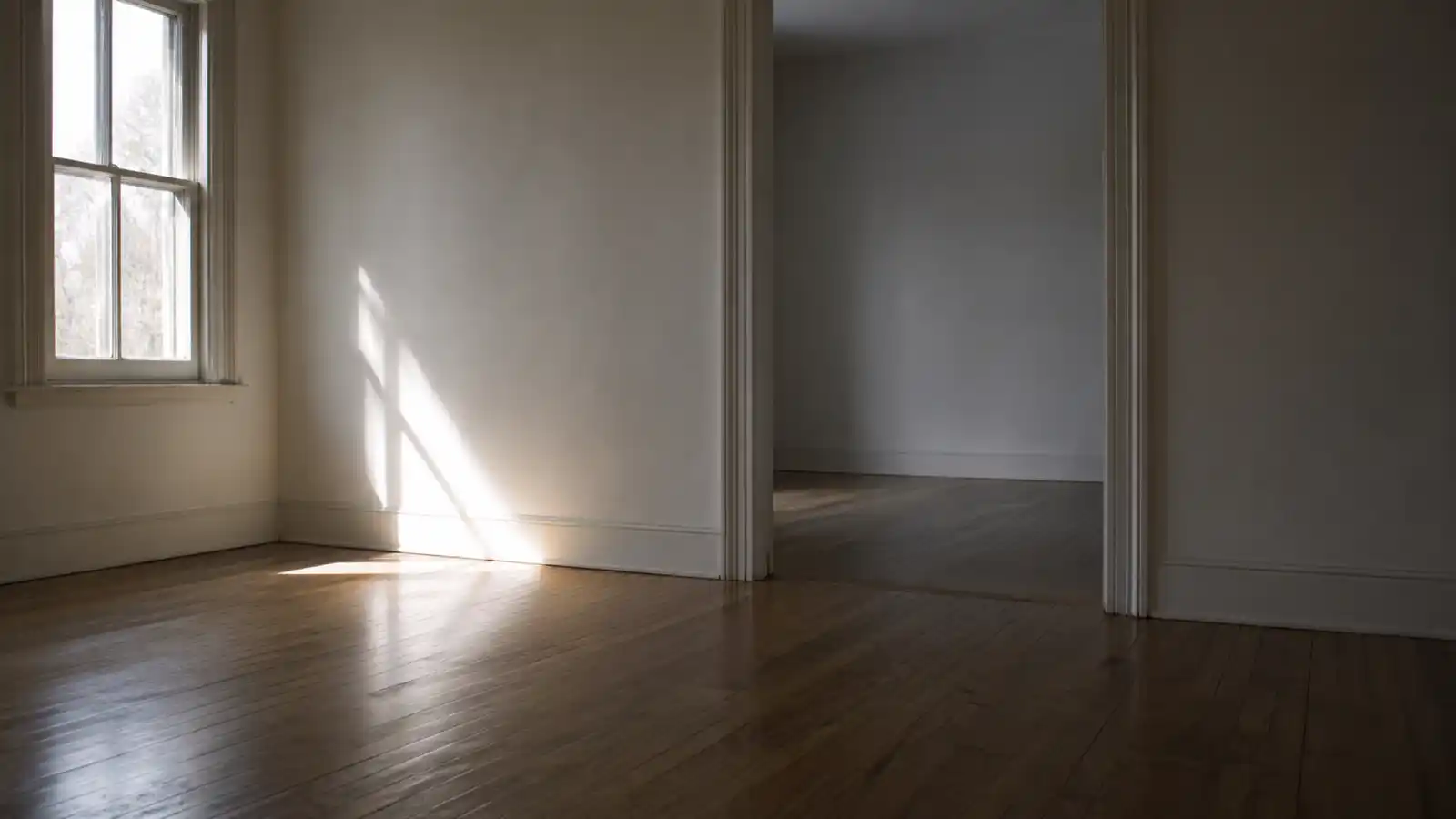
Vacant Property Insurance
Between tenants, held by an estate, mid-renovation or waiting on settlement - an empty property is a different risk, and standard policies often stop short of covering it. We arrange cover written for the vacancy, on terms that acknowledge it.
60-90
Days: typical unoccupancy limit
$2-3.2K
Recent annual placements
6
Vacancy situations we see
Recognition

THE SHORT ANSWER
Vacant property insurance covers a building that's sitting unoccupied - between tenants, held by a deceased estate, under renovation or awaiting sale. It exists because standard home and landlord policies commonly restrict cover once a property has been empty beyond a set period, often 60 or 90 days depending on the policy.
Standard direct policies are generally built around occupied property, so vacant risks are often placed through brokers with markets that write unoccupied property on its own terms. Tank arranges cover matched to the vacancy - how long the property will sit empty, its security, and what happens next.
01WHAT'S INSURED
What Vacant Property Cover Includes
Cover written for an unoccupied building, on terms that acknowledge the vacancy instead of quietly excluding it. Subject to policy terms, limits and exclusions.
| What's covered | Key exclusions and considerations |
|---|---|
| The building - fire, storm, impact and other insured events while unoccupied | The insurer must know the property is vacant; cover is written on that basis |
| Legal liability as owner of the vacant property | Agents, tradespeople and neighbours still interact with an empty building |
| Malicious damage and vandalism, where the policy provides it | Often sub-limited or conditional on security measures for vacant risks |
| Escape of water damage | Some policies require water to be turned off at the mains while the property is empty |
| Vacancy conditions built in, not breached | Inspection requirements (for example regular visits) can apply and should be workable for you |
| Flexibility when occupancy changes - new tenant, sale, works starting | Tell the insurer when the status changes so the cover converts rather than lapses |
VACANT PROPERTY QUOTE
Insuring a vacant property?
Tell us the address, why it's empty, how long it's likely to stay that way, and the sum insured. We'll take it to markets that write unoccupied risks.
02WHY IT'S DIFFERENT
Why an Empty Property Is a Different Risk
Nothing about the building changed. What changed is that nobody's there when something goes wrong.
No One There to Notice Damage
In an occupied property, a burst pipe gets found in hours. In a vacant one, water can run for weeks before anyone opens the door. The same event, a much bigger claim - which is why underwriters treat vacancy as its own risk category.
Vandalism, Break-Ins and Squatting
An obviously empty property draws attention. Insurers rate vacant risks with that in mind, and policies can restrict theft and malicious damage cover while a property sits unoccupied, subject to the terms.
Unoccupancy Clauses in Standard Policies
Standard home and landlord policies commonly restrict or reduce cover once a property has been unoccupied beyond a set period, often 60 or 90 days depending on the policy. Past that point, you may hold a policy that no longer responds the way you assume.
Between Tenants
A short gap between leases usually sits within a landlord policy's unoccupancy allowance. A longer gap - renovating between tenancies, a slow market, a property held empty deliberately - can push past it and needs to be addressed.
Deceased Estates and Properties Awaiting Sale
Estate-held property often sits empty while probate runs, and a sold property can sit vacant between exchange and settlement. Both are insurable, but the cover needs to be arranged on vacancy terms rather than left on a standard policy.
Renovations
A property emptied for renovation carries both vacancy risk and works risk. Depending on the scale of the works, the answer may be a vacancy-rated policy, a contract works policy, or both working together.
What it costs: recent Tank placements for vacant and unoccupied property have ranged from approximately $2,000 to $3,200 a year for single holdings, with larger or commercial risks priced case by case. Your property will be rated on its own details.
CLIENT SUCCESS
Vacant Property, Properly Presented: Recent Placements
Recent Tank placements, anonymised. Premiums are approximate and reflect each risk at the time - not a guide to future pricing.
Premiums and outcomes described are specific to each client and indicative only. Your own terms will depend on your circumstances and the insurer.
VACANT PROPERTY FAQS
Common Questions About Insuring an Empty Property
RELATED COVER & GUIDES
More on Property Cover
Property sitting empty, or about to be? Tell us the situation and we'll arrange cover that matches it.
Talk to Our Team →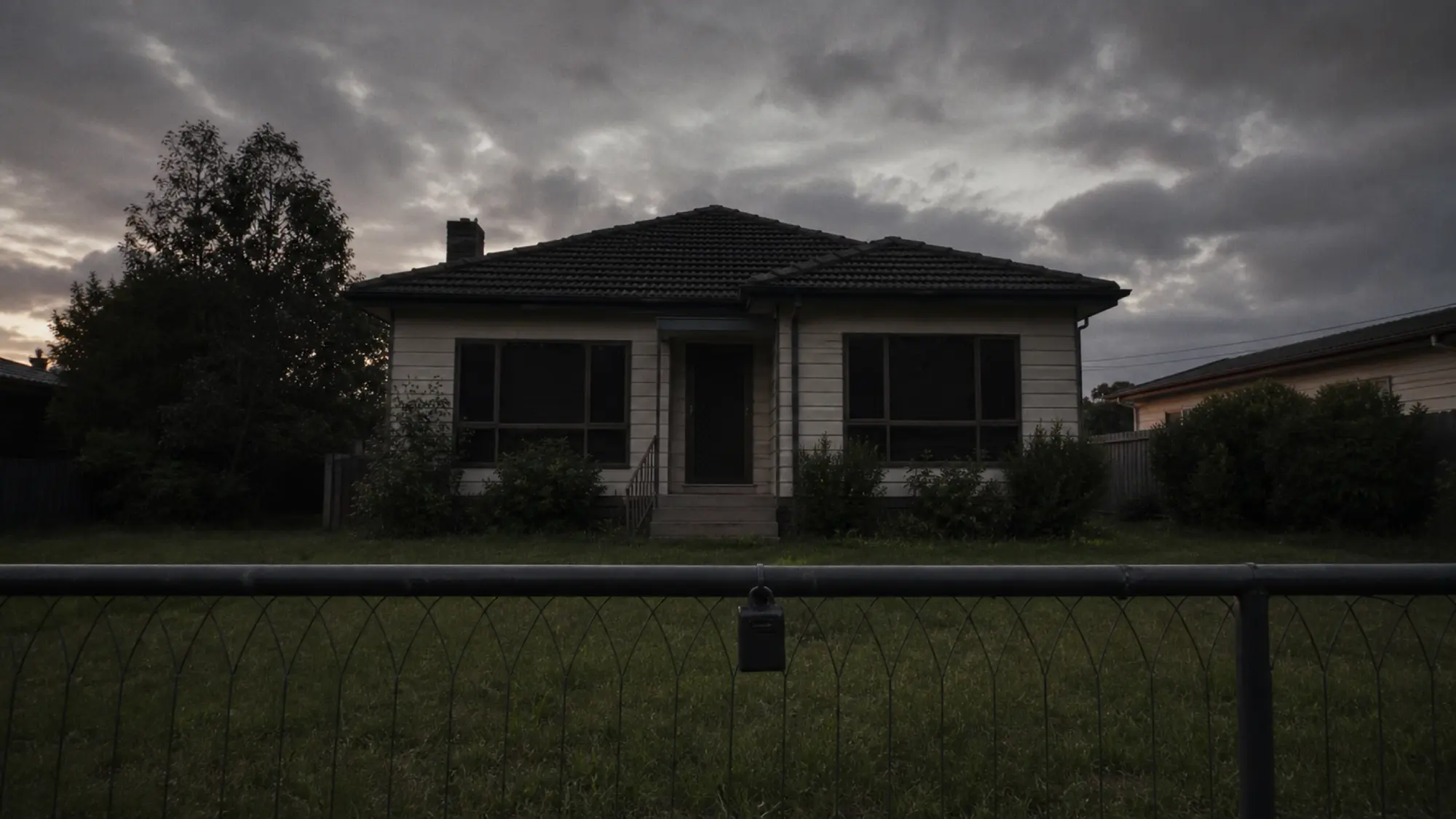
Get a Vacant Property Insurance Quote
Empty between tenants, held by an estate, mid-renovation or awaiting settlement - describe the vacancy and we'll come back with terms written for it.