
Granny Flat Insurance
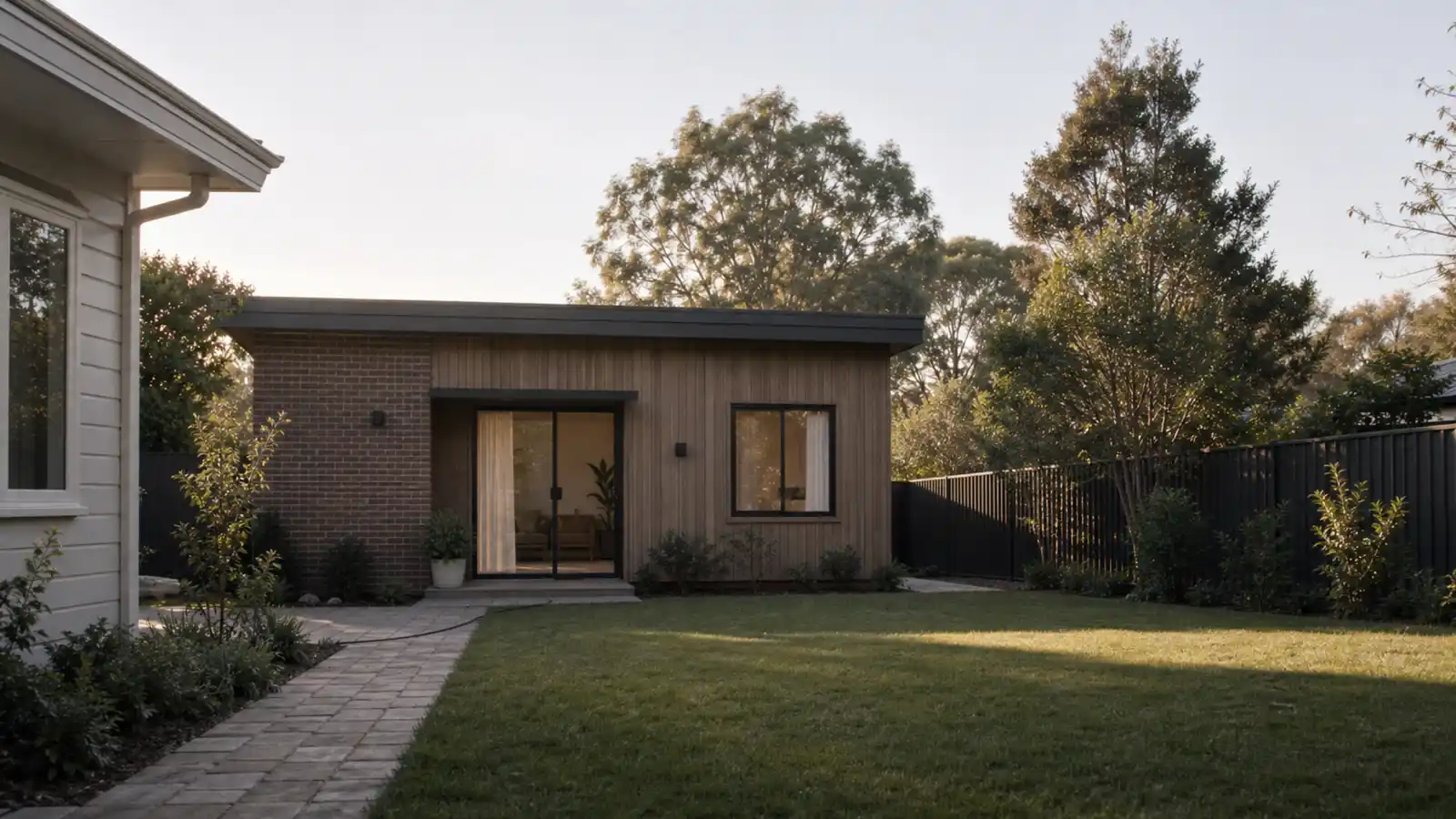
Two dwellings on one title changes how a landlord policy needs to be set up. We work to get the granny flat, the main house, and the sheds in between properly covered.
2
Dwellings, one policy
$2.5-5.8K
Recent annual premiums
6
Structure checks that matter
Recognition

THE SHORT ANSWER
Whether your granny flat is covered by your landlord insurance depends on whether it's declared and how the policy defines the insured building. If the insurer knows about the second dwelling and the sum insured covers both buildings, cover generally extends to it, subject to policy terms. If it isn't declared, you can face underinsurance or a dispute at claim time.
Tank arranges landlord cover for granny flats, dual-occupancy properties, sheds and outbuildings, with the sum insured set across every structure on the title and loss of rent reflecting each lease. If your current policy predates the flat, we'll review it and restructure the cover where it needs it.
01WHAT'S INSURED
What a Properly Structured Policy Covers
A landlord policy set up for a dual-occupancy property should pick up every structure on the title. Here's the shape of it, subject to policy terms, limits and exclusions.
| What's covered | Key exclusions and considerations |
|---|---|
| Main dwelling and granny flat - fire, storm, escape of water, impact and other insured events | Both dwellings must be declared; an undeclared second dwelling can cause problems at claim time |
| Sheds, garages, carports and other outbuildings on the same title | Sum insured must reflect them; commercial use of an outbuilding needs to be disclosed |
| Loss of rent across both dwellings after insured damage | The limit should match combined rental income, not just the main house lease |
| Legal liability as property owner | Occupancy arrangement (one lease, two leases, owner plus tenant) affects how the risk is rated |
| Tenant damage and rent default (where selected) | Availability varies by insurer and occupancy mix; short-stay letting is usually treated differently |
| Fences, retaining walls, paths and other improvements | Often sub-limited; check the figures against what's actually on the property |
GRANNY FLAT QUOTE
Get your granny flat properly covered
Tell us about the property - both dwellings, the occupancy setup, and the rent each earns. We'll structure a landlord policy built around everything on the title.
02WHICH SETUP IS YOURS?
Which Setup Is Yours? Five Ways a House and Granny Flat Get Insured
The answer to "is my granny flat covered" changes with who lives where and who pays rent. Find your setup below. Each one can be placed; the work is matching the policy to the property as it actually stands.
You live in the front house, the granny flat is rented out
One policy can be structured with the main house as owner-occupied and the granny flat declared as a tenanted secondary dwelling. Your own home cover sits on the house, and the landlord elements - loss of rent, tenant damage where selected, legal liability as owner - attach to the flat. Insurers rate owner-plus-tenant differently to a fully tenanted property, and not every home policy allows a tenanted dwelling on the title, so the setup has to be declared exactly as it is.
What we need from you: The lease on the flat, the weekly rent, and whether the flat has its own entrance and meters.
Both dwellings are rented out on separate leases
This is a dual-occupancy landlord risk. Both dwellings and both leases are declared, the building sum insured is set across the whole title, and loss of rent reflects the combined weekly rent. Some standard landlord products load for a second lease or don't accommodate it, so appetite is assessed case by case and we take it to the markets that write both dwellings on one policy. A recent Northern Beaches placement of exactly this setup went to CGU at approximately $5,800 a year.
What we need from you: Both leases, both rents, and the rebuild cost of each dwelling.
Family living in the granny flat rent-free
No rent doesn't mean nothing to declare. The flat is still a second dwelling on the title, so it needs to be on the policy and inside the sum insured. Because there is no lease, loss of rent on the flat doesn't apply, and the occupant's own belongings are theirs to insure under their own contents policy. Liability for the whole site still sits with you as owner.
What we need from you: Who lives in the flat and whether any rent or board changes hands.
Short-stay or Airbnb letting
Short-stay letting is rated differently from a residential lease, and some landlord products exclude it or cap the nights per year. That's a reason to tell us up front, not to leave it out: we screen the setup against the markets that accept short-stay before anything is submitted. If the main house is on a lease and only the flat is short-stay, say so, because the mix matters.
What we need from you: Nights let per year, which dwelling is short-stay, and whether you also live on site.
Dual key or dual occupancy under one roof
Two self-contained homes under one roof on one title, usually with a shared entry, or two attached dwellings on one lot. To an insurer this is the same family as a house and granny flat: one title, two households. A one-roofline dual occupancy can be written as a single free-standing home policy with both households declared. A dual key apartment inside a strata scheme is different again: the building sits under the strata policy and you need landlord cover for both units.
What we need from you: The title (freehold or strata lot), how each home is occupied, and the rent on each.
03GETTING THE STRUCTURE RIGHT
Six Things That Decide Whether Your Cover Actually Works
The granny flat itself isn't the hard part. It's making sure the policy reflects the property as it stands today.
Declare the Second Dwelling
The insurer needs to know there are two dwellings on the title, how each is occupied, and who lives in them. If the granny flat isn't declared, the policy may not respond the way you expect at claim time, subject to its terms.
Sum Insured Across Both Buildings
The building sum insured should reflect the full rebuild cost of the main house, the granny flat, and everything connecting them - driveways, fencing, retaining walls. A figure set before the flat was built can leave you underinsured.
Separate Leases and Dual Occupancy
One tenant across both dwellings is a different risk to two separate leases, or an owner in the front and a tenant in the back. Each arrangement is rated differently, and some insurers only write certain configurations.
Sheds and Outbuildings
Sheds, garages, carports and studios generally fall under the building definition when they're on the same title, subject to policy terms. Larger structures, or anything used commercially, should be called out specifically.
Loss of Rent Per Dwelling
If both dwellings earn rent, loss of rent cover should reflect the combined income. Two leases at $500 a week is $1,000 a week of exposure if the property is damaged and both tenants have to move out.
When the Policy Needs Restructuring
Some landlord policies handle a declared secondary dwelling comfortably. Others cap the number of dwellings, or exclude dual occupancy altogether. When the standard product doesn't fit, the cover needs to be restructured or moved to a market that writes it properly.
What it costs: Tank has recently arranged landlord cover for dual-occupancy and granny-flat properties with annual premiums between approximately $2,500 and $5,800, depending on sum insured and location. Your property will be rated on its own details.
CLIENT SUCCESS
Two Dwellings, One Title: How These Risks Actually Get Placed
Recent Tank placements, anonymised. Premiums are approximate and reflect each risk at the time - not a guide to future pricing.
Premiums and outcomes described are specific to each client and indicative only. Your own terms will depend on your circumstances and the insurer.
GRANNY FLAT FAQS
Common Questions About Granny Flat Insurance
RELATED COVER & GUIDES
More on Property Cover
Not sure whether your granny flat is properly covered? Send us your current schedule and we'll review it.
Talk to Our Team →
Get a Granny Flat Insurance Quote
Two dwellings, one title, one policy that actually reflects the property. Tell us the setup and we'll come back with terms.