
Multi Dwelling Insurance
One policy for two or more dwellings on a single title. Duplexes, triplexes, unit blocks, blocks of flats, walk-up flats and townhouse rows, placed with insurers that actually write this risk.
2-6+
Dwellings, One Title
One
Policy, Whole Holding
Non-Strata
Specialists
Recognition

THE SHORT ANSWER
Multi dwelling insurance is one policy covering multiple self-contained dwellings held on a single title, instead of separate home policies per dwelling or a strata policy held by an owners corporation. It covers the buildings, loss of rent, public liability and tenant damage across the whole holding, subject to the policy terms, limits and exclusions.
It's the right structure for anyone who owns a duplex, triplex, block of units, block of flats, walk-up flats or a row of townhouses where the whole property sits on one title with no strata scheme. If that's your set-up, a standard single-dwelling landlord policy generally won't describe the risk properly.
Standard home and landlord policies are built around one self-contained dwelling. Put four flats behind that policy and the numbers stop describing the property you actually own.
The sum insured, loss of rent limit and liability cover all assume a single house or unit. If the policy schedule says one dwelling and the title holds six, a claim can get complicated fast: the rebuild cost is understated, the rental income across the block isn't reflected, and the insurer is assessing a risk it never agreed to write. The fix is a policy structured for the whole holding: one building sum insured covering every dwelling, loss of rent across the combined rental income, and liability cover for the shared driveways, stairwells and grounds.
The other mix-up is strata. Strata insurance only exists where a property has been strata subdivided and an owners corporation holds the policy. If one owner holds the whole block on a single title, there's no owners corporation, so the owner insures it directly under a non-strata policy. Quick test: check the title. One lot, one owner, multiple dwellings means non-strata multi dwelling insurance; separate strata lots with an owners corporation means strata insurance. And if there's a shop or office in the mix, say retail on the ground floor with flats above, the risk shifts again and is written as mixed use property insurance.
WHO IT'S FOR
Who Needs Multi Dwelling Insurance
If you hold two or more self-contained dwellings on a single title, this is your policy type: investors with a duplex or triplex, families holding a block of flats across generations, owners of walk-up blocks, and anyone with a row of townhouses that was never strata subdivided. It also covers people who arrive here through a change: a second dwelling built on an investment property, an inherited block, or a purchase where the vendor's policy doesn't transfer.
01
Duplexes and Triplexes
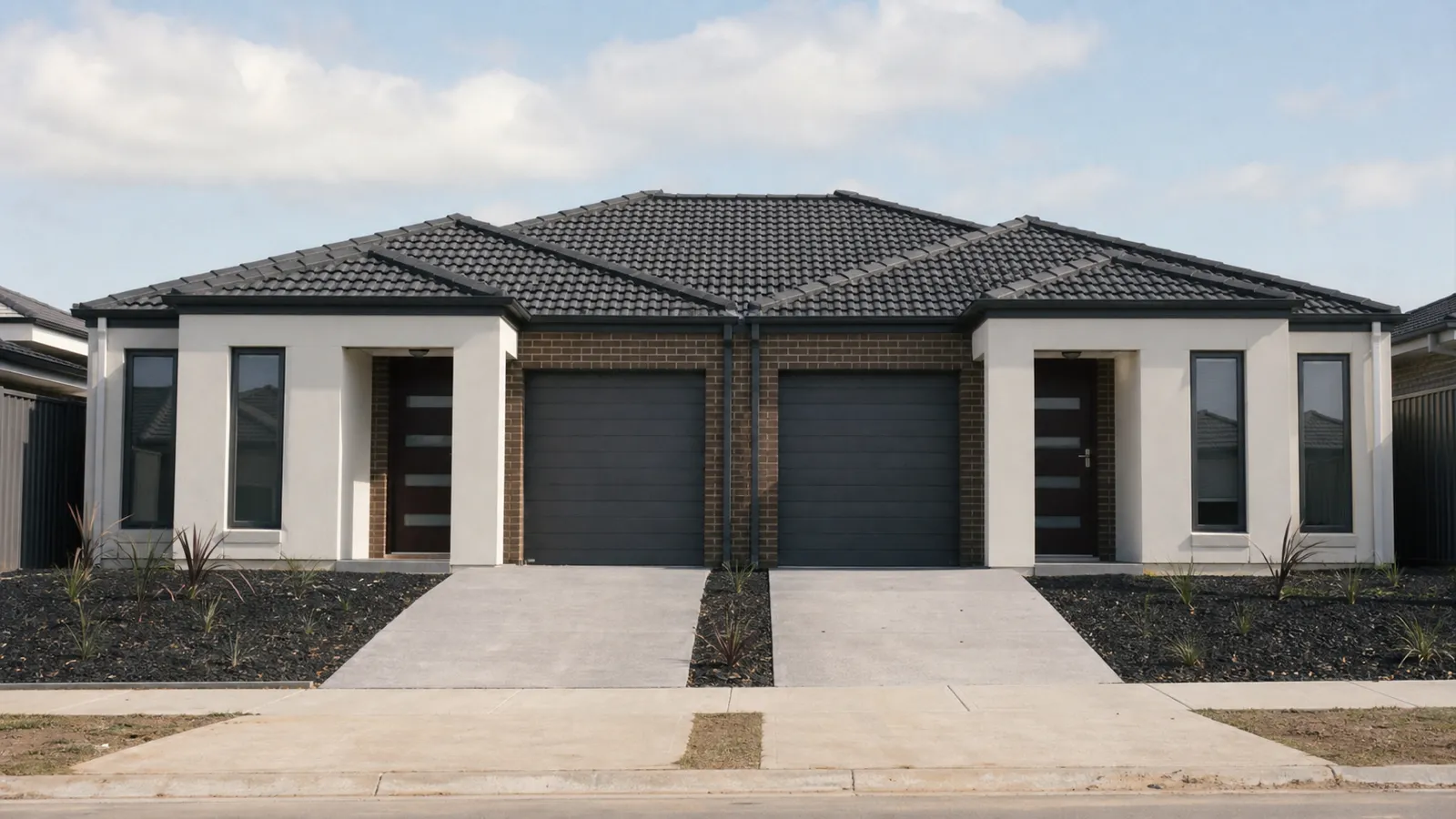
Two or three self-contained dwellings on one title, side by side or stacked. If the property hasn't been strata subdivided, one owner holds the lot and one policy needs to cover every dwelling on it.
02
Blocks of Units
Typically four to twelve self-contained units in a single building, held by one owner or a family entity on a single title. Insured as one property with one building sum insured across the whole block.
03
Walk-Up Flats
Older two or three storey blocks with external or shared stairwells and no lift. Build era, wiring and plumbing get a close look from underwriters, so the placement matters more than it does for a modern build.
04
Townhouse Rows
A row of attached townhouses on one title, sometimes combined with units on the same holding. Rated on the total rebuild cost and combined rental income across every dwelling.
WHAT'S INSURED
What Multi Dwelling Insurance Covers
A well-structured multi dwelling policy covers the whole holding under one schedule. All cover is subject to the policy terms, limits and exclusions.
Usually Covered
Not Typically Covered
This is a general guide only. What is and isn't covered depends on the terms, conditions, limits and exclusions of your specific policy.
UNIT BLOCKS
Unit Block Insurance
A unit block is a single building holding several self-contained units, typically four to twelve, owned by one person, family or entity on a single title. No strata scheme, no owners corporation, no body corporate levies. Just one owner and one asset with multiple rental incomes attached to it.
Because there's no strata policy in play, the owner insures the entire block directly. One policy carries the building sum insured for the whole structure, loss of rent across every unit, public liability for the shared areas, and tenant damage cover. That's exactly the structure covered on our dedicated block of units insurance page.
The main trap with a unit block is the sum insured. Rebuild cost for a whole block is a bigger and less intuitive number than for a house, and demolition, debris removal and cost escalation over a long rebuild all need to fit inside it. Get that number wrong and every claim on the policy is affected.
BLOCKS OF FLATS
Block of Flats Insurance
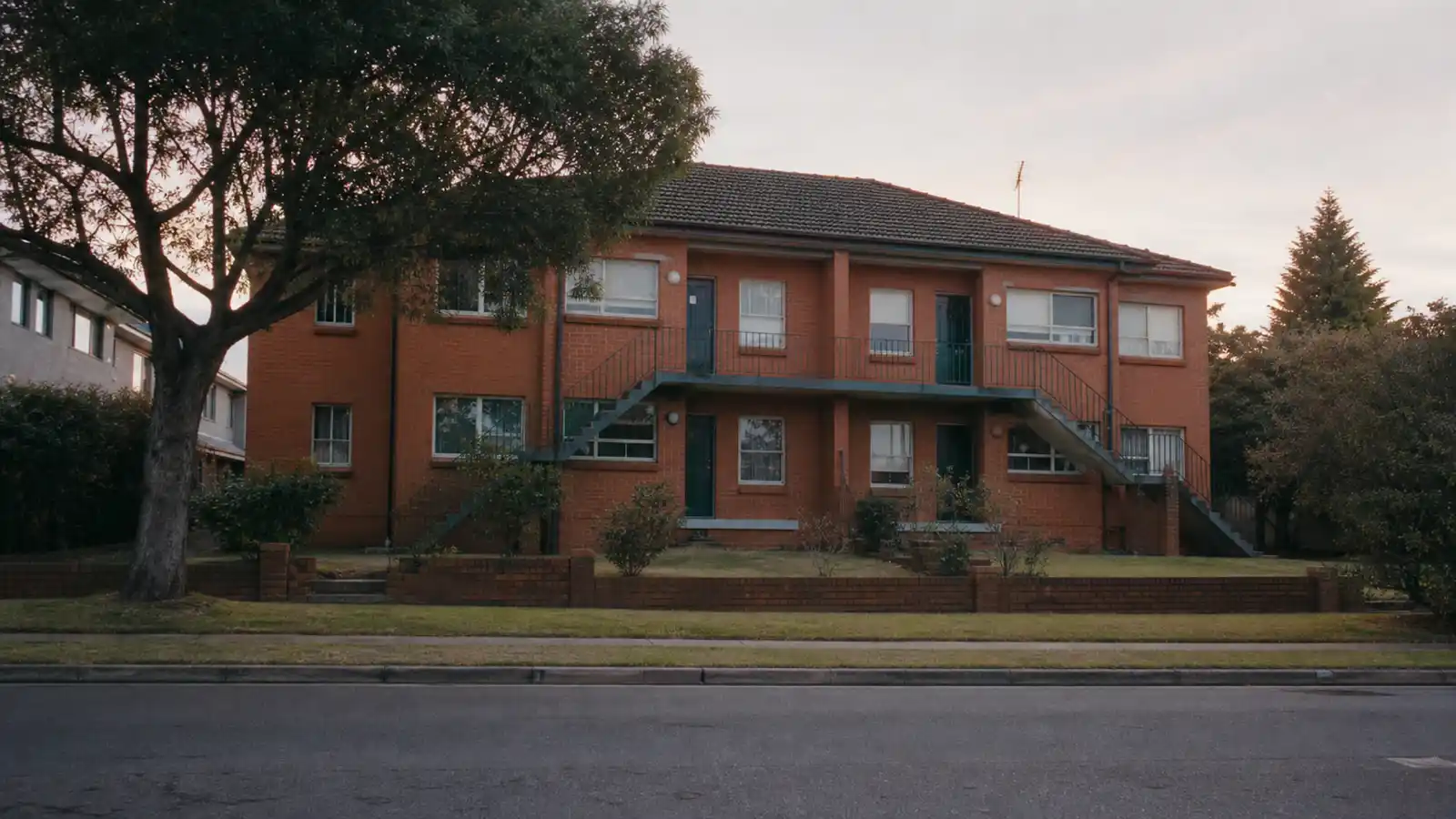
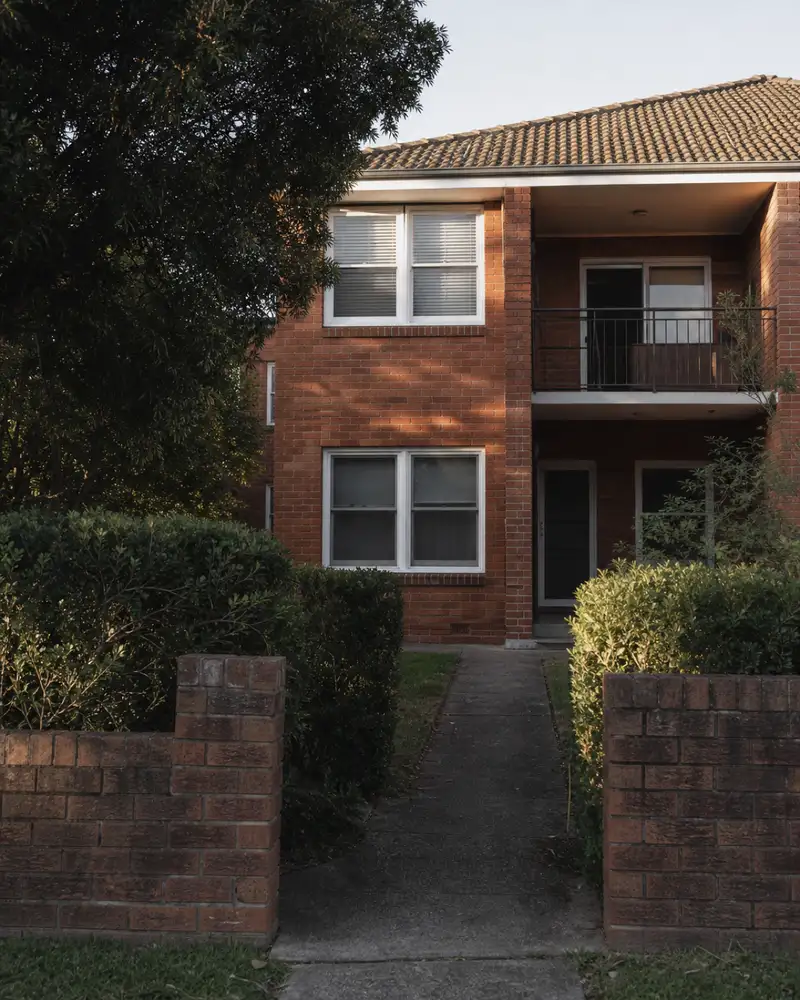
"Block of flats" and "block of units" describe the same thing in practice: multiple self-contained homes in one building on one title. The word "flats" tends to attach to older stock, often pre-1980s brick buildings that have been in one family for decades, sometimes since they were built.
Insuring a block of flats works the same way as any multi dwelling risk: one policy for the whole building, covering structure, loss of rent, liability and tenant damage. The difference is in the underwriting. Older flats bring questions about wiring, plumbing, roofing and heating, and insurers price the answers into the terms.
If the block has been rewired, re-plumbed or re-roofed, say so and evidence it, because it directly improves the terms you're offered. If it hasn't, the placement needs to go to insurers with genuine appetite for older residential blocks rather than a generic comparison result. This is where using a broker who places these buildings regularly pays for itself.
WALK-UP FLATS
Walk-Up Flats Insurance
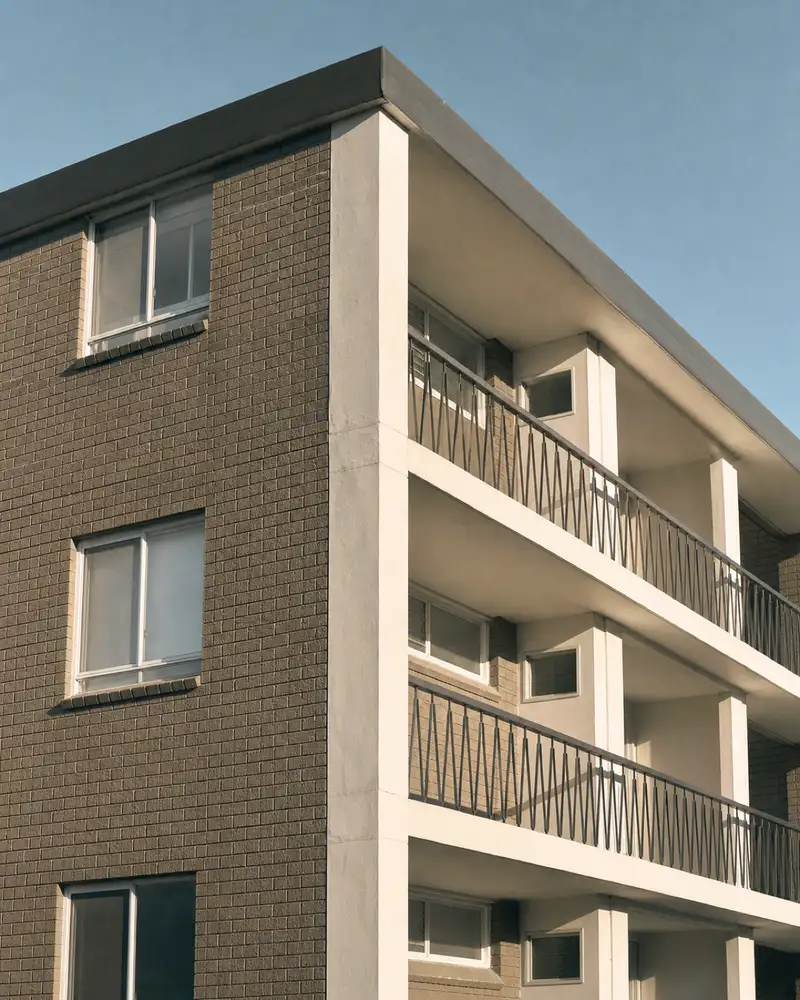
Walk-up flats are the classic two or three storey blocks with stairs instead of a lift, external walkways or shared internal stairwells, and usually a 1950s to 1970s build date. They're a staple of inner and middle-ring suburbs across Sydney, Melbourne and Brisbane, and where one owner holds the whole block on a single title, it's insured as a multi dwelling risk.
From an insurance point of view, a walk-up is a multi dwelling risk with a couple of extra underwriting angles. Shared stairwells and walkways concentrate the liability exposure, and the build era raises the usual questions about wiring and plumbing. Insurers may also ask about handrails, lighting and the condition of common areas.
None of that makes a walk-up hard to insure when it's presented properly. Tank has placed walk-up blocks recently, including a 6-flat 1950s walk-up in Brisbane at approximately $5,900 a year and a walk-up block in suburban Melbourne at approximately $2,800 a year. The full set of real placement figures is on our multi dwelling insurance cost guide.
RECENT PLACEMENTS
Real Multi Dwelling Placements
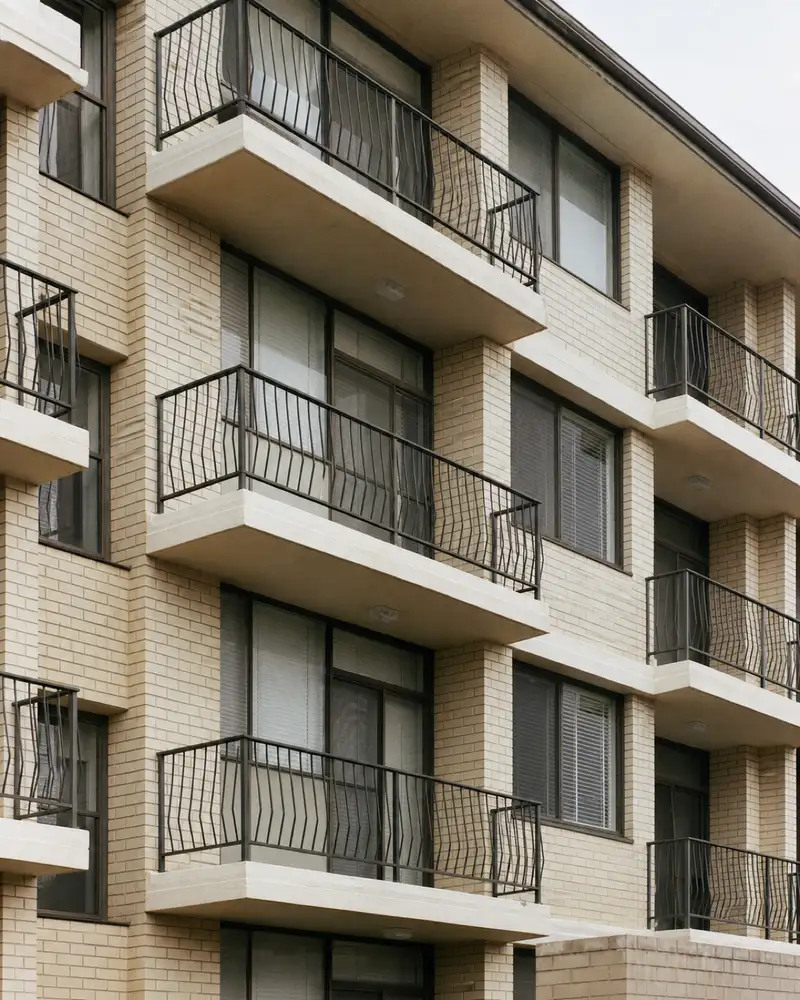
Recent multi-dwelling placements have gone to markets including CGU, CHU and Sure Insurance. Which insurer fits depends on the size of the holding, the build era and the location, which is exactly the work a broker does before you ever see a quote. Every holding is rated on its own details.
Premiums and outcomes described are specific to each client and indicative only. Your own terms will depend on your circumstances and the insurer.
MULTI DWELLING FAQS
Common Questions About Multi Dwelling Insurance
RELATED COVER & GUIDES
More on Multi Dwelling Property
Duplex, unit block or walk-up flats on one title? Send us the property details and we'll take it to the insurers that write multi dwelling risk.
Talk to Our Team →
Get a Multi Dwelling Insurance Quote
One policy for the whole holding: buildings, loss of rent, liability and tenant damage. Tell us about the property and we'll take it to the right markets.