
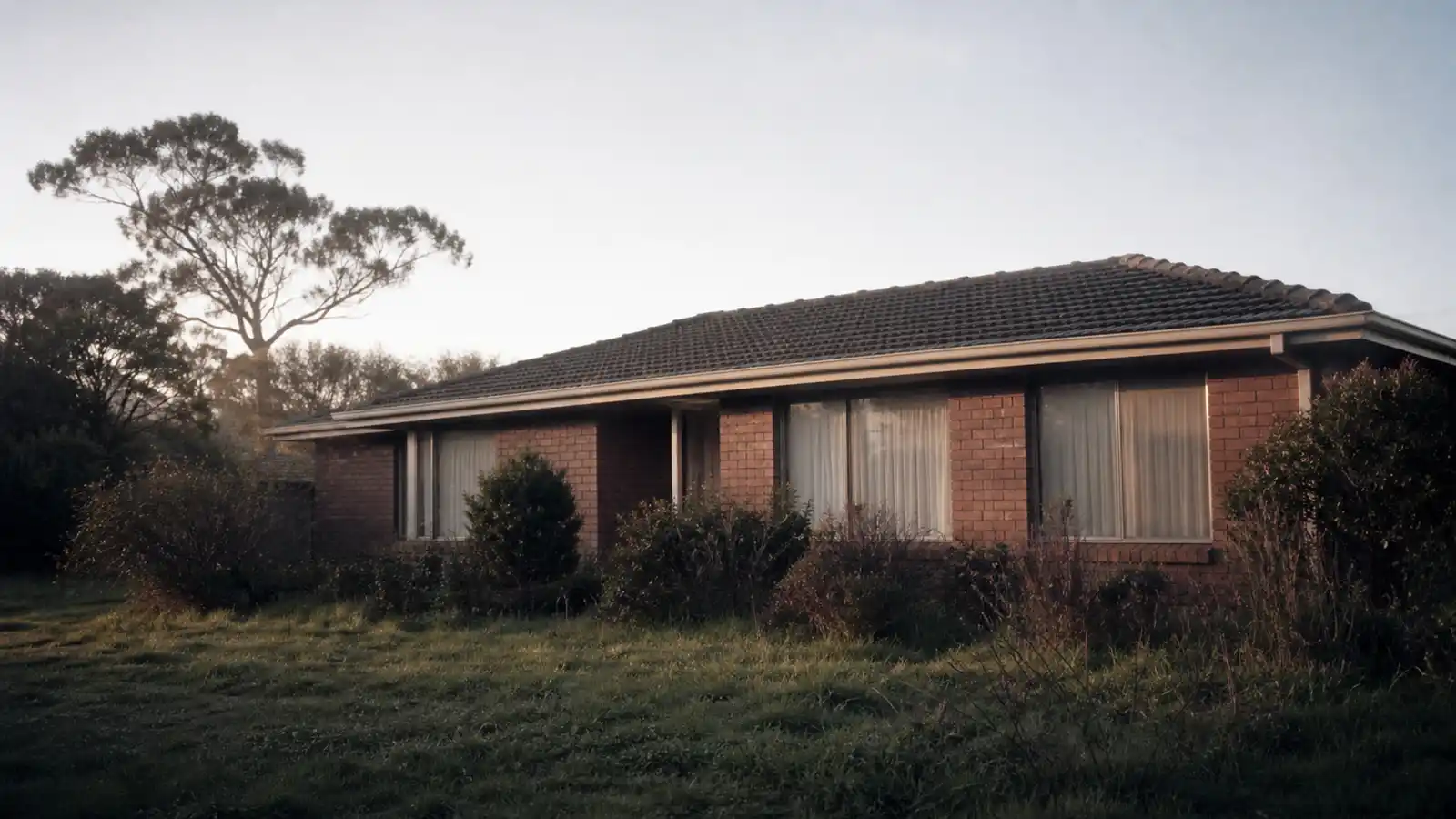
Deceased Estate Property Insurance
If you're an executor or a family member sorting out a property in an estate, insurance is one job we can take off your list. We'll check what's in place, arrange what's missing, and keep it simple.
Broker-led
We deal with the insurer for you
60-90
Days before unoccupancy limits
Short-term
Cover for as long as the estate needs it
Recognition

THE SHORT ANSWER
When a property owner passes away, their insurance doesn't automatically end, but it doesn't carry on unchanged either. The insurer should be notified, the policy may only respond for a period, and if the property sits empty, unoccupancy conditions can restrict cover. Executors can arrange new cover in the estate's name before probate is granted.
Tank arranges cover for estate-held property - houses, units and blocks - in the name of the estate or its executors, on terms that reflect how the property is actually occupied. One conversation, the property is protected, and you can get back to everything else on the list.
01WHAT'S INSURED
What Estate Property Cover Looks Like
Cover is arranged in the name of the estate or the executors, shaped around how the property currently sits. Subject to policy terms, limits and exclusions.
| What's covered | Key exclusions and considerations |
|---|---|
| The building - fire, storm, escape of water, impact and other insured events | The sum insured should reflect current rebuild cost, not a figure set years ago |
| Legal liability attaching to the property owner (the estate) | Matters even when the property is empty - tradespeople, agents and visitors still attend |
| Unoccupied property, on terms that reflect the vacancy | Standard policies often restrict cover after 60 or 90 days unoccupied, depending on the policy |
| Tenanted estate property, including loss of rent where selected | If a tenancy continues or begins during administration, the policy should be set up as landlord cover |
| Contents left in the property, where declared | Theft and malicious damage cover can be limited while a property is unoccupied |
| Flexibility to cancel or assign when the property sells or transfers | Unused premium is typically refunded pro rata, subject to the policy terms |
02FOR EXECUTORS
Getting the Property Insured, Step by Step
There's a lot to do when you're administering an estate. The insurance part comes down to a few practical steps.
Check What's In Place Now
Find the current policy if there is one - a schedule, a renewal notice, a bank statement showing the premium. If nothing turns up, treat the property as uninsured until proven otherwise and get cover arranged.
Let the Insurer Know the Owner Has Passed
If a policy exists, the insurer should be notified. The policy may continue for a period, but the insurer needs to know the circumstances have changed, particularly if the property is now empty.
Address the Occupancy Question
If the property is unoccupied, standard policies often restrict or reduce cover after a set period, commonly 60 or 90 days depending on the policy. Cover needs to be arranged on terms that match how the property is actually being used.
Put Cover in the Estate's Name
New cover is generally arranged in the name of the estate or its executors. You don't need probate granted to insure the property - executors generally have a duty to preserve estate assets, and insurers can write cover on that basis.
Keep It Simple While Probate Runs
The cover just needs to hold the property safely until the estate is settled - whether that ends in a sale, a transfer to a beneficiary, or a new tenancy. Short-term and annual options both exist.
Adjust When the Property Moves On
Once the property sells or transfers, the policy is cancelled or assigned and any unused premium is typically refunded pro rata, subject to the policy terms. Nothing about the arrangement locks the estate in.
ESTATE PROPERTY
Get the estate's property insured
Share the property address, how it's currently occupied, and what you know about any existing policy. We'll confirm the position and arrange cover in the estate's name.
A RECENT PLACEMENT
How This Works in Practice
A recent Tank placement, anonymised. The premium is approximate and reflects the risk at the time - not a guide to future pricing.
Premiums and outcomes described are specific to each client and indicative only. Your own terms will depend on your circumstances and the insurer.
ESTATE PROPERTY FAQS
Common Questions From Executors and Families
RELATED COVER & GUIDES
More on Property Cover
Not sure what cover the estate has, or needs? Send us what you know and we'll work it out from there.
Talk to Our Team →
One Less Thing to Sort Out
Tell us about the property and we'll take the insurance side from here - we'll check what's in place and work to get cover arranged in the estate's name while probate runs.