
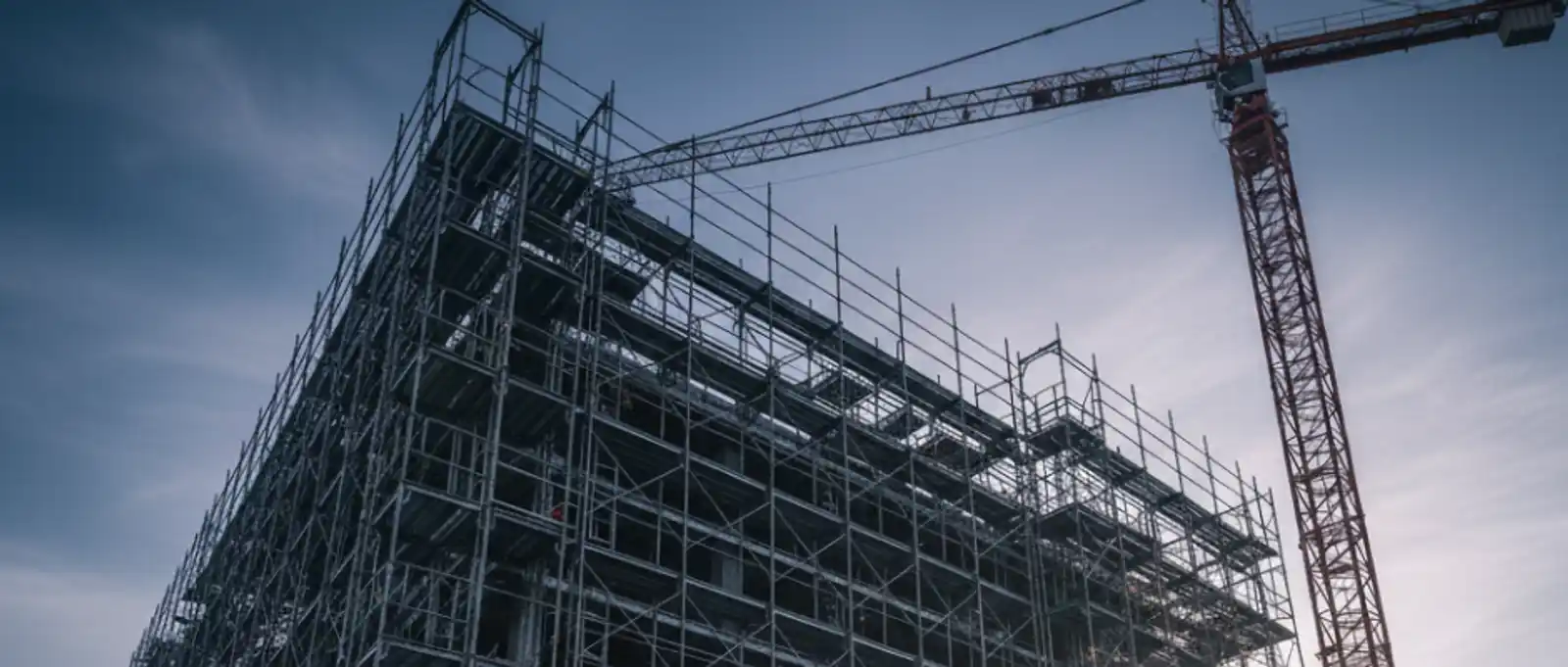
Public Liability Insurance for Scaffolders
Understand what liability cover is designed to do, what it does not replace, and the details that shape a scaffolding quote.
Australia
National market access
$10M–$20M
Limits contracts often specify
Specialist
Scaffolding placement
Recognition

The Tank take
Public liability insurance may respond when a scaffolding business is legally liable for third-party personal injury or property damage arising from insured operations. Products liability may deal with injury or damage arising from products supplied, sold or hired. The precise trigger, defence costs, limits and exclusions come from the policy wording.
It does not make unsafe work compliant, replace a high-risk work licence, insure employee injury under workers compensation, or automatically cover your own scaffold and tools. Contract requirements and statutory duties should be checked separately.
Claims the cover is designed around
Cover is never automatic: the allegation must fall within the insuring clause and remains subject to exclusions, limits, excess and conditions. These are the claim shapes scaffolding liability policies are built for.
A dropped coupler, plank or tool striking a person or vehicle below. Falling-object claims are a core scaffolding exposure and a reason exclusion zones and containment matter to underwriters.
A scaffold failure injuring third parties or damaging neighbouring property. The claim may involve erection method, ties, loading, alteration by other trades and inspection records - preserve all of them.
Broken glazing, damaged cladding or roof penetrations while installing or striking scaffold. Check care-custody-control treatment: damage to the property you are working on can be restricted.
A pedestrian injured by scaffold on a footpath, or a business alleging loss from blocked access. Public-interface work raises the exposure and can attract specific conditions.
Injury or damage arising from components you sell, import, manufacture, alter or dry-hire. Products limits may be aggregate - if you supply gear, disclose it rather than relying on an erection-only description.
Choosing the liability limit
Limits such as $10 million or $20 million are often driven by head contracts, site-access agreements or customer procurement rules. The correct limit is not determined by a generic industry norm. Read the insurance clause, note whether the requirement is any one occurrence or in the aggregate, and check whether completed operations or products liability must continue after the project.
A certificate of currency is evidence of stated cover on a date; it is not a summary of every exclusion and does not amend the policy. Provide the relevant contract to your broker where possible.
Height work needs the right market, not more form-filling
Tell us your maximum height, project mix and the limit your contract requires. We take it to insurers with genuine scaffolding appetite.
Height, site and activity restrictions
A quote may contain a maximum-height condition or exclude specified activities, locations or industries. Common referral points include suspended or hung scaffolds, work over rail corridors or public roads, bridges, power stations, mines, petrochemical sites, demolition, asbestos, airports, marine work and overseas operations.
Do not infer that a quoted policy covers an activity because the application form did not ask a particular question. Review the schedule, endorsements and full wording, and obtain written clarification before beginning work outside the declared profile.
Subcontractors and contingent liability
Your business can be named in a claim even when a subcontractor performed the work. Policies differ on whether and how they cover liability arising from subcontractors. Underwriters may require written agreements, licence checks, certificates of currency, specified liability limits and consistent supervision.
A subcontractor's certificate does not transfer your duties or guarantee recovery under their policy. See the scaffolding subcontractor insurance guide.
Information that strengthens the submission
Give the underwriter a concise operating profile: activity splits, maximum height, scaffold types, residential/commercial/industrial split, geographic radius, turnover, wages, staff, subcontractor payments, hire/sales/import exposure, largest contracts, licences, risk systems and claims history.
Where a principal requires special clauses, such as principal's indemnity, waiver of subrogation or cross liability, send the actual clause. Whether an insurer can agree depends on its wording and appetite.
Check the rules where the work is performed
Safety and licensing duties sit outside your insurance policy. These regulator sources are the starting point.
External government sources. Tank Insurance is not responsible for their content; confirm current requirements with the relevant regulator.
More scaffolding insurance guides
Questions about public liability insurance for scaffolders
It may respond to an insured claim for third-party injury or property damage arising from a collapse, subject to legal liability and all policy terms. It may not cover the cost of replacing your own scaffold or correcting defective work.
Some contracts and sites require $20 million, while others specify a different limit. Check the written requirement and consider the exposure. It is not a universal limit for every scaffolding business.
Policy treatment varies. Some wordings cover the named insured's liability arising from subcontractors but do not make the subcontractor an insured. Conditions may apply, so disclose the arrangement and check the wording.
Do not assume it will. Fines and penalties may be uninsurable or excluded, and insurance never replaces WHS duties. Check the policy and obtain legal advice for a specific matter.
General information only. This page does not take account of your objectives, financial situation or needs and is not legal or WHS advice. Cover depends on the insurer, policy wording, limits, excesses, exclusions and information disclosed. Read the relevant policy documents and obtain professional advice before deciding.

Put your scaffolding risk in front of the right markets
Tell us what you do, where you work and the limit your contract requires. We will explain the available terms and exclusions before you decide.