
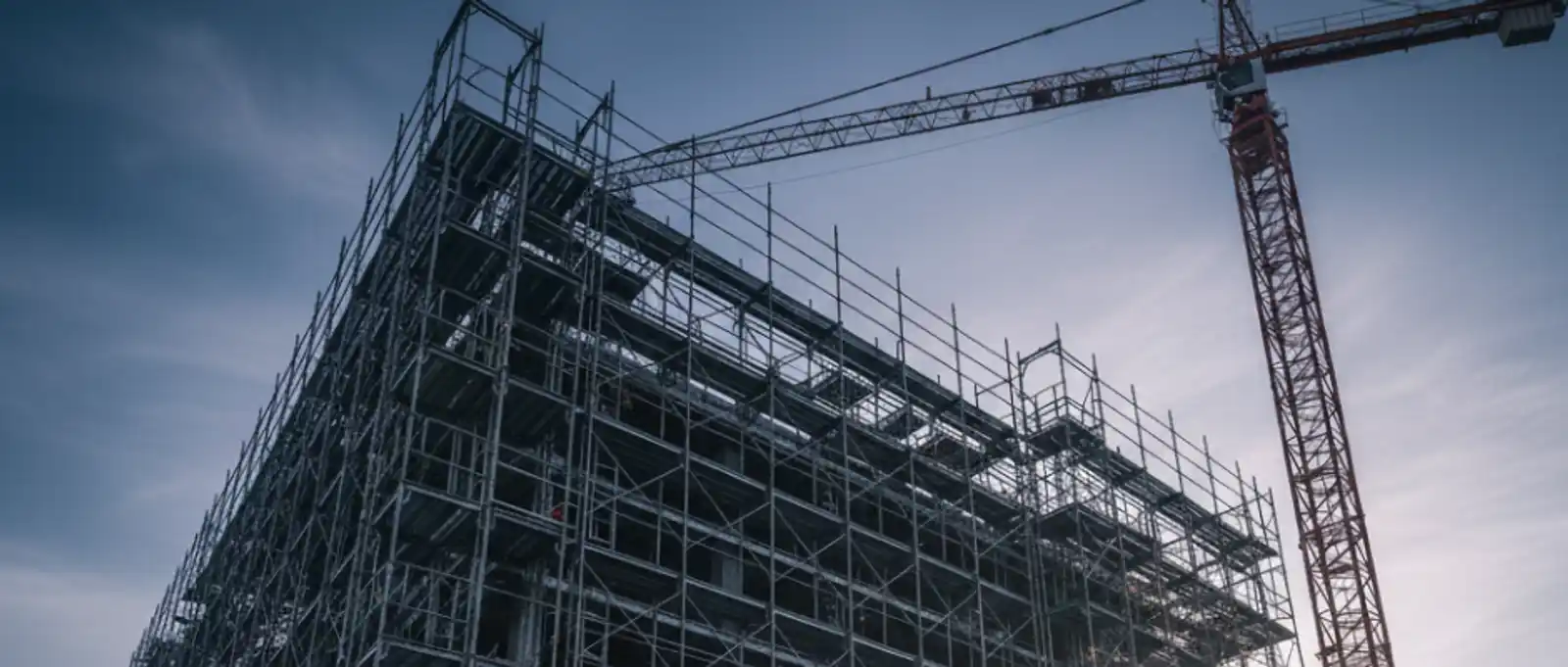
Scaffolding Insurance Case Studies
Placement evidence showing how accurate risk presentation and specialist market access can matter when occupation-based declines narrow the field.
$20M
Limits placed repeatedly
Specialist
Height-work markets
12m
Working height placed
Recognition

The Tank take
Tank has placed $20 million public liability for scaffolding and edge-protection contractors on multiple occasions, from new-venture start-ups through to renewals for established height-work businesses, including after mainstream insurers declined on occupation. Each outcome demonstrates a placement approach, not a promise of future availability, price or timing.
Every insurer applies its current appetite to the complete facts. Similar occupations can receive different terms because height, projects, experience, claims, contracts and market conditions differ.
Three $20 million placements
Each placement is real, anonymised, with premiums rounded up. These case studies cover three situations scaffolders arrive in: a new venture, an established business needing a specialist market, and a renewal under price pressure.
A small NSW scaffolding contractor with two staff, turnover around $75,000, nine years' experience and work up to about 10 metres needed a $20 million limit. Mainstream appetite for the scaffolding occupation was limited at the time. We clarified the business profile and took the risk to a specialist liability market prepared to consider scaffolding and height work; cover was placed through High Street Underwriting Agency.
The result: $20M public liability placed at around $5,200 per year through a specialist market.
A Sydney start-up focused on perimeter edge-protection rail systems for first-floor homes needed $20 million public liability with one staff member and modest forecast turnover. Mainstream appetite for a new venture in this occupation was limited, so we took the risk to specialist height-work markets. The specialist market required further information on licensing, incident records and SWMS procedures before considering the risk.
The result: $20M public liability placed at a premium of around $3,700 per year through a specialist underwriting agency, with premium funding arranged.
A Sydney scaffolding contractor with six staff, turnover of approximately $550,000, work up to 12 metres and an 80 per cent residential, 20 per cent commercial split required a $20 million limit at renewal. The renewal was tested against alternative markets, and the alternative quotations came back at more than twice the selected price.
The result: $20M products and public liability renewed at around $6,000 per year with the incumbent insurer, validated against alternative markets.
Premiums and outcomes described are specific to each client and indicative only. Your own terms will depend on your circumstances and the insurer.
What made the submissions assessable
The useful facts were not limited to the word “scaffolder”. Each submission identified the business size, experience, maximum height, project profile and required limit. This allowed a specialist underwriter to assess a defined exposure.
That does not mean these facts will always produce terms. Underwriter appetite changes, and further details such as scaffold type, subcontractors, claims, contracts and locations can change the result.
Height work needs the right market, not more form-filling
Tell us your maximum height, project mix and the limit your contract requires. We take it to insurers with genuine scaffolding appetite.
What these case studies do not prove
- They do not show that every scaffolder can obtain $20 million cover.
- They do not establish a standard premium or turnaround.
- They do not mean the same underwriting agencies will always have appetite.
- They do not compare the complete wording with every alternative.
- They do not replace disclosure of the current applicant's facts.
Case studies are most useful when they illustrate process and market reasoning, not when treated as a quote.
How to prepare a comparable risk
Start with the quote requirements checklist. Include accurate maximum height, activity and project splits, staff and subcontractor details, experience, claims history, requested contract endorsements and genuine risk-control evidence.
Then compare the cover and exclusions on any terms received. Securing a limit is only one part of evaluating whether a quote fits the work.
More scaffolding insurance guides
Questions about scaffolding insurance case studies
No. The case study records a historical placement. Current terms depend on the complete risk and insurer appetite when the application is made.
Height work sits outside many standard appetites, so an insurer may decline on occupation regardless of how well the business is run. That reflects the insurer's appetite, not a finding that the business was unsafe or uninsurable.
No standard price should be inferred. Height, turnover, projects, people, claims, limits and market conditions all affect pricing.
General information only. This page does not take account of your objectives, financial situation or needs and is not legal or WHS advice. Cover depends on the insurer, policy wording, limits, excesses, exclusions and information disclosed. Read the relevant policy documents and obtain professional advice before deciding.

Put your scaffolding risk in front of the right markets
Tell us what you do, where you work and the limit your contract requires. We will explain the available terms and exclusions before you decide.