
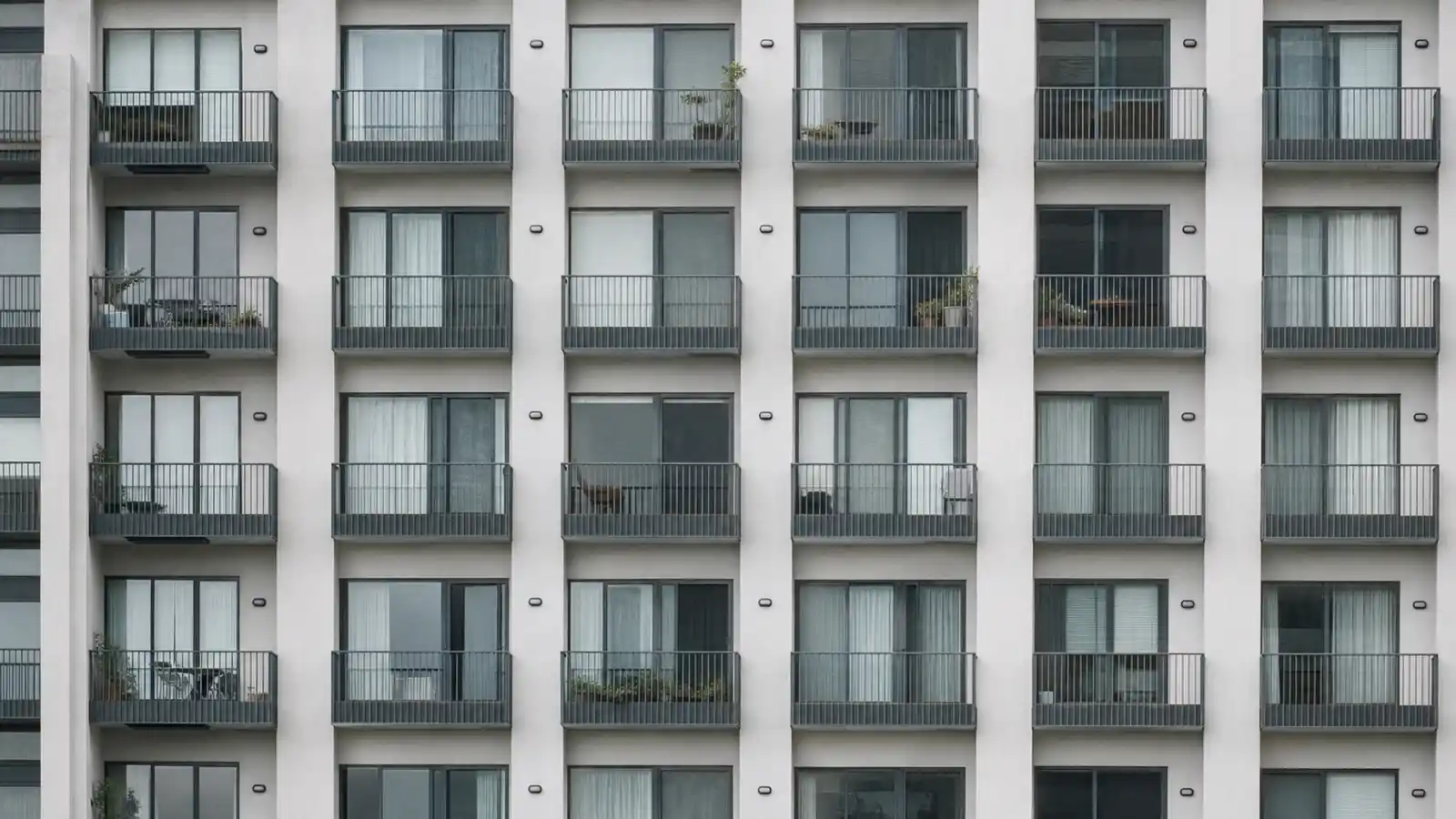
Multi Dwelling Insurance Cost
Real premiums from recent Tank placements across unit blocks, blocks of flats and walk-up flats, and the six factors that move the number for your property.
~$1.5-7.5K
Typical 2-6 Unit Blocks
8
Real Placements Shown
6
Premium Factors
~$26.1K
18-Dwelling Placement
Recognition

THE SHORT ANSWER
Most 2-6 unit blocks Tank has placed recently have landed between approximately $1,500 and $7,500 a year. Larger holdings are priced case by case; an 18-dwelling block came in at approximately $26,100.
The premium for any given block comes down to the number of dwellings, the building sum insured, the build era and any rewiring, the location, the claims history and the loss of rent limits. The table below shows real recent placements so you can benchmark your own property.
REAL PLACEMENTS
What Multi Dwelling Blocks Actually Cost to Insure
These are recent Tank placements, anonymised, with premiums rounded and shown as approximate annual figures. BSI = building sum insured. Your property will be rated on its own details.
| Block | Location | Annual premium |
|---|---|---|
| 4 units, 1940s build, BSI $2M | Sydney | approximately $4,600 |
| 4 units on one title, BSI $1.4M | Regional VIC | approximately $2,800 |
| 4 units, BSI approximately $1.65M | Sydney | approximately $5,100 |
| 3 high-value units, BSI $2.86M plus contents | Sydney | approximately $7,100 |
| 4 units, 1930s build, BSI $1.38M | Regional QLD | approximately $7,500 |
| 5 units, BSI $1M | Regional NSW | approximately $4,400 |
| 6 walk-up flats, 1950s build, BSI $1.65M | Brisbane | approximately $5,900 |
| 18 dwellings (units plus townhouses), BSI $8M | Sydney | approximately $26,100 |
Two more data points worth noting: a walk-up block in suburban Melbourne placed at approximately $2,800 a year, and recent multi-dwelling placements have gone to markets including CGU, CHU and Sure Insurance. Read the spread in the table before assuming your renewal is the market rate; two 4-unit Sydney blocks can land $500 apart, and a 1930s regional block can out-price both.
WORKED EXAMPLE
A New Duplex, Settled Before Its Strata Plan Existed
A newly completed duplex on the NSW coast needed insurance immediately so bank settlement could proceed. The complication: the strata plan was still being created. That put the property in a transitional category, finished as a building but not yet registered as a strata scheme, so a strata policy didn't exist to buy and a single-dwelling landlord policy didn't describe the risk either.
Tank tested four markets. One declined, and three quoted between approximately $3,100 and $4,800 a year, a spread of more than 50% on the identical risk. The policy was placed with Flex at approximately $3,300 a year, with the strata-plan number recorded as to be advised until registration came through.
The pricing lesson: the submission has to describe the current legal structure, not the intended one. Present a pre-registration duplex as a strata risk and you'll get quotes for a property that doesn't legally exist yet; describe it as it stands on the start date and the insurers that write transitional risks can price it properly, and the quote spread shows how differently insurers can price the same transitional risk.
BENCHMARK YOUR BLOCK
Want a premium for your block, not a range?
Send us the number of dwellings, location, approximate build year and rebuild value, and we'll come back with real terms.
PRICING FACTORS
What Moves a Multi Dwelling Premium
Six factors explain most of the spread in the table above. Here's what underwriters are weighing when they price a block.
Number of Dwellings
More dwellings means more rebuild value, more rental income to cover and more tenancies generating claims exposure. A duplex and a 12-unit block are priced very differently even in the same suburb.
Build Era and Rewiring
Older blocks attract closer underwriting. Original wiring, plumbing or roofing can add loadings or conditions; documented upgrades pull the premium the other way. Compare the 1930s regional QLD block against the newer builds in the table above.
Building Sum Insured
The single biggest lever. Premium scales with the declared rebuild cost of the whole holding, including demolition, debris removal and professional fees. Understating it saves premium and undermines every future claim.
Location
Postcode drives the natural-hazard rating: flood, bushfire, cyclone and storm exposure, plus crime rates for theft and malicious damage. Regional and northern locations can rate very differently to metro Sydney or Melbourne.
Claims History
A clean history helps the placement; recent claims get priced in. Be upfront about past losses and what's been fixed since, because a well-explained claim reads far better to an underwriter than a discovered one.
Loss of Rent Limits
The loss of rent limit should cover the block's combined rent for a realistic rebuild period, often 12 to 24 months on a larger holding. Higher limits cost more, but an inadequate limit leaves you carrying the shortfall after a major loss.
The practical point: the cheapest premium isn't the goal; the right sum insured and loss of rent limit at a fair premium is. If your block sits on one title with no strata scheme, start with our multi dwelling insurance guide, or go deeper on block of units insurance and non-strata insurance for how the cover is structured.
COST FAQS
Common Questions About Multi Dwelling Insurance Cost
RELATED COVER & GUIDES
More on Multi Dwelling Property
Want a real number for your block instead of a range? Send us the property details and we'll come back with terms.
Talk to Our Team →
Get a Multi Dwelling Insurance Quote
Real terms for your unit block, flats or townhouse row, benchmarked against placements like the ones above.