
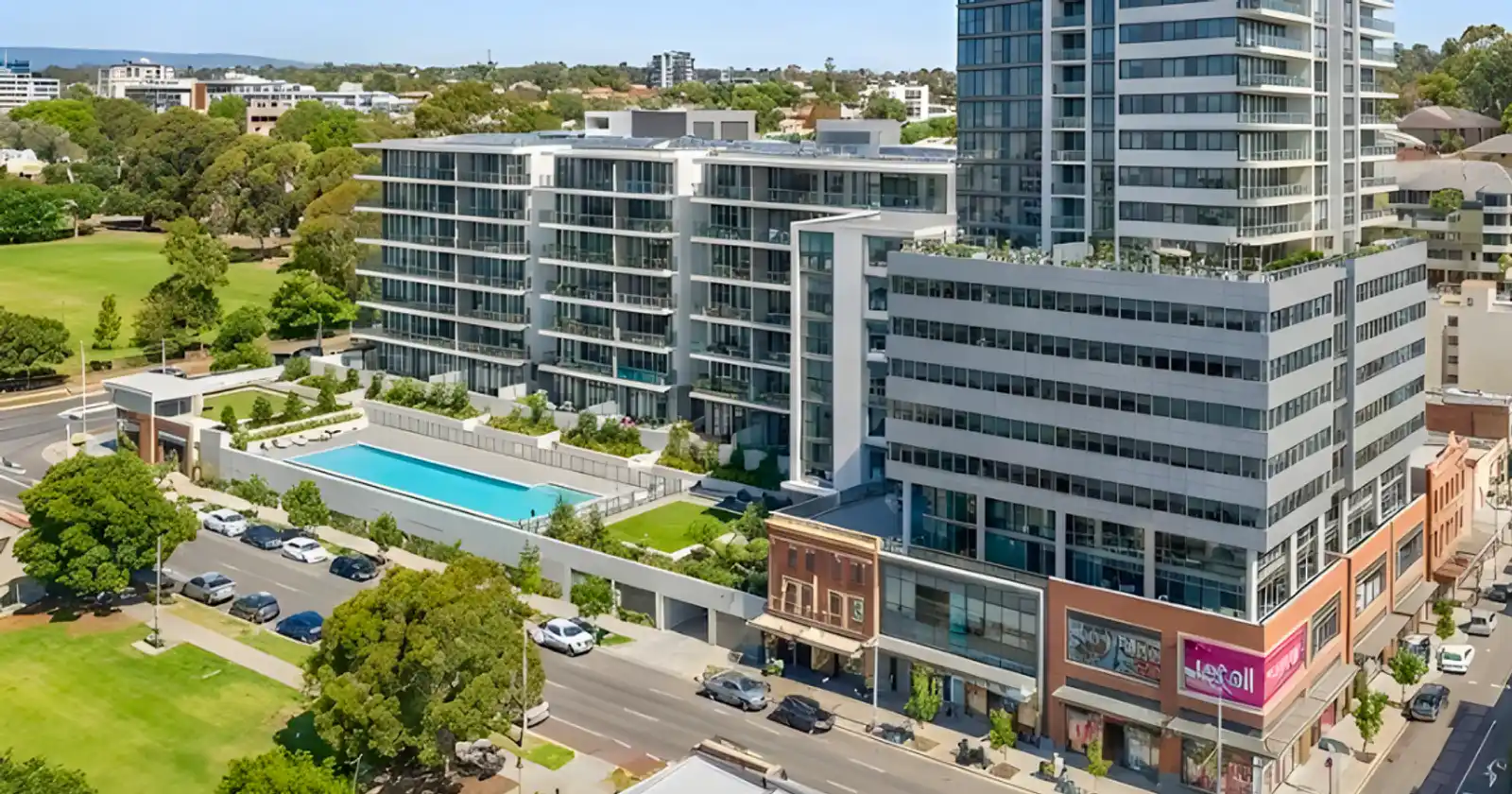
Mixed-Use Property Insurance
Did a standard insurer decline your building because of the business downstairs? You're not alone. Most mainstream insurers either do residential or commercial, not both. That's where we come in.
50+
Insurers
ISR
Specialists
Direct
Broker Access
Recognition

At Tank Insurance, we've placed cover for dozens of mixed-use properties across Australia. We know how to get these properties covered.
Versatile Coverage
Whether it's a retail shop with flats above, a cafe with a single residence on the top floor, or a larger block with multiple tenants and commercial space at street level. If your building is purely residential, you may need landlord insurance instead. If it's strata-titled, see our mixed-use strata insurance page.
Our Expertise
We specialise in securing insurance for properties that mainstream insurers often find difficult to place, ensuring your entire asset is protected under one roof.
"When it comes to mixed-use properties, as soon as residential makes up more than 49% of the building, we're limited with who we have access to as brokers. That said, we still have specialist markets - and this is where we're getting enquiries and winning placements."
MARKET GAP
Why Mixed-Use Properties Get Declined
COVERAGE SCOPE
What We Cover
We secure tailored protection for the unique combination of commercial and residential risks under one roof.

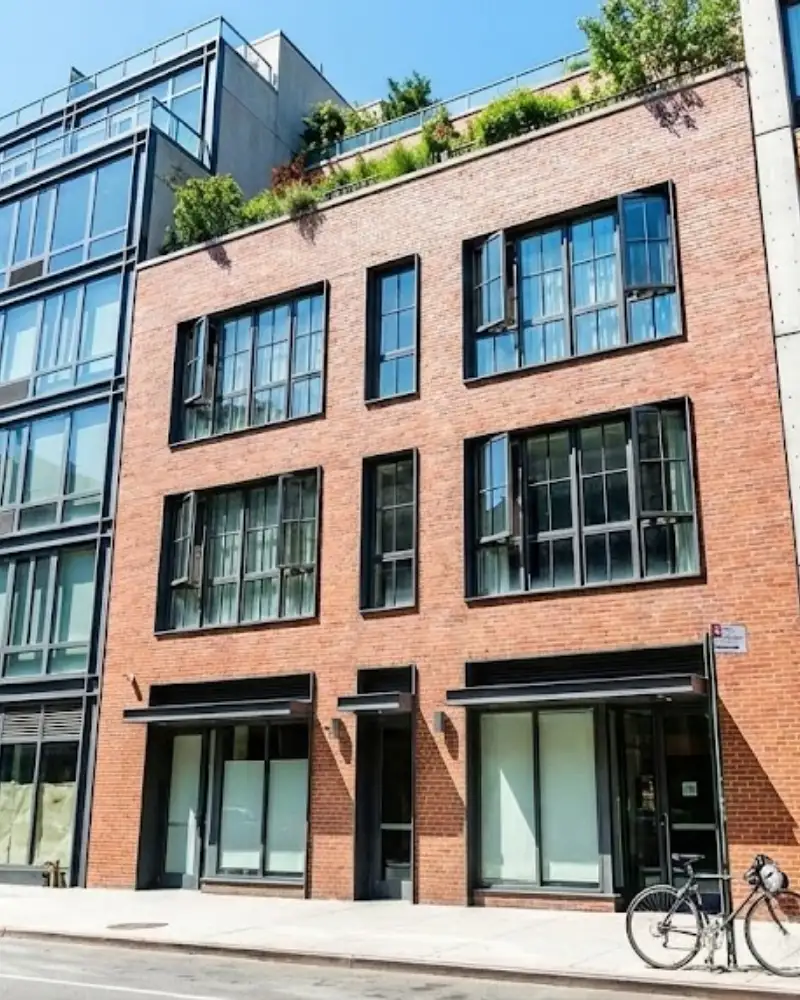
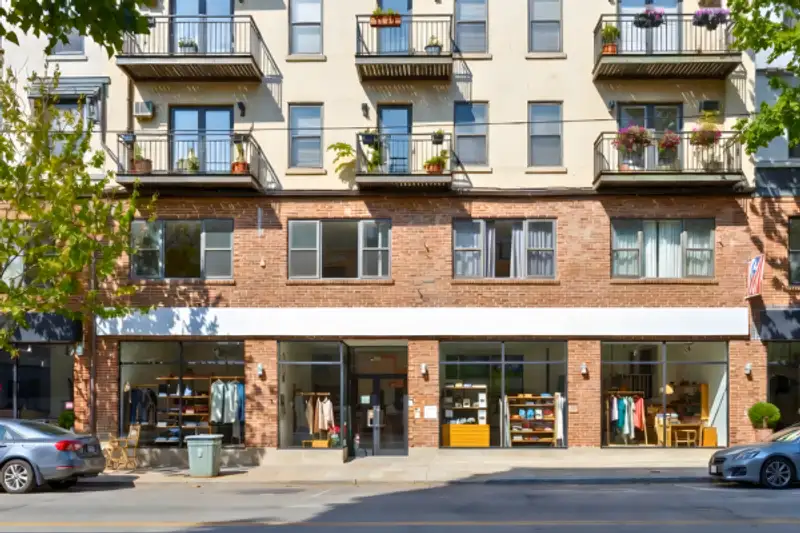
Retail, office, or hospitality on the ground floor with residential above. This is the most common type of mixed-use property we see.
Cafes, restaurants, and takeaways are no problem. We work with underwriters who have appetite for food businesses, including commercial kitchens.
We can cover the building, loss of rent, and liability for both the commercial and residential portions under a single policy where possible.
For properties valued over $5M, or where standard business packs aren't suitable, we have access to Industrial Special Risks (ISR) markets.
THE TANK SUBMISSION
How We Get Cover for Higher-Risk Properties
Risk Presentation
We highlight fire safety measures like sprinklers, extinguishers, and fire blankets to insurers.
Cooking Standards
We detail deep frying and commercial cooking setups to secure better terms for food-based sites.
Security Protocols
Full mapping of CCTV, alarms, and external lighting to satisfy underwriter requirements.

"We see the best terms come from specialist underwriting agencies as opposed to the main insurers for mixed-use. We have great relationships with underwriters and are regularly on the phone discussing risks and negotiating terms that are outside of the box. Not something you get from an online portal or regular insurers - this is the power of an insurance broker."
POLICY INCLUSIONS
What Mixed-Use Property Insurance Covers
A comprehensive policy that protects your physical asset and your income streams.


Usually Covered
Not Typically Covered
This is a general guide only. What is and isn't covered depends on the terms, conditions, limits and exclusions of your specific policy.
COMPLEX ASSETS
High-Value or Hard-to-Place Properties
Broader Limits
ISR policies are designed for larger assets with higher limits than standard business packs.
Specialist Markets
Access to underwriters like Pen, AXIS, and The Barn who focus on complex commercial assets.
Separate Liability
We ensure both your asset and your liability are covered properly, as ISR usually handles the asset only.
RISK FACTORS
Key Considerations for Mixed-Use Owners
Insurers look at several key factors when assessing a mixed-use property. Understanding these helps in securing better terms.
REAL PLACEMENTS
How We've Placed Mixed-Use Properties
These are real placements we've made for mixed-use property owners across Australia. Every building had been declined by multiple insurers before coming to us.
Premiums and outcomes described are specific to each client and indicative only. Your own terms will depend on your circumstances and the insurer.
SUPPORT
Frequently Asked Questions
Residential tenants should have contents insurance for their personal possessions. Commercial tenants should have public liability and typically glass cover as well, which is often required by the lease.
Tenant Changes: If your commercial tenant changes their business (e.g., retail to takeaway) without notifying the insurer, it can void your cover.
Vacancy: Commercial vacancy clauses are often stricter than residential ones. If your shop sits empty for too long, cover may be restricted.
Flood vs Water: In Australia, flood (rising water from a watercourse) is treated differently to escape of liquid. Flood cover is often an optional add-on.
For the residential portion, loss of rent is usually covered if the apartment becomes uninhabitable due to an insured event like fire or storm.
For the commercial portion, you typically need business interruption or a specific loss of rent extension. This protects your income if your commercial tenant can't operate and therefore can't pay rent.
Get Cover for Your Mixed-Use Property
If you've been declined elsewhere, have a tenant outside standard insurer appetite, or just want to make sure your property is properly covered, get in touch.