
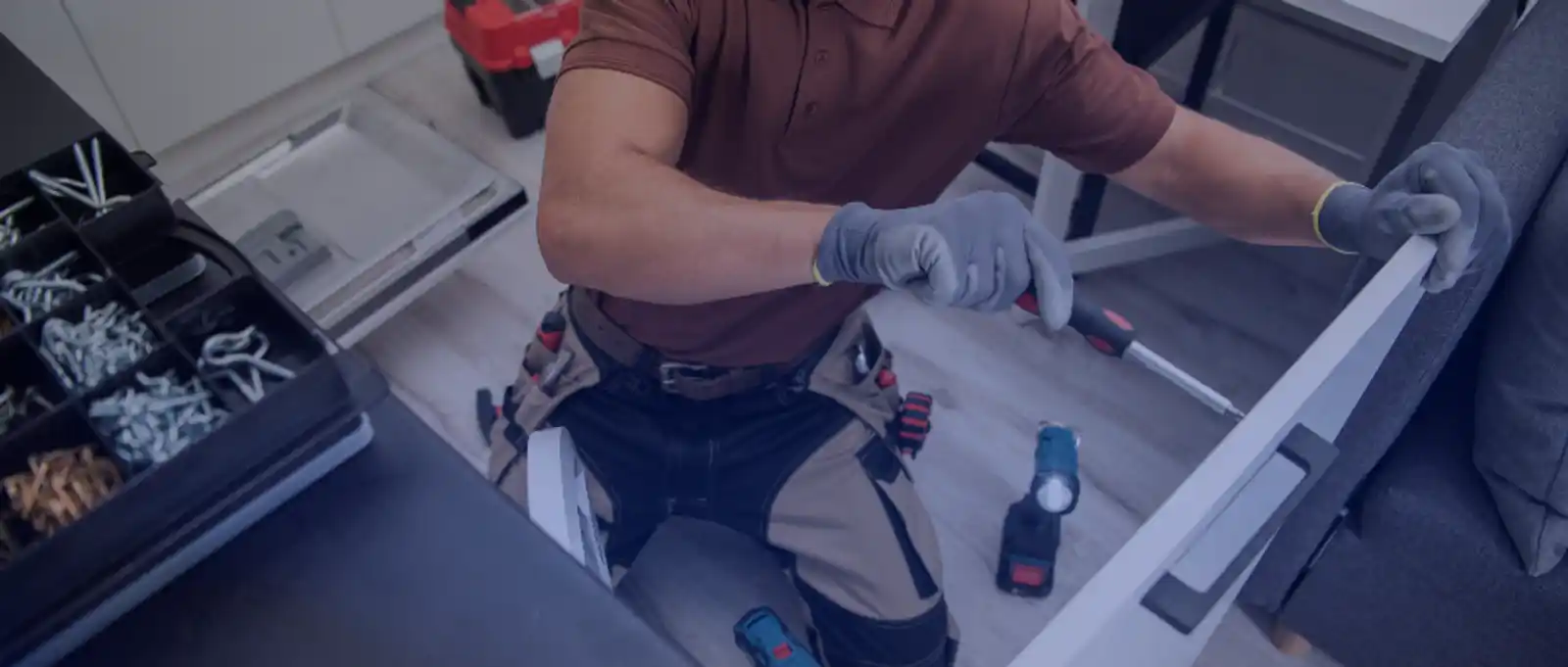
Handyman Insurance
Whether it’s fixing a leaky tap, painting a room or assembling furniture, get the job done with Handyman Insurance. Questions? Call us now on 02 9000 1155
100%
Australian Owned
24h
Typical Turnaround
Direct
Broker Access
Recognition

Access to Australia's leading insurers and underwriting agencies, including:













Professional Risk
As a handyman, you're out there every day working on different projects. While you're focused on the job, we focus on the risks.
Everyday Exposure
From small home repairs to larger commercial jobs, things can go wrong. A client might trip over your toolbox or you could accidentally damage a wall. Without the appropriate insurance, these mishaps could cost you thousands.
Peace of Mind
Handyman Insurance gives you the freedom to deliver quality work without worrying about financial risks. We handle the technical placement so you can get back to what you do best.
RISK ARCHITECTURE
What Does Handyman Insurance Cover?
Handyman Insurance covers a range of risks that handymen face in their day-to-day work. It usually covers:
Covers accidental damage to a client’s property during your work.
Covers injuries to clients, their visitors or passersby caused by your work, handling compensation and legal expenses.
Protects your tools and equipment from theft, accidental damage or loss whether on-site, in your van or in storage. However, remember that theft claims often require evidence of forced entry (e.g., a broken lock).
Covers you if you’re injured (on or off the job) or fall ill and can’t work, providing income support or medical expense coverage.
Covers your work vehicle (e.g., van or ute) if it’s damaged in an accident, stolen or vandalised.
Covers financial losses from cyber attacks, such as hacking of your invoicing systems or data breaches involving client information.

Who Should Get Handyman Insurance?
Sole Traders
Self-employed handymen doing general repairs, painting or assembly need coverage for liability and tools, especially since they bear all financial risks.
Small Business Owners
Handymen with employees or subcontractors need insurance to cover workplace incidents and meet client requirements.
Specialised Tradespeople
Those doing minor electrical, plumbing or carpentry work require policies that account for higher-risk tasks.
Contractors for Property Managers
Many Australian real estate agencies or property managers require insurance before hiring.
Any Handyman Using Digital Tools
If you handle client data online, say, through booking or invoicing software, adding Cyber Insurance is increasingly important due to rising cyber threats.
Handyman Insurance gives you peace of mind, letting you focus on your work without worrying about financial risks.
RISK ANALYSIS
Some Risk Scenarios
Here’s why Handyman Insurance can be a smart choice:
A handyman was removing bathroom tiles when he accidentally hit a water pipe, causing a leak that damaged the apartment below. Handyman Insurance can cover repair costs, including the pipe, ceiling and damaged items.
A handyman’s van was broken into and $3,000 worth of tools were stolen. The Tool Insurance tied to the Handyman Insurance can cover the replacement costs, so he can get back on the job without delay.
A sole trader sprained his wrist in an off-the-job accident and couldn’t work for six weeks. Handyman Insurance can provide income support, helping him pay bills during recovery.
A handyman was removing bathroom tiles when he accidentally hit a water pipe, causing a leak that damaged the apartment below. Handyman Insurance can cover repair costs, including the pipe, ceiling and damaged items.
A handyman’s van was broken into and $3,000 worth of tools were stolen. The Tool Insurance tied to the Handyman Insurance can cover the replacement costs, so he can get back on the job without delay.
A sole trader sprained his wrist in an off-the-job accident and couldn’t work for six weeks. Handyman Insurance can provide income support, helping him pay bills during recovery.
How We Insure Handyman Businesses
We place handyman insurance for sole traders, small teams, and property maintenance contractors across Australia. The typical setup is public liability bundled with tools of trade cover, which protects both your work and your gear in a single policy.
For handymen who also do minor trade work like basic plumbing or painting, we make sure the policy wording covers those activities. If your work extends into licensed trades like electrical or structural work, you'll need a builder's insurance policy instead.
We also arrange commercial motor insurance for work vehicles, which most handymen need alongside their liability cover. If you're working for property managers or real estate agents who need a certificate of currency before you start, we can usually turn those around same day.
If you've been quoted too high or declined because of the type of work you do, talk to us. We have access to trade specialist insurers who understand the handyman sector and can often find cover where others can't.
KNOWLEDGE BASE
Frequently asked questions
Get the Right Cover for Your Handyman Business
Call us on 02 9000 1155 or get a quote online. We'll ask the right questions and find you cover that actually works for your trade.