
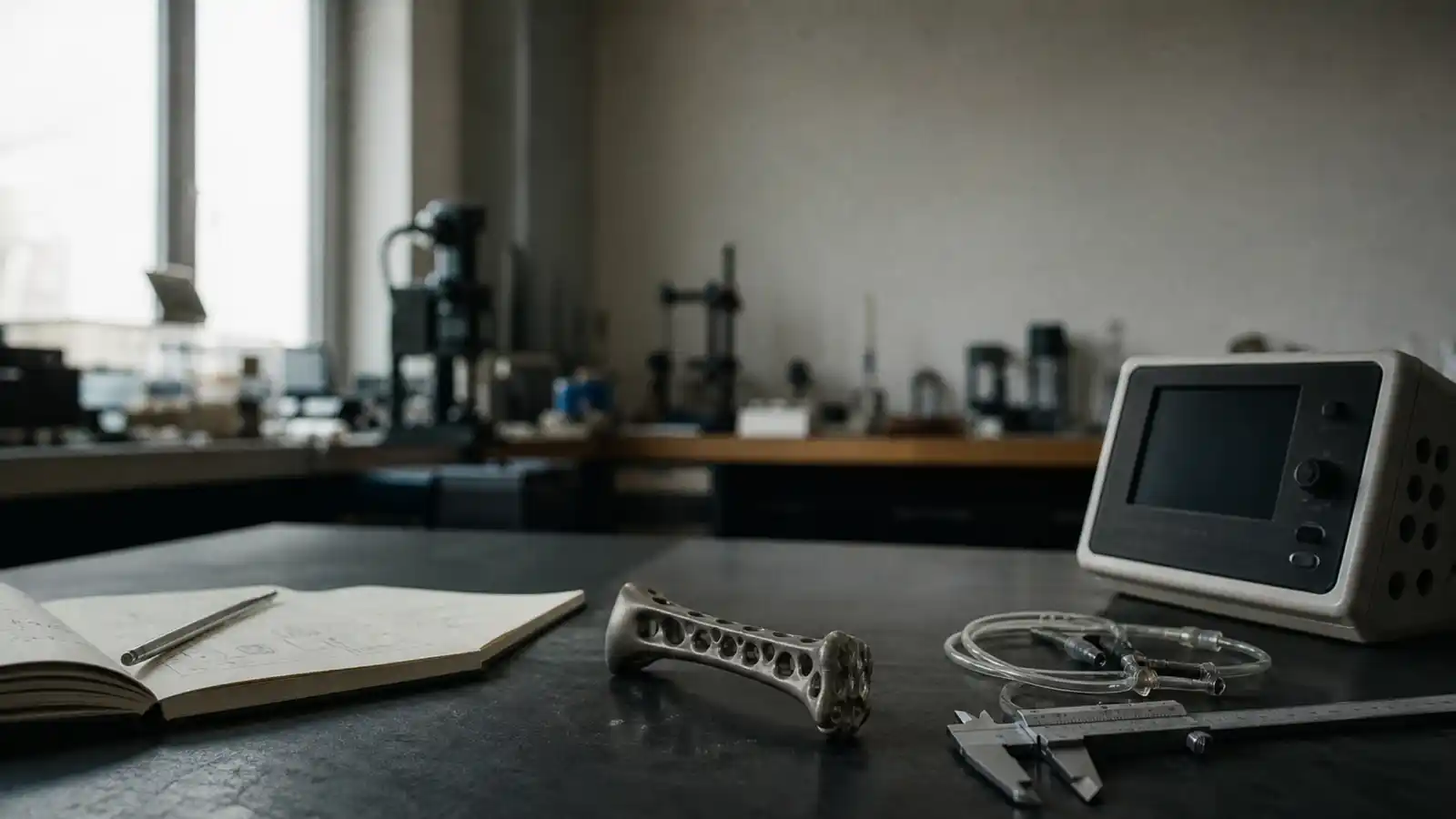
Professional Indemnity vs Products Liability
The correct answer follows the alleged failure: professional work, a supplied product, or both. Many life sciences businesses need both covers because one project can contain advice, design and physical supply.
Specialist
Market access
Hard-to-place
Our focus
Australia
National broking
Recognition

The Tank take
Professional indemnity generally addresses allegations arising from declared professional services, while products liability generally addresses bodily injury or property damage associated with a product. Many life sciences businesses need both because one project can contain advice, design and physical supply.
Definitions vary between wordings. A repaired or serviced item can be treated as a product under some policies, while design work may sit under professional services. Tank compares the schedule, definitions, exclusions, contracts and workflow to identify where PI ends and product exposure begins. The distinction runs through every placement on our life sciences insurance hub, from consultants to importers.
Two covers, two different questions
Classify the exposure by the activity performed, the loss alleged and the policy trigger, not by what the business calls itself.
Did professional work cause a loss?
Responds to allegations that declared professional services - advice, design, analysis, validation, specification, project work - caused a client's loss. Claims-made cover, so the retroactive date and continuity matter. The core loss is usually financial, though some specialist wordings can address injury arising from professional services.
Did a product cause injury or damage?
Responds to specified third-party bodily injury or property damage associated with a product after it leaves the insured's custody or control. Manufacture is not required: importing, branding, supplying, installing, repairing or servicing an item can each create the exposure, depending on the wording.
Four scenarios that show where the boundary sits
The same business can generate all four in a single year.
A consultant's incorrect analysis, validation or specification leads a client to waste development spend. No one is injured and no property is damaged. This points first toward professional indemnity.
A supplied, installed or repaired item fails in use and a person is hurt or property is damaged. This is the classic products liability pathway, and the claim will follow the product back through the supply chain.
The same design error can create a PI allegation from the client who paid for the design, and later contribute to a product claim when the manufactured item injures a user. This is why device designers often need both sections aligned.
If someone in the business diagnoses, treats or exercises patient-specific judgement, the allegation may fall under medical professional liability rather than ordinary PI. See our guide to the medical malpractice boundary.
The grey zones that decide real claims
Repair and servicing is the most common grey zone. Some specialist wordings expressly include items the insured has repaired, serviced, altered, maintained or tested within the Product definition once they leave custody or control. A business that "just services equipment" can carry a genuine product exposure without knowing it.
Recall is the second trap. Products liability responds to third-party injury or damage; the cost of withdrawing a suspect product is normally a separate product recall extension with its own trigger and sublimit.
The practical test we apply: list every professional and physical activity, map the loss each one could cause, then read the Professional Services and Products definitions against that list. Gaps show up quickly when the comparison is done activity by activity rather than policy title by policy title.
Related life sciences guides
Explore cover by business activity
Questions about PI vs Products Liability
They are often combined in one section, but products liability concerns products after they leave your control while public liability commonly concerns other third-party injury or property damage events, such as site visits or premises risks.
Some specialist PI sections may address injury arising from professional services, but this cannot be assumed. The wording and the interaction with other liability sections must be checked.
Potentially. Design advice can create a professional exposure, while injury or property damage caused by the resulting product can create a product exposure. Device designers commonly carry both, aligned in one submission.
Not automatically. Product recall is normally a separate extension or section with its own trigger, sublimit and covered-expense definition.
General information only. This page does not take account of your objectives, financial situation or needs and is not legal advice. Cover depends on the insurer, policy wording, limits, excesses, exclusions and information disclosed. Read the relevant policy documents and obtain professional advice before deciding.
Put your life sciences risk in front of the right markets
Tell us what you research, build, test, supply or operate, plus any overseas exposure. We will explain the available terms and exclusions before you decide.