
Biomedical Device Design, Repair & Servicing
A business does not need to manufacture a device to inherit meaningful product and patient-safety exposure. Design, installation, repair, servicing and testing each carry their own liability path.
Specialist
Market access
Hard-to-place
Our focus
Australia
National broking
Recognition

The Tank take
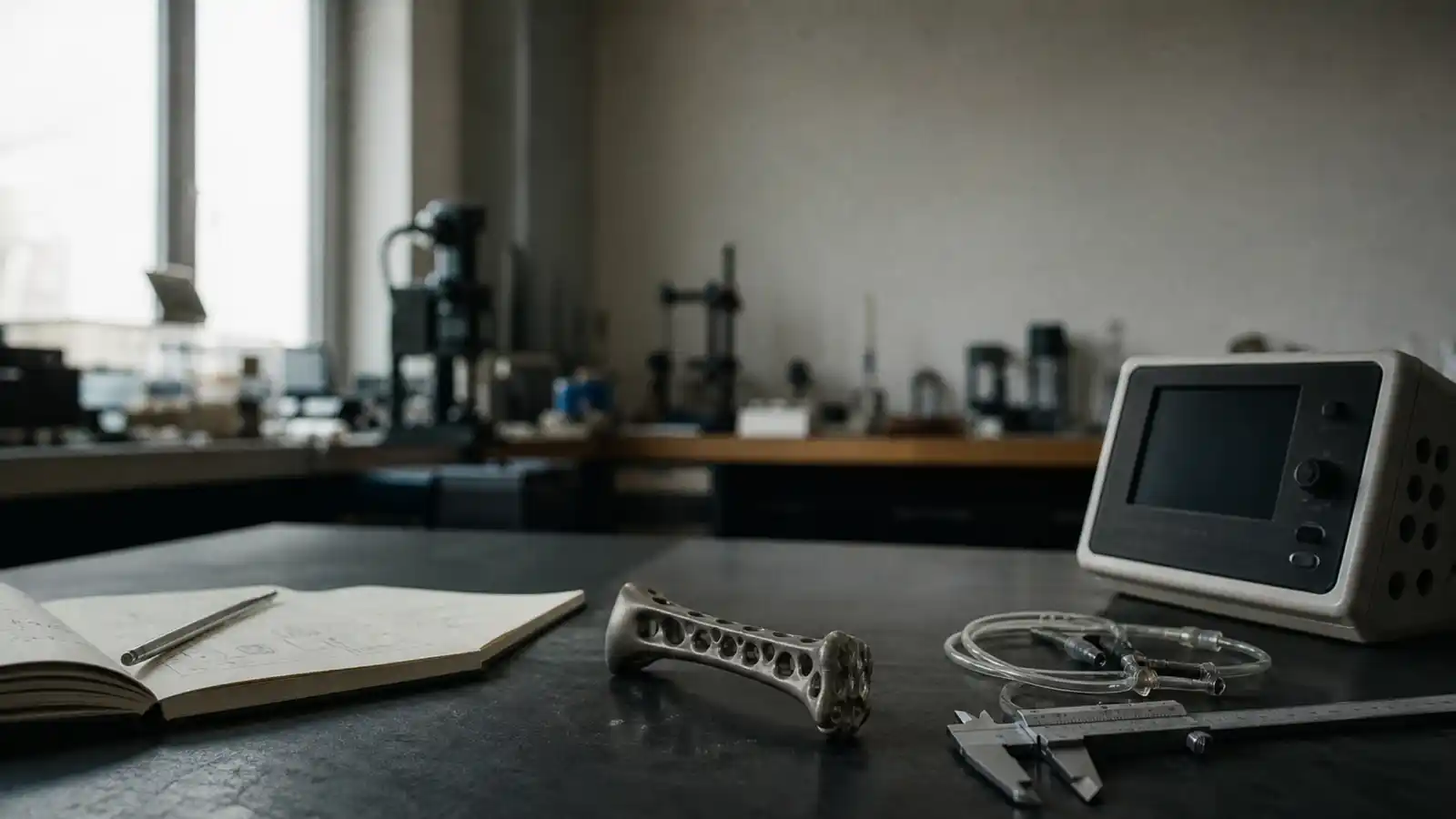
Designing, installing, repairing, servicing, altering, maintaining or testing biomedical equipment can create professional and products liability exposures. Some specialist wordings expressly include serviced or repaired items within the Product definition after they leave custody or control.
Underwriters examine device type and criticality, who approves return to service, test records, manufacturer instructions, spare parts sourcing, contracts, customer types and whether work occurs in operating theatres or other clinical settings. The severity story lives in those details. This page sits under our life sciences insurance hub, where the wider cover stack for device businesses is set out.
Is surgical instrument servicing PI, products liability or both?
Take a business that repairs and sharpens reusable surgical instruments. It manufactures nothing. Yet once a serviced instrument is returned to the hospital, some policy wordings treat it as the servicer's Product - so a patient injury traced to a servicing error can arrive as a products liability claim.
If the same business also advises on instrument selection, specifies reprocessing procedures or signs off equipment as fit for use, that advice layer is a professional indemnity exposure sitting alongside the product one.
The wording creates the product, not the marketing label. That is why we test both the PI and products definitions against the actual workflow before recommending a structure.
What moves the risk up or down
The severity changes with device criticality, return-to-service authority and whether an error can directly affect diagnosis, treatment or life support.
Life-support, diagnostic and surgical equipment carries higher injury severity than non-clinical laboratory equipment. Underwriters price the worst realistic failure, not the average job.
The person who tests, certifies or releases equipment accepts a distinct professional responsibility. Documented checklists and clear sign-off authority are underwriting evidence, not paperwork.
Non-original components, firmware changes and alterations can weaken recourse against the manufacturer and change regulatory duties. OEM versus independently sourced parts is a standard question.
Customer equipment in the workshop, in transit or awaiting service may need care, custody and control extensions or a property solution - ordinary liability often restricts property in your care.
The records underwriters expect to see
A servicing business that can produce these quickly presents as a controlled risk.
- 01
Which device categories and risk classes are serviced?
- 02
Is work performed to manufacturer instructions and documented checklists?
- 03
Who signs off and releases each device back to the customer?
- 04
Are parts OEM, approved or independently sourced, and how is that traced?
- 05
Is installation, calibration, electrical testing or software work included?
- 06
What contracts, warranties, recourse rights and customer insurance limits apply?
Check the current Australian guidance
Regulatory obligations sit outside your insurance policy. These official sources are the starting point.
External government and industry sources. Tank Insurance is not responsible for their content; confirm current requirements with the relevant body.
Related life sciences guides
Explore cover by business activity
Questions about Design, Repair & Servicing
It can be. Some policy definitions include products that the insured repairs, services, alters, maintains or tests once they leave custody or control. The wording decides, so it needs to be read against your workflow.
Not automatically. Contracts, indemnities and fault allocation matter, and the repairer needs cover for its own work. Modifying or servicing outside manufacturer instructions can also weaken recourse.
Service histories, technician qualifications, calibration and test records, parts traceability, sign-off procedures, complaints and incident history are commonly requested.
Ordinary liability may restrict property in the insured's care, custody or control. A suitable extension or property solution may be needed for customer equipment being serviced, stored or transported.
General information only. This page does not take account of your objectives, financial situation or needs and is not legal advice. Cover depends on the insurer, policy wording, limits, excesses, exclusions and information disclosed. Read the relevant policy documents and obtain professional advice before deciding.
Put your life sciences risk in front of the right markets
Tell us what you research, build, test, supply or operate, plus any overseas exposure. We will explain the available terms and exclusions before you decide.