
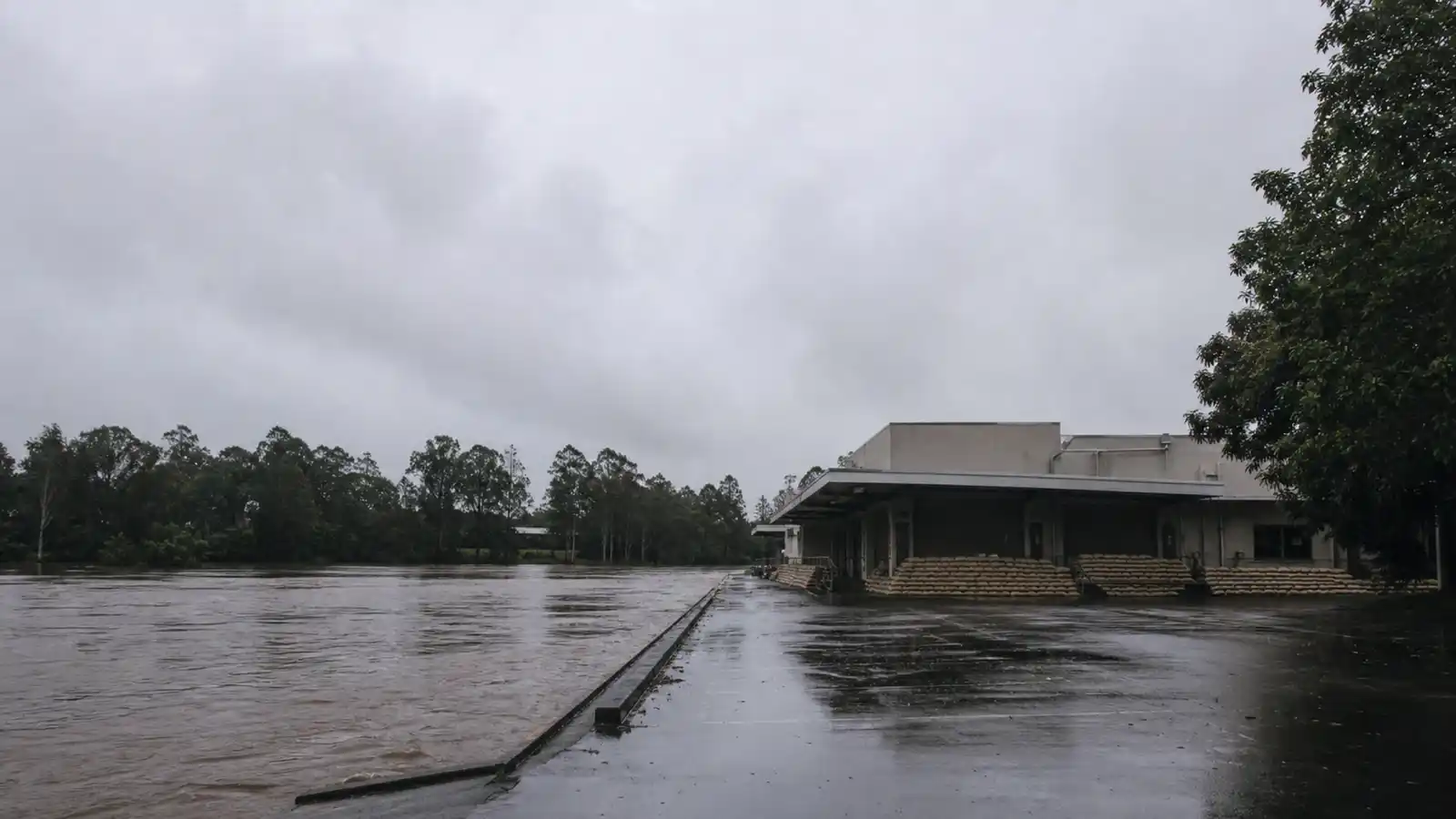
Landlord Insurance for Flood-Zone Property
A rental in a flood zone can usually still be insured. What changes is the market, the flood excess, and whether flood is included, optional or excluded. We work out which of those you're looking at before anything is bound.
3
Ways flood shows up in a policy
$2-4.1K
Recent annual premiums
~6x
Highest vs lowest quote, one WA property
Recognition

THE SHORT ANSWER
A rental property in a flood zone can usually still be insured. What changes is the market, the flood excess, and whether flood cover is included, optional or excluded. Insurers rate flood at the address using flood mapping, elevation and claims history, and Tank places flood-mapped rentals with mainstream and specialist markets depending on the flood study and the history.
This page is about residential rental property: houses, dual keys and small blocks of units owned by landlords. For a shop, warehouse or office at a flood-exposed address, see our flood-zone commercial property page. For what the word flood means in an Australian policy, the flood insurance glossary entry has the definition.
01HOW INSURERS RATE THE ADDRESS
Six Things That Decide What Flood Does to Your Premium
Flood is rarely rated on the suburb alone. It's rated on your lot, your floor level and your history, which is why the evidence you send changes the answer.
The Address, Not the Suburb
Insurers rate flood at address level using flood mapping, elevation data, distance to the watercourse and modelled return periods. Two houses on the same street can be rated differently, so a postcode-level assumption about your suburb can be wrong in either direction.
Flood Study and Overlay
A council flood study, flood overlay or flood certificate tells the underwriter the modelled flood level at your lot and how often it is expected. Sending it with the enquiry replaces the insurer's own estimate with the council's evidence, which usually helps.
Elevation and Construction
A house elevated above the modelled flood level, on stilts or a raised slab, is rated differently to one at ground level. Construction matters too: masonry that can be washed out and dried is a different repair to lined stud walls that have to be stripped.
Prior Claims and Prior Flooding
A previous flood claim, or a known inundation at the address even without a claim, is usually priced in. So are the mitigation works done since: raised services, flood-resilient fit-out, drainage and levee works. Tell us both halves of that story.
Riverine Versus Stormwater
Some addresses are exposed to river flooding, some to overland stormwater flow, some to both. Insurers treat these differently because the policy definitions differ. The flood study usually says which applies to your lot.
Whether Flood Is Included, Optional or Excluded
Most home and landlord policies include flood as standard, though some insurers offer it as an option or exclude it at particular addresses. On a flood-mapped address, an insurer may include it at a higher premium and flood excess, offer it as an option, or exclude it. Which of the three you end up with is the decision this page is about.
FLOOD-ZONE QUOTE
Find out whether flood is in, optional or out for your address
Send us the address, the flood certificate or overlay if you have one, and the sum insured. We'll come back with the flood-inclusive and flood-excluded options side by side, where both are available.
02WHEN FLOOD IS EXCLUDED
Three Ways a Flood-Zone Rental Gets Insured
When an insurer flags flood at your address, the placement lands in one of three places. Which one is right depends on where the floor sits against the modelled flood level, whether the property has flooded before, and what the flood-inclusive premium actually costs against the flood-excluded one.
Our job is to put those numbers side by side, from more than one market, so the decision is made with the flood study and the premiums in front of you rather than by accepting whatever the first quote defaulted to.
Loss of rent follows the same logic. It responds to insured damage, so it pays after a flood only where flood is on the policy. With flood excluded it still responds to storm, fire and the other insured events. Our loss of rent glossary entry covers how the limit works.
-
Flood included, higher excess
The insurer keeps flood in the policy and applies a separate flood excess, sometimes several thousand dollars, alongside a higher premium. You carry the first part of a flood loss and the insurer carries the rest. This is the trade-off owners weigh where the modelled flood level is close to floor level.
-
Flood excluded, everything else covered
The policy covers fire, storm, escape of water, theft, liability and loss of rent, with flood removed. Some owners choose this deliberately when the flood-inclusive premium runs to several times the excluded figure and the property sits above the modelled level. It is a decision to make knowingly, not by default, with the flood study, the PDS and both premiums in front of you.
-
Specialist market with flood
Where mainstream insurers exclude flood or decline the address, specialist markets can write it with flood included, priced to the flood study and the mitigation. This is usually the route for a property that has flooded before or sits inside the mapped extent.
What it costs: Recent Tank placements for rental property at flood-mapped addresses have landed between approximately $2,000 and $4,100 a year, several of them with flood excluded or at a higher excess. Other quotes on the same property can run to several times that figure. Your property will be rated on its own details. See the landlord insurance cost guide for the wider picture.
CLIENT SUCCESS
Flood-Mapped Addresses: How These Rentals Actually Get Placed
Recent Tank placements, anonymised. Premiums are approximate gross figures and reflect each risk at the time - not a guide to future pricing or turnaround. A fourth example, an investor's rental in a high flood area of Queensland, sits on our landlords hub.
Premiums and outcomes described are specific to each client and indicative only. Your own terms will depend on your circumstances and the insurer.
FLOOD-ZONE FAQS
Common Questions About Landlord Insurance in a Flood Zone
RELATED COVER & GUIDES
More on Flood and Landlord Cover
Insurer removed flood at renewal, or settling on a flood-mapped address? Send us the details and we'll map the options.
Talk to Our Team →
Get a Flood-Zone Landlord Insurance Quote
Send the address, the flood certificate if you have one and the sum insured. Where both are available, we'll come back with flood-inclusive and flood-excluded terms so you can choose with the numbers in front of you.