
Winery Insurance
Cover for the tanks, barrels and equipment, the wine at every stage from crush to bottle, the cellar door pouring it, and the income that hangs on a single vintage window each year.
PL + Property
Core Package
Vintage
BI Timed Around It
Liquor
Cellar Door Liability
Recognition

THE SHORT ANSWER
Winery insurance combines property cover for tanks, barrels and production equipment with stock cover for wine from crush to bottle, public and product liability for the cellar door and the wine you sell, and business interruption structured around vintage.
What makes a winery different is concentration: a year's production can sit in tank at once, the wine's value moves as it matures, and the calendar decides how bad a loss really is. Cover that ignores those three things can fall well short when it's tested.
Estate wineries, contract winemakers, urban wineries and producers who buy fruit in. Whether you crush ten tonnes or a thousand, the same three questions apply.
What's the wine worth right now, what happens if vintage is interrupted, and who's on site tasting it. Those three answers shape the sums insured, the interruption cover and the liability sections.
If the cellar door runs functions, weddings or a restaurant, see our cellar door insurance page for the venue side. For the wider package, our business insurance brokers page is the place to start.
CORE COVER MIX
Cover built around a working winery
A winery programme is assembled from the sections below, sized to your equipment, your stock through the year and your cellar door. All cover is subject to policy terms, limits and exclusions.
Property
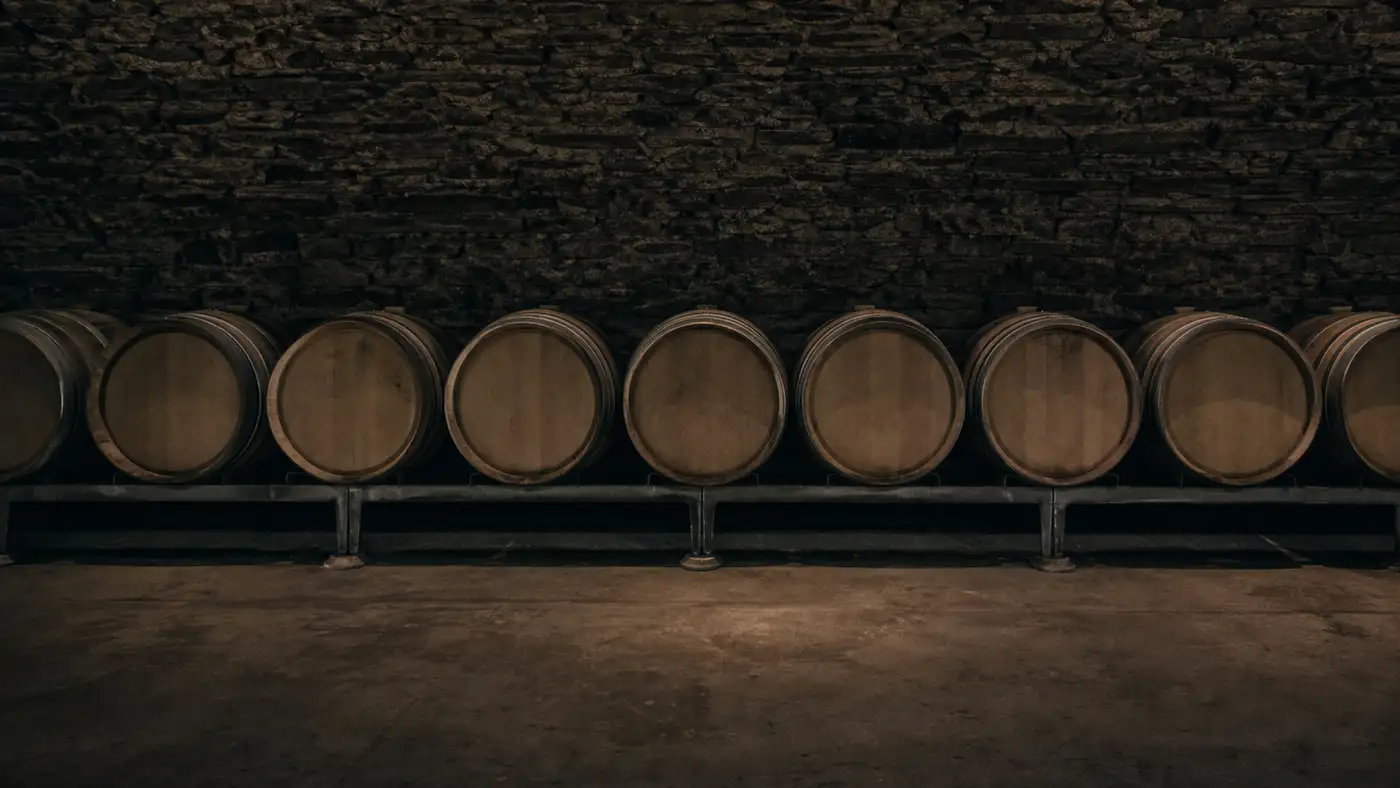
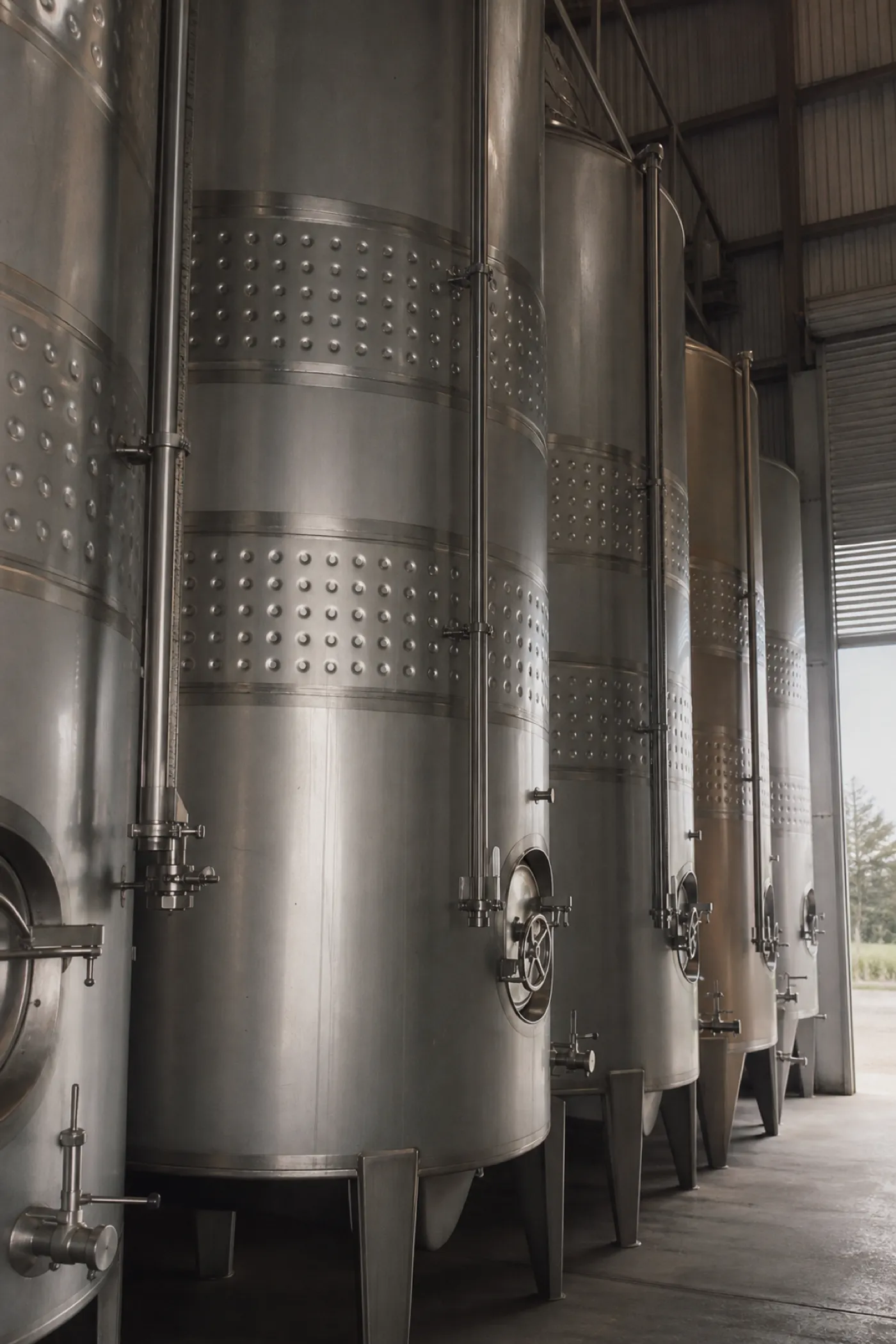
Winery buildings, presses, tanks, barrels and production equipment against fire, storm and other insured damage.
Stock
Wine in tank, barrel and bottle, plus packaging and dry goods, with a basis of settlement that recognises value gained toward release.
Public & Product Liability
Cellar door visitors, tastings and events, plus the wine you bottle and sell, with liquor liability specifically addressed.
Business Interruption
Income while the winery can't process or sell after insured damage, with the indemnity period timed around vintage.
Property
Winery buildings, presses, tanks, barrels and production equipment against fire, storm and other insured damage.
Stock
Wine in tank, barrel and bottle, plus packaging and dry goods, with a basis of settlement that recognises value gained toward release.
Public & Product Liability
Cellar door visitors, tastings and events, plus the wine you bottle and sell, with liquor liability specifically addressed.
Business Interruption
Income while the winery can't process or sell after insured damage, with the indemnity period timed around vintage.
POLICY SCOPE
What Winery Insurance Covers
The sections a winery programme is built from, and the details that decide whether a claim actually pays.
Usually Covered
Not Typically Covered
This is a general guide only. What is and isn't covered depends on the terms, conditions, limits and exclusions of your specific policy.
WHY WINERIES ARE DIFFERENT
The Exposures That Set a Winery Apart
Three things separate a winery from a generic business package, and each one shapes how the programme is structured.
Vintage concentration. For a short window each year, most of your production sits on site at once. An insured event during crush can cost a full vintage, so sums insured and business interruption need to be set against that peak, not an average month.
Stock whose value keeps moving. Juice, wine in barrel and bottled stock ready for release are worth very different amounts. If the policy settles at cost price, a finished-wine loss undershoots badly. Get the basis of settlement in writing.
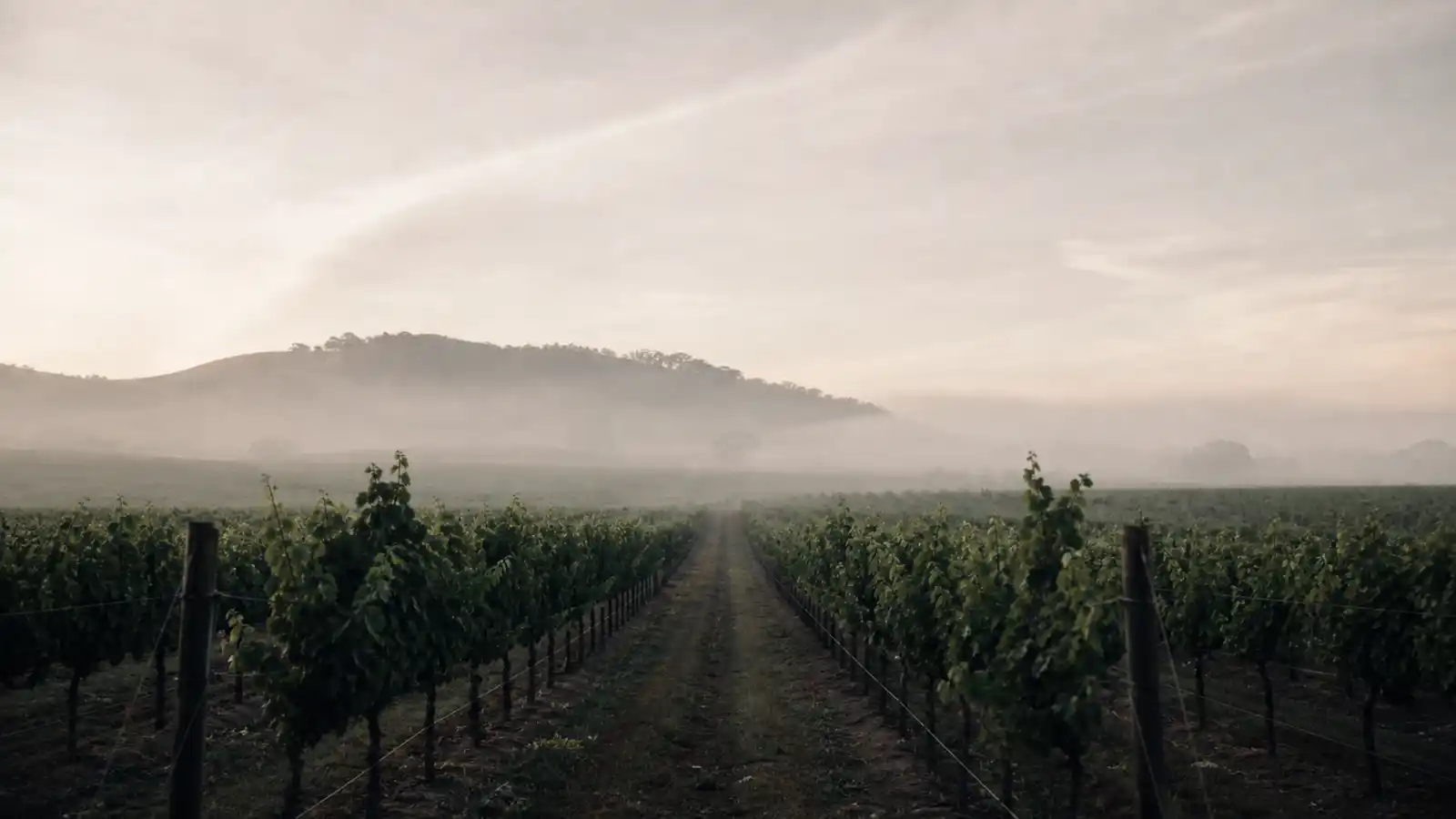
Weather and smoke next door. Bushfire smoke and severe weather can hit wine regions hard. What's covered depends on whether the damage hits fruit on the vine, wine in tank or the buildings themselves, so map each scenario with your broker before the season, not after.
Vintage concentration. For a short window each year, most of your production sits on site at once. An insured event during crush can cost a full vintage, so sums insured and business interruption need to be set against that peak, not an average month.
Stock whose value keeps moving. Juice, wine in barrel and bottled stock ready for release are worth very different amounts. If the policy settles at cost price, a finished-wine loss undershoots badly. Get the basis of settlement in writing.
Weather and smoke next door. Bushfire smoke and severe weather can hit wine regions hard. What's covered depends on whether the damage hits fruit on the vine, wine in tank or the buildings themselves, so map each scenario with your broker before the season, not after.
WHAT WE SEE IN PRACTICE
When one occupation label has to stretch across a whole property
A situation we have encountered involved an eight-acre vineyard that grew its own grapes but had the winemaking done offsite under contract. The property also carried a cellar door, a house, a tractor and sprayer worth about $100,000 combined, and approximately $250,000 of finished wine stored in an underground concrete bunker.
One market declined the combined vineyard/winery occupation outright, and Tank did not complete a placement for the risk. The exercise still showed why these risks stall: a generic occupation category, especially through online channels, may simply have no way to hold growing operations, contract winemaking, cellar-door liability, farm machinery, a residence and high-value stored wine at once.
Each of those is a distinct exposure with its own questions. The workable approach is to map them separately, describe each one on its own terms and place the package accordingly, rather than pushing the whole property through a single winery label and hoping it stretches.
WINERY FAQS
Common Questions About Winery Insurance
RELATED COVER
More for Craft Beverage Producers
Tell us what's in tank, what's in barrel and how the cellar door runs. We'll structure cover around your vintage, not a generic template.
Talk to Our Team →
Cover the Vintage, Not Just the Shed
Tanks, barrels, bottled stock and the cellar door, structured around the weeks each year when everything is on site at once.