
Distillery Insurance
Cover built around what a distillery actually holds: stills and production equipment, spirit maturing in barrel, a liquor-licensed cellar door and the product you bottle. Structured by a broker, not pulled off a shelf.
PL + Property
Core Package
Liquor
Liability Addressed
Barrel Stock
Valued As It Matures
Recognition

THE SHORT ANSWER
Distillery insurance combines property cover for stills, equipment and maturing spirit with public and product liability for your cellar door and the spirits you sell, plus business interruption if the distillery can't operate after insured damage. It's usually built as a tailored business package rather than a single off-the-shelf policy.
The exposures that set a distillery apart are high-proof spirit as a fire consideration, barrel stock whose value grows as it matures, and a venue serving alcohol to the public. Each one changes how the policy should be structured, which is where a broker earns their keep.
Craft distillers producing whisky, gin, rum or vodka, from a single-still operation to a production facility with a bond store and national distribution.
Contract distillers and gin schools fit here too. Whatever the scale, the same questions decide the cover: what the stills and equipment cost to replace, what the spirit in barrel is worth right now, and who walks through the door to taste it.
Two things are worth sorting before anyone approaches insurers: if production is contracted out, the manufacturing arrangement, formulation ownership and sales channels still need to be documented, because your brand keeps the product liability; and if the site mixes production, a venue, machinery and stored stock, each exposure should be mapped separately rather than squeezed under one occupation label.
If you run a cellar door or taproom-style venue as well, the venue side of the risk has its own page: see our cellar door insurance guide. And if the distillery sits inside a broader operation, a business insurance package can pull the whole thing together.
CORE COVER MIX
Cover built around a working distillery
A distillery programme is assembled from the sections below, sized to your equipment, your stock and your cellar door. All cover is subject to policy terms, limits and exclusions.
Property
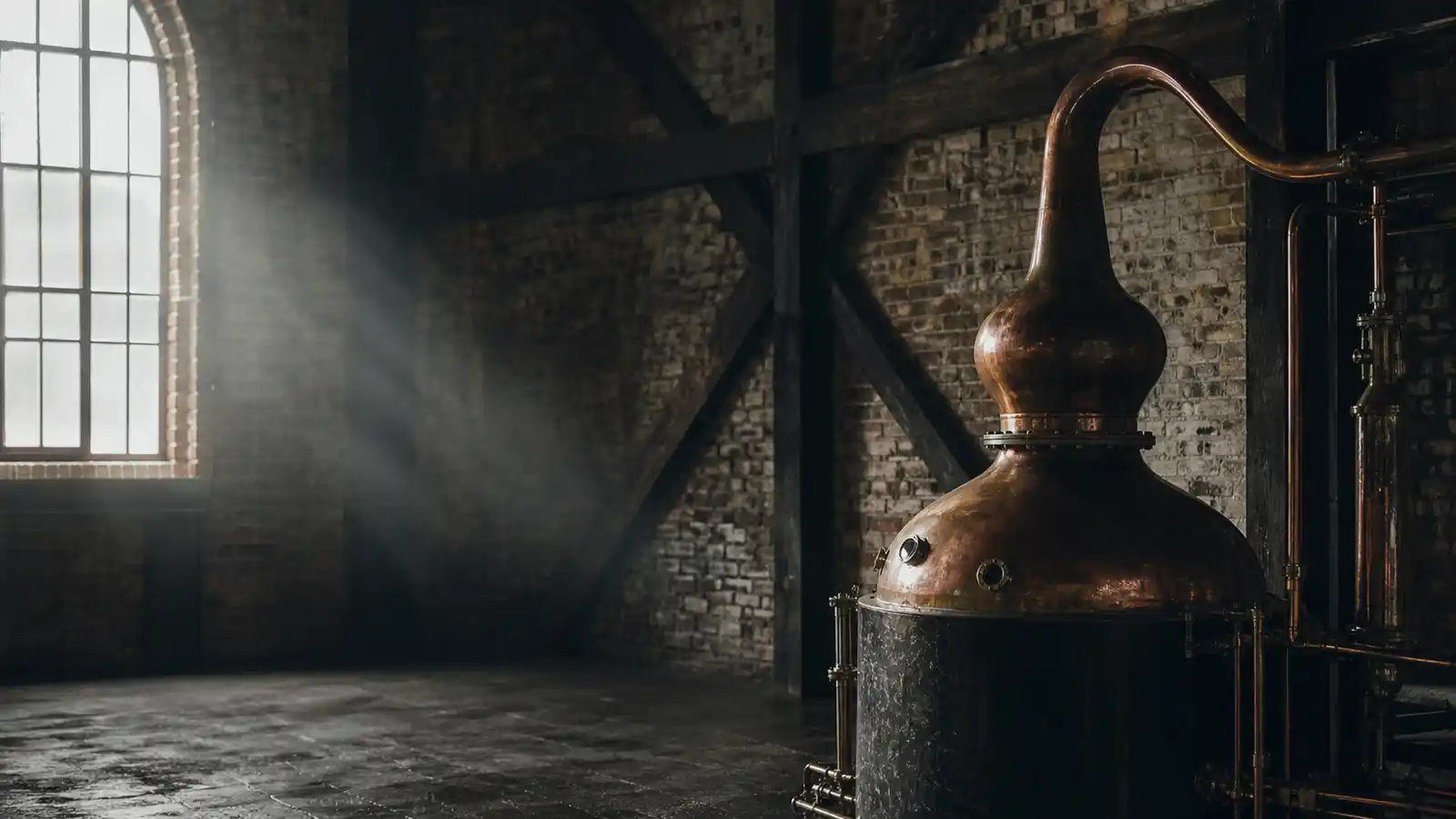
Stills, mash tuns, fermenters and production equipment against fire, storm and other insured damage.
Stock
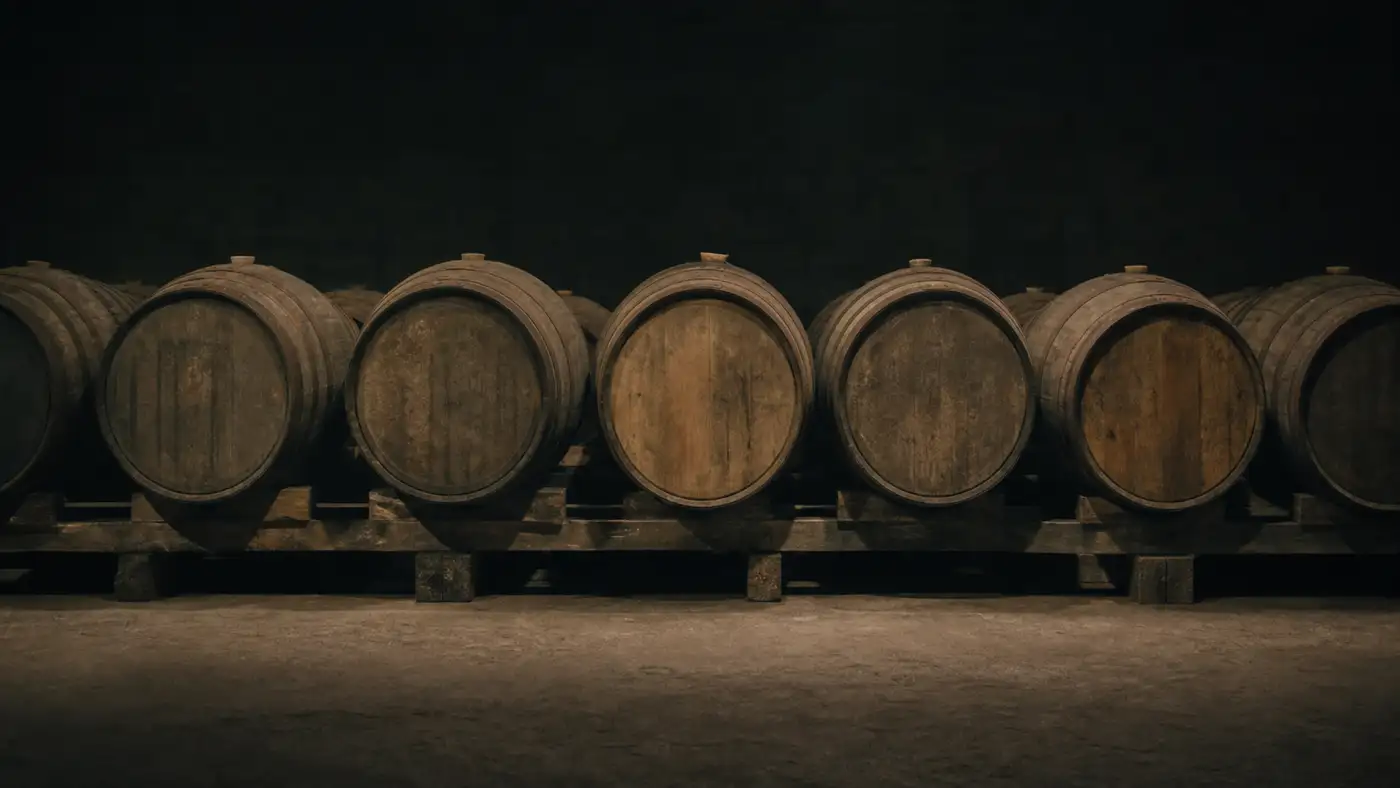
Maturing spirit in barrels, plus bottled stock and raw materials on site, with the basis of settlement matched to maturation value.
Public & Product Liability
Visitors to tastings, tours and the cellar door, plus the spirit you bottle and sell, with liquor liability specifically addressed.
Business Interruption
Income while a still or the distillery is out of action after insured damage, with the indemnity period set against real lead times.
Property
Stills, mash tuns, fermenters and production equipment against fire, storm and other insured damage.
Stock
Maturing spirit in barrels, plus bottled stock and raw materials on site, with the basis of settlement matched to maturation value.
Public & Product Liability
Visitors to tastings, tours and the cellar door, plus the spirit you bottle and sell, with liquor liability specifically addressed.
Business Interruption
Income while a still or the distillery is out of action after insured damage, with the indemnity period set against real lead times.
POLICY SCOPE
What Distillery Insurance Covers
The core sections of a well-built distillery programme, and where the gaps tend to hide unless they're specifically arranged.
Usually Covered
Not Typically Covered
This is a general guide only. What is and isn't covered depends on the terms, conditions, limits and exclusions of your specific policy.
WHY DISTILLERIES ARE DIFFERENT
The Exposures That Set a Distillery Apart
Three things separate a distillery from a generic business package, and each one shapes how the programme is structured.
High-proof spirit and fire. Ethanol vapour is flammable, so underwriters look hard at how spirit is stored, ventilated and separated from ignition sources. Solid housekeeping and a well-managed bond store directly improve your terms.
Barrel stock that grows in value. New-make spirit costs one thing; the same barrel five years on is worth far more. If the stock sum insured never moves, a loss late in maturation lands on you. Review it as the barrels age.
A venue inside a production site. Tastings, tours and cellar-door sales put the public inside a working distillery. That means public liability with liquor liability specifically addressed, aligned to your licence conditions.
High-proof spirit and fire. Ethanol vapour is flammable, so underwriters look hard at how spirit is stored, ventilated and separated from ignition sources. Solid housekeeping and a well-managed bond store directly improve your terms.
Barrel stock that grows in value. New-make spirit costs one thing; the same barrel five years on is worth far more. If the stock sum insured never moves, a loss late in maturation lands on you. Review it as the barrels age.
A venue inside a production site. Tastings, tours and cellar-door sales put the public inside a working distillery. That means public liability with liquor liability specifically addressed, aligned to your licence conditions.
DISTILLERY FAQS
Common Questions About Distillery Insurance
RELATED COVER
More for Craft Beverage Producers
Tell us about your stills, your stock and your cellar door. We'll structure the cover around how your distillery actually runs.
Talk to Our Team →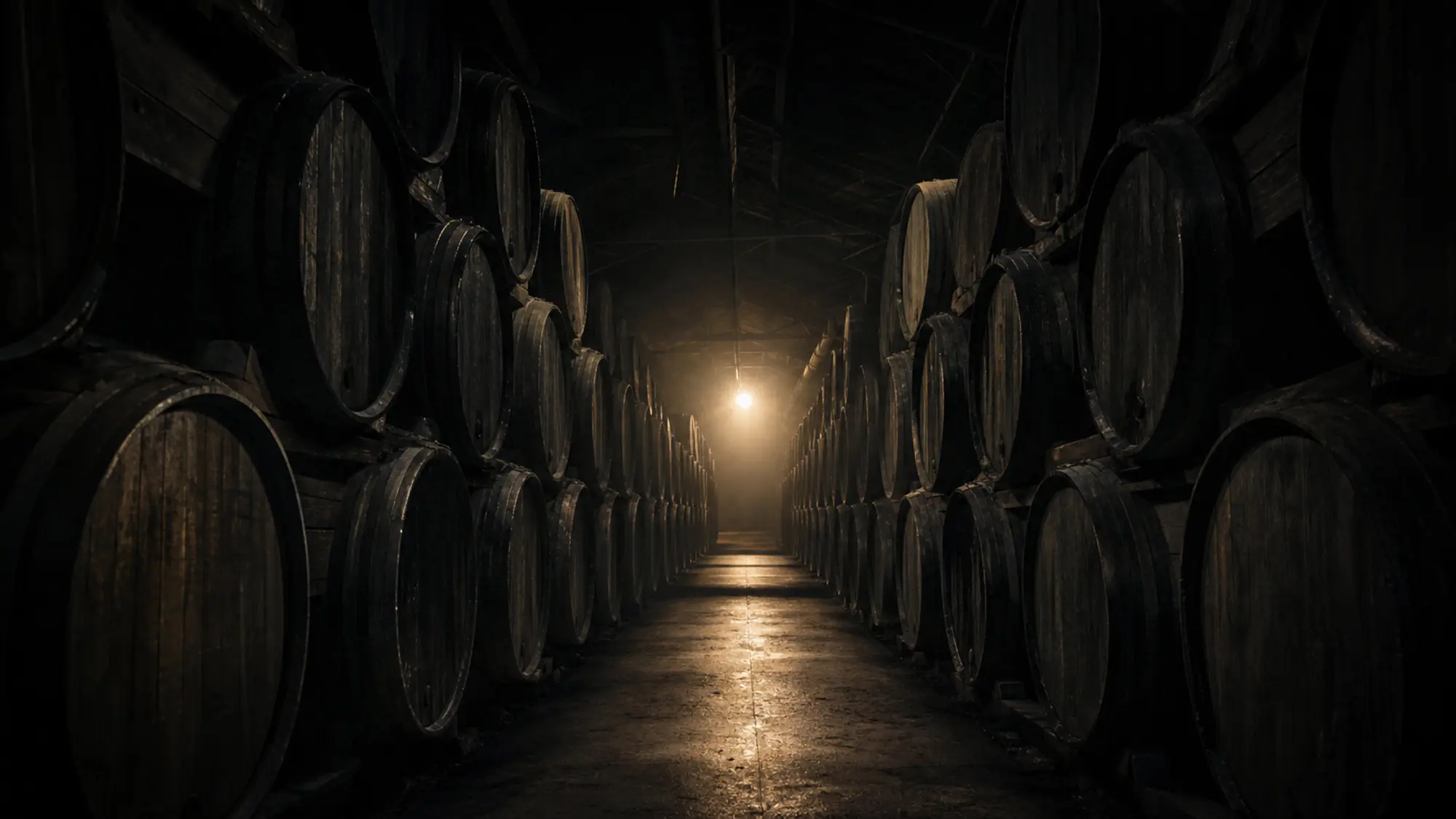
Protect the Spirit You've Laid Down
From the still room to the bond store to the cellar door, we'll build a programme that matches the value at risk, including the barrels that get more valuable every year.