
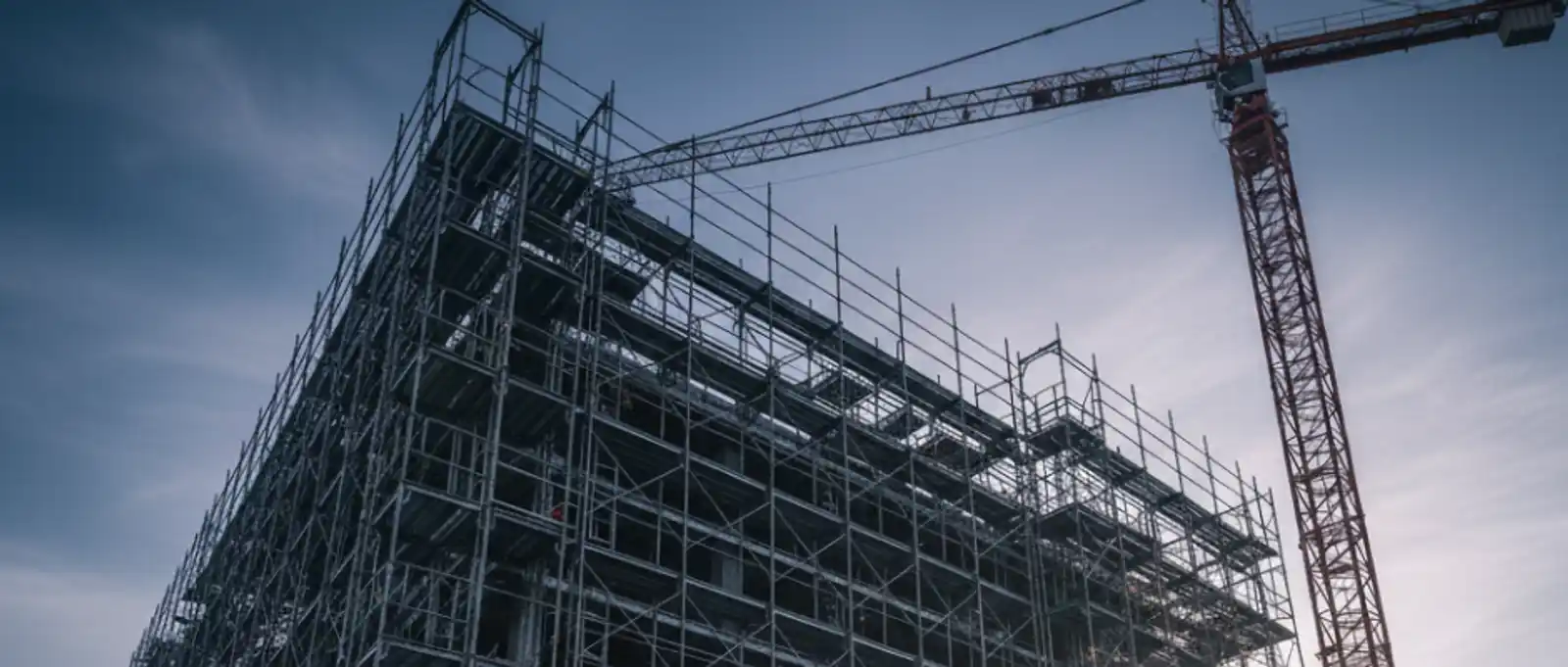
Scaffolding Risk Management for Insurance
Build reliable site controls first, then present accurate evidence so underwriters can understand how the business manages height and temporary-structure risk.
Australia
National market access
$10M–$20M
Limits contracts often specify
Specialist
Scaffolding placement
Recognition

The Tank take
Effective scaffolding risk management combines competent people, correct licensing, site-specific planning, SWMS where required, stable design and foundations, safe erection and dismantling, inspection, handover, maintenance, exclusion zones and incident learning. Insurance is a financial backstop, not a control measure.
Safe Work Australia publishes model guidance; states and territories regulate and enforce WHS laws. Confirm the rules and codes that apply where each project is performed.
Licensing and competence
Safe Work Australia states that scaffolding work where a person or object could fall more than four metres requires the appropriate high-risk work licence, with basic, intermediate and advanced classes. The precise work and jurisdiction matter. Workers who use a scaffold also need instruction and must not make unauthorised alterations.
Maintain a current licence and training register, verify labour-hire and subcontractor credentials, and allocate supervision based on the scaffold system and work. A certificate provided once should not replace ongoing expiry checks.
Planning, SWMS and site conditions
National model guidance treats construction work involving a risk of falling more than two metres as high-risk construction work requiring a SWMS. A useful SWMS is specific to the work and site, developed with workers, understood before work begins and reviewed when conditions or methods change.
Assess foundations, loading, ties, bracing, access, falling-object controls, weather, adjacent structures, public interfaces, traffic, cranes and overhead or underground services. Engineering input may be needed for non-standard configurations. Do not treat an insurer questionnaire as the site risk assessment.
Free SWMS Generator
Tank built a free, online SWMS generator that some scaffolding businesses use as a starting point. It's one option among several SWMS tools available, not the only one, and it produces a template rather than a finished site-specific assessment. Have a competent person or WHS professional review and adjust it for the actual job before anyone relies on it.
Try the free SWMS generator →Height work needs the right market, not more form-filling
Tell us your maximum height, project mix and the limit your contract requires. We take it to insurers with genuine scaffolding appetite.
Inspection, handover and change control
Document who may inspect, hand over, tag, alter and release scaffolds for use. Inspections should reflect legal requirements, manufacturer instructions, applicable standards and events that can affect stability, such as weather, impact, repairs or alteration.
Control incomplete areas and prevent other trades from removing ties, planks or components without authority. Record handover and defects, close out corrective actions and keep evidence linked to the site and scaffold.
Equipment, transport and maintenance
Use a system for component identification, inspection, quarantine, repair and retirement. Secure loads for transport, manage forklifts and lifting operations, and separate damaged or incompatible components. Depot fire, theft, storm and accumulation exposures should be considered alongside site risk.
From an insurance perspective, maintain current equipment values, storage locations and security details. From a safety perspective, follow regulator, manufacturer and competent-person requirements. The two records serve different purposes.
Evidence underwriters can assess
A concise risk pack may include licences, organisational responsibilities, representative SWMS, inspection and handover procedures, maintenance controls, training matrix, incident history, corrective actions and subcontractor onboarding. Include documents that are current and genuinely used.
Explain unusual high-risk work rather than hiding it. A clear method, competent workforce and engineered solution may help an underwriter assess the exposure, but it does not guarantee that a market will quote.
Check the rules where the work is performed
Safety and licensing duties sit outside your insurance policy. These regulator sources are the starting point.
External government sources. Tank Insurance is not responsible for their content; confirm current requirements with the relevant regulator.
More scaffolding insurance guides
Questions about scaffolding risk management for insurance
Safe Work Australia's model guidance says a licence is required for scaffolding work where a person or object could fall more than four metres. Check the definition, licence class and current rules with the regulator in the state or territory where the work occurs.
Safe Work Australia says construction work involving a risk of a person falling more than two metres is high-risk construction work requiring a SWMS under the model framework. Jurisdiction-specific law applies.
No. It may improve the quality of the risk presentation, but price and appetite also depend on height, activities, scale, claims, limits and market conditions.
An underwriting decision is not a compliance certification. Use competent safety, engineering and legal advice and the relevant regulator guidance.
General information only. This page does not take account of your objectives, financial situation or needs and is not legal or WHS advice. Cover depends on the insurer, policy wording, limits, excesses, exclusions and information disclosed. Read the relevant policy documents and obtain professional advice before deciding.

Put your scaffolding risk in front of the right markets
Tell us what you do, where you work and the limit your contract requires. We will explain the available terms and exclusions before you decide.