
Contents
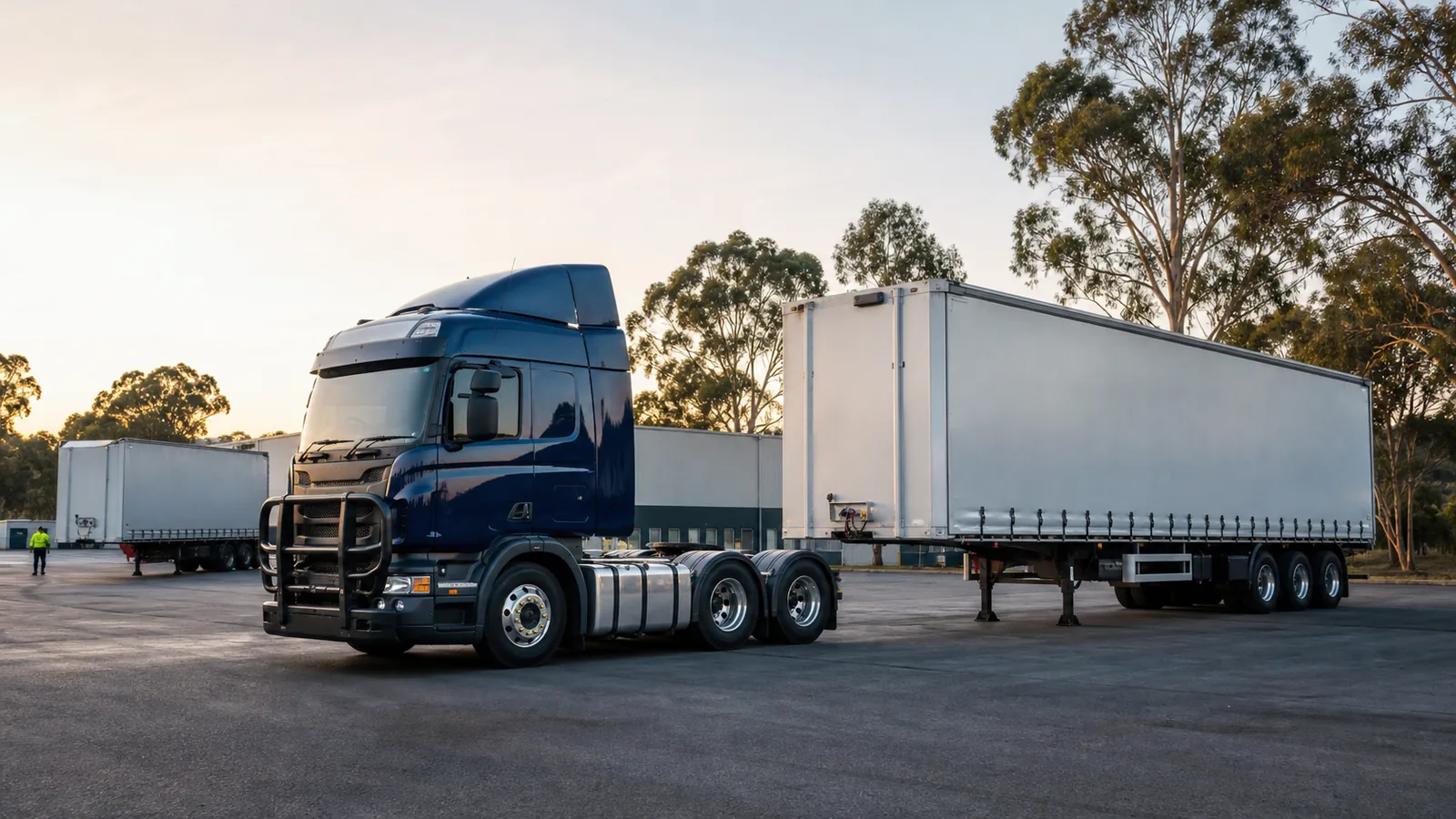
A prime mover and semi-trailer work as one combination, but they remain separate assets for insurance. The truck, trailer, third-party vehicle liability and carried goods can each sit under different policy terms.
So, do they need separate insurance in 2026? They at least need separate identification. Whether that happens on one schedule or across policies depends on ownership, use and the insurer’s wording.
Do prime movers and trailers need separate cover?
They may be covered within one commercial motor programme, but each asset and responsibility needs to be clear. A scheduled prime mover doesn’t automatically prove that every owned, hired or third-party trailer is insured.
Tank’s prime mover insurance guide explains the vehicle side. Use this matrix to test the complete combination.
| Item | Question to answer | Possible cover section |
|---|---|---|
| Prime mover | Is it listed with the correct use and value? | Commercial motor |
| Owned trailer | Is each trailer scheduled or covered by definition? | Commercial motor or trailer section |
| Hired trailer | Who is responsible under the hire contract? | Non-owned or hired trailer extension |
| Third-party property | What liability attaches to vehicle use? | Motor liability |
| Carried goods | Who owns the load and bears transit risk? | Goods in transit |
Trailer insurance is cover for physical damage or liability relating to a trailer, subject to the assets, uses and events described by the policy. It isn’t the same as cover for the cargo inside it.
What details should be scheduled separately?
Record each prime mover and trailer by registration, VIN or chassis identifier, make, model, year and insured value. Refrigeration units, tippers, tankers, curtainsiders and specialised bodies can add equipment that needs its own value.
The truck insurance overview and commercial motor insurance guide explain why use matters too. General freight, dangerous goods, livestock, rental and interstate work don’t all tell the same underwriting story.
The National Heavy Vehicle Regulator explains that operators have safety duties under the Heavy Vehicle National Law through its primary duty guidance. The Heavy Vehicle National Law does not apply in Western Australia or the Northern Territory, which have their own heavy vehicle laws. Insurance doesn’t replace those duties. Accurate maintenance, fatigue and load-management information can still support a clear submission.
How do owned, hired and third-party trailers differ?
Ownership sets the first branch of the decision tree. An owned trailer can be scheduled as the insured’s property. A hired trailer brings a contract that may allocate damage, theft and loss-of-use responsibility. A customer’s trailer can create another non-owned-property question.
Don’t rely on the phrase “any trailer” unless the wording actually provides it. Check asset limits, radius or use restrictions, security conditions and how the policy treats a trailer while detached.
Rental activity also needs to be explicit. A transport operator using its own trailer isn’t the same as a business hiring trucks or trailers to others.
Where do goods in transit fit?
Goods in transit cover addresses the load, not the vehicle carrying it. The submission can explain who owns the goods, the contract’s risk-transfer point, cargo types, maximum load value, routes, temperature control and subcontracted carriage.
Tank’s transit insurance guide covers that distinction. The key is to avoid assuming that insuring the trailer also insures everything placed inside it.
Before renewal or a fleet change, reconcile the asset schedule against registrations, finance records and hire contracts. Include disposed assets, newly acquired trailers and permanently fitted equipment.
Frequently asked questions
Does prime mover insurance automatically cover every trailer?
No. Trailer cover depends on the schedule, definitions and any non-owned or unspecified-trailer extension.
Can a hired trailer be insured?
It may be possible, subject to the policy and the hire contract. Ownership and responsibility need to be disclosed.
Are goods in transit covered by truck insurance?
Not automatically. Damage to carried goods is a separate cover question from damage to the prime mover or trailer.
To review the asset and responsibility map, contact Tank Insurance on 02 9000 1155 or [email protected].