
SDA Landlord Obligations and Your Insurance
Owning Specialist Disability Accommodation comes with enrolment, maintenance and head-lease obligations - and each one has an insurance angle. Here's what to understand and what to disclose. General information only.
4
SDA Design Categories
3
Layers of Obligation
NDIA
Administers Enrolment
Recognition

THE SHORT ANSWER
Owning SDA generally means three things for your insurance: the dwelling is enrolled as SDA with the NDIA against a design category, a head-lease with a provider allocates maintenance and compliance responsibilities, and both of those facts need to be disclosed to your insurer so the policy reflects how the property is actually built, occupied and maintained.
The four design categories - Improved Liveability, Fully Accessible, Robust and High Physical Support - carry different rebuild costs and different features to declare. This page is general information; for your specific obligations, check with the NDIA, the NDIS Commission, your SDA provider and your own advisers.
The Four SDA Design Categories
Described generally - dwelling enrolment is administered by the NDIA, SDA providers are registered with the NDIS Quality and Safeguards Commission, and the detail can change. What matters for insurance is that the category shapes the rebuild cost and what needs to be declared.
Improved Liveability
Dwellings designed for people with sensory, intellectual or cognitive impairment - better lighting, lines of sight and wayfinding. Generally the closest of the four categories to conventional housing from a rebuild-cost perspective.
Fully Accessible
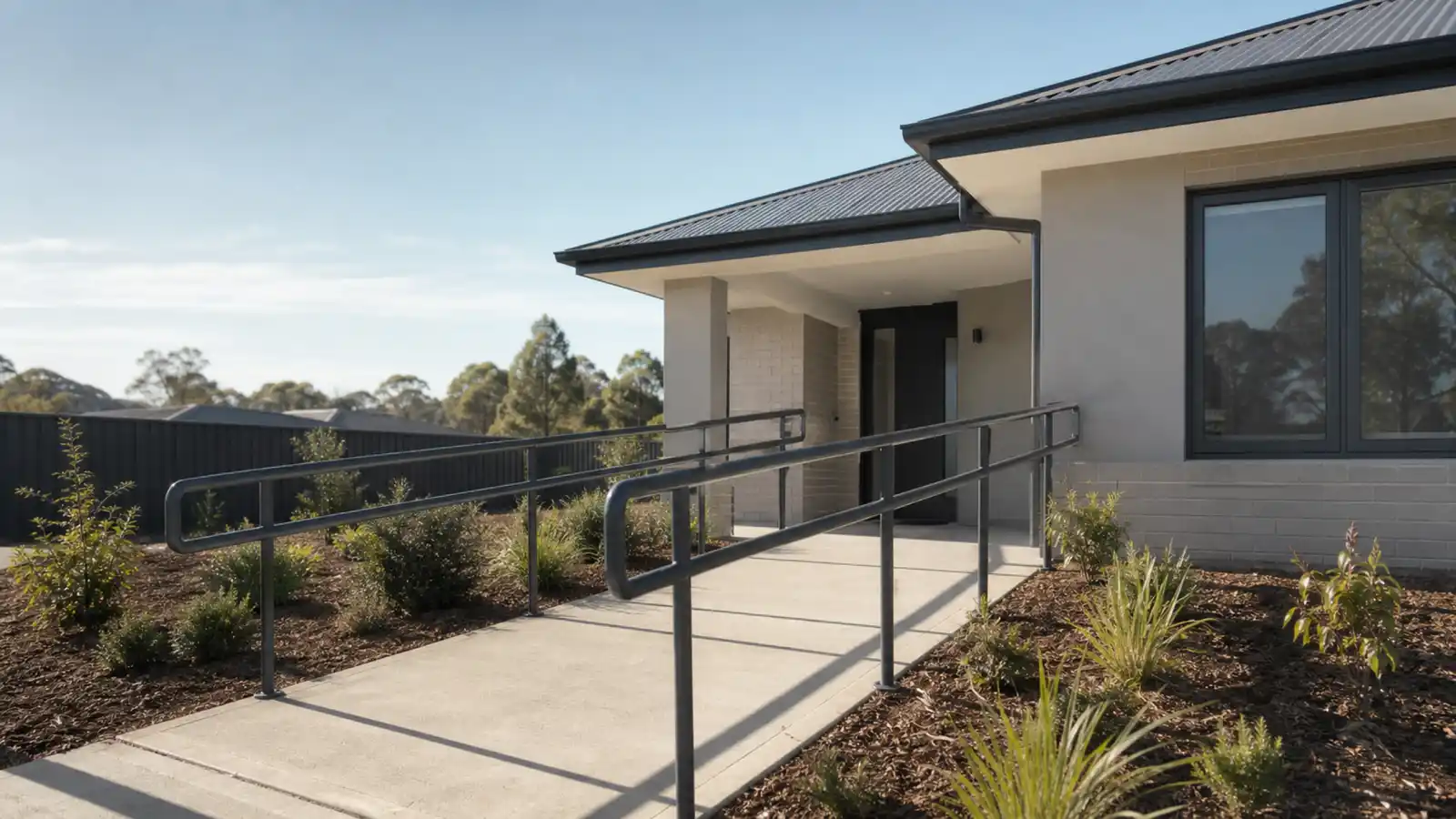
Designed for significant physical impairment: step-free access, wider doorways and corridors, accessible bathrooms and kitchens. The accessible fit-out lifts the rebuild cost, and the sum insured needs to keep up with it.
Robust
Built to be resilient and reduce risk to occupants and the community - reinforced walls and fittings, secure spaces, impact-resistant materials. Insurers will want to understand the construction and how tenant damage cover is set up.
High Physical Support
The most intensive category: ceiling hoists, emergency power to support equipment, assistive-technology provision and, generally, enhanced fire safety such as sprinklers. The highest rebuild cost of the four, and the most to disclose.
How a Head-Lease Typically Allocates Responsibility
A common split - but every agreement differs, so treat this as a starting point and read your own head-lease.
| Typically the owner | Typically the SDA provider |
|---|---|
| Building insurance, including fixed modifications | Its own liability, contents and operational insurances |
| Structural maintenance and major repairs | Day-to-day upkeep and tenancy management |
| Keeping the dwelling to its enrolment standard | Participant matching, support delivery and reporting |
| Compliance items attached to the building (fire safety, certification) | Compliance items attached to service delivery |
| Loss of rent cover for the owner's income | Managing vacancy and sourcing the next participant |
SDA LANDLORD COVER
Not sure what your head-lease means for your insurance?
Open the quick enquiry form and tell us the design category, the provider arrangement and the modifications.
What to Disclose to Your Insurer
SDA Enrolment and Category
That the dwelling is enrolled (or being enrolled) as SDA, and its design category. This shapes how the insurer views the building, the occupants and the income stream.
The Tenancy Structure
Whether a registered SDA provider holds a head-lease, or the arrangement is more direct. Who occupies the property day to day, and who manages it.
Modifications and Equipment
Ramps, hoists, reinforced fittings, emergency power and any other fixed equipment - plus who owns each item, so nothing falls between your policy and the provider's.
Vacancy Expectations
How the property will be handled between participants, and how long a vacancy could realistically run. This is where unoccupancy conditions need to be negotiated before they bite.
SDA OBLIGATIONS FAQS
Common Questions About SDA Landlord Obligations
RELATED COVER & GUIDES
More on NDIS Property Insurance
Not sure what your head-lease means for your insurance? Send it over - we'll map your obligations against the cover.
Talk to Our Team →
Get SDA Landlord Cover Sorted
Share the property details and the head-lease arrangement. We'll structure the policy around your actual obligations as an SDA owner.