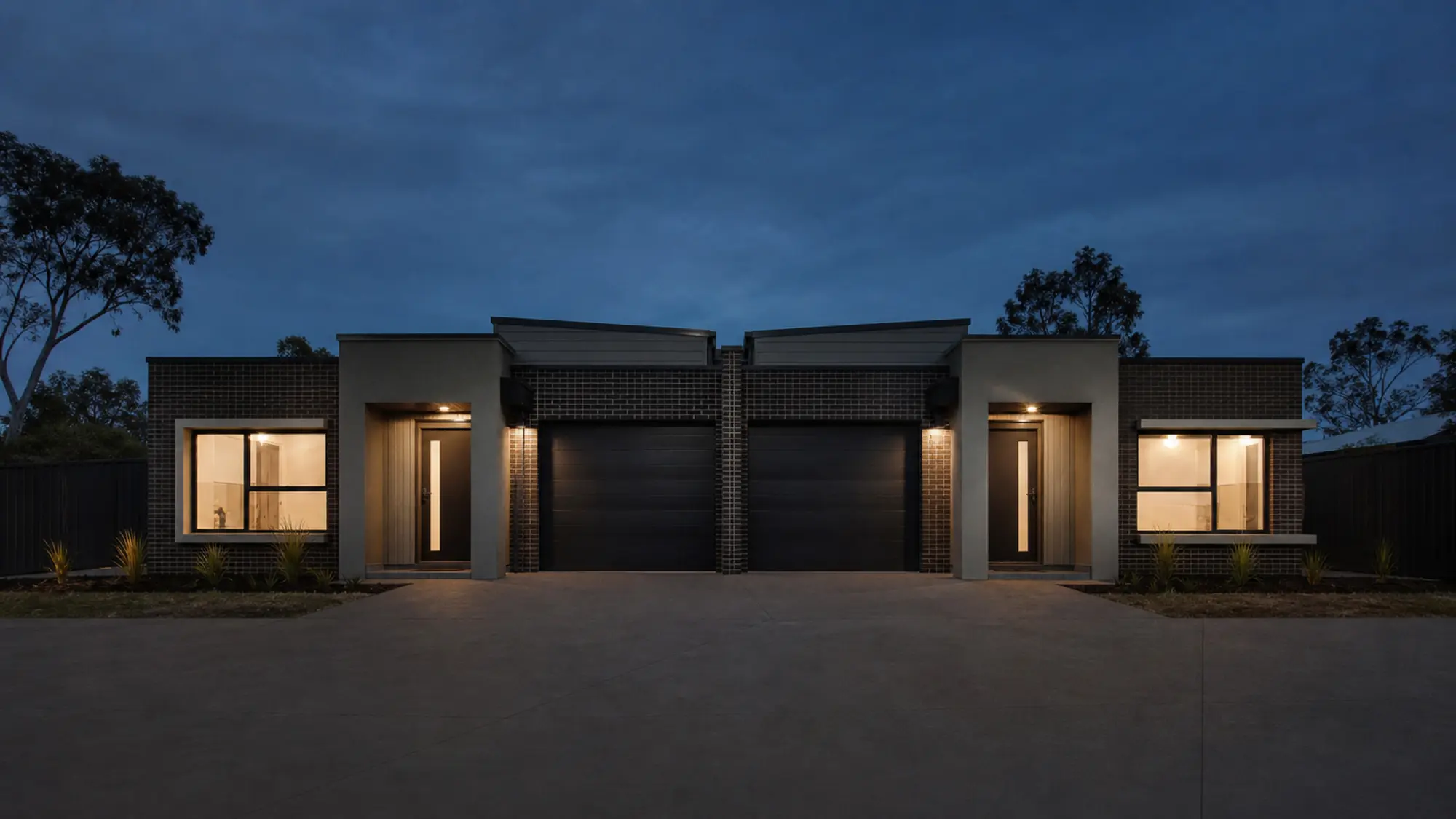
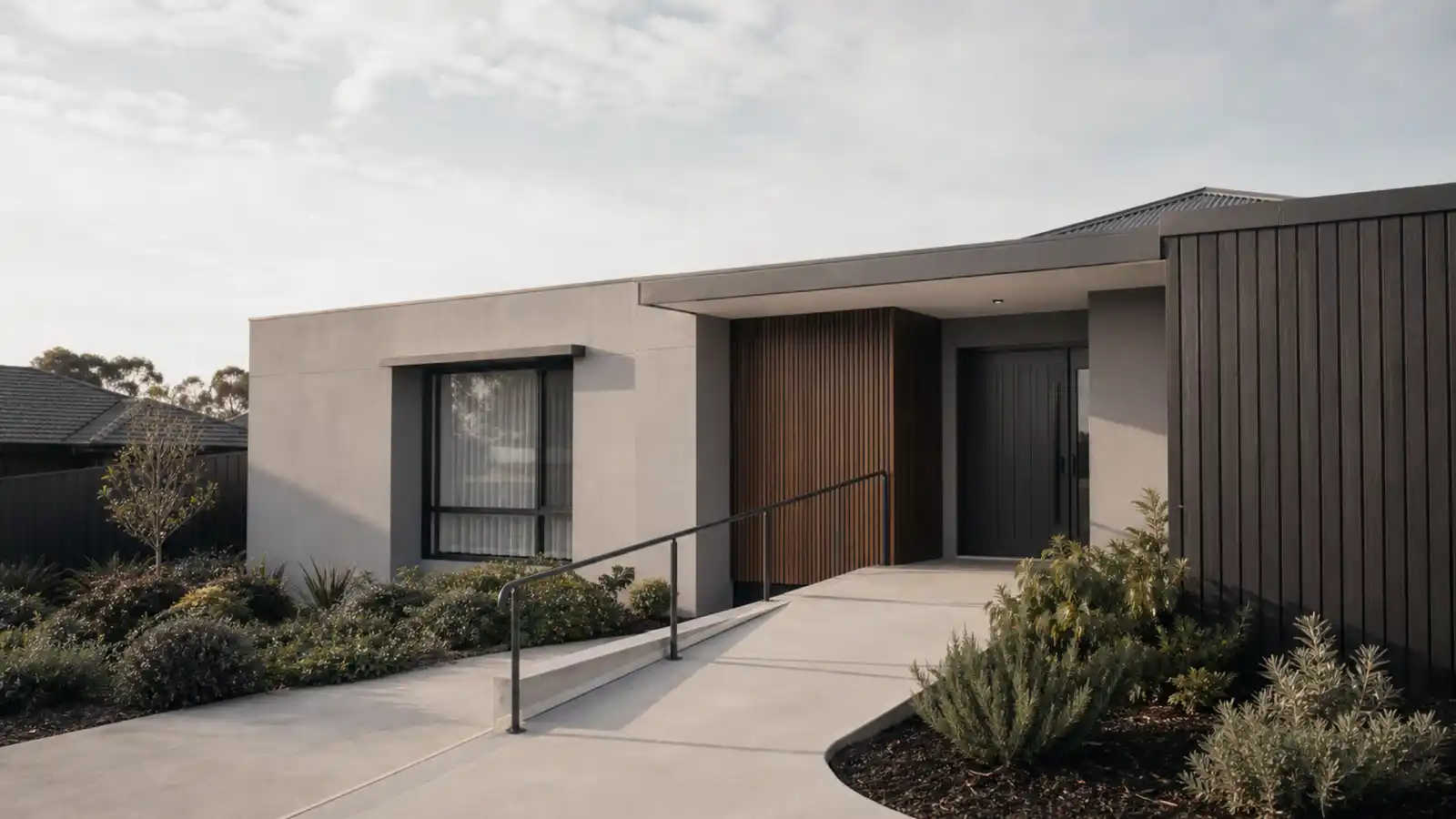
Modern accessible SDA home with level entry for NDIS property insurance

NDIS Property Insurance (SDA Landlord Insurance)

Landlord and building cover for property leased to NDIS participants or SDA providers. Structured around the modifications, the provider-as-tenant arrangement and the vacancy patterns that make these properties different from a standard rental.

SDA

Enrolled Dwellings

4

SDA Design Categories

30-90

Day Unoccupancy Terms

Recognition

Industry Awards

THE SHORT ANSWER

NDIS property insurance is landlord and building cover arranged for a property leased to an NDIS participant or SDA provider. The policy is set up to reflect the property's accessibility modifications, the provider-as-tenant head-lease arrangement, and the vacancy periods that can occur between participants - things a standard landlord policy generally isn't priced for.

The cover types are familiar - building, loss of rent, landlord liability, tenant damage - but each needs to be structured around how SDA actually operates. Disclosing the NDIS or SDA use to the insurer is the starting point; from there it's a matter of getting the sums insured, the income cover and the vacancy terms right. This page is general information only, not personal advice.

An insurer prices a property on how it's occupied - declaring the SDA use is the difference between a policy that responds and an argument at claim time.

If your property is enrolled SDA, leased to a provider, or housing NDIS participants, that use needs to be declared when the policy is arranged and whenever it changes. If you're not sure what to declare, tell us everything and we'll sort out what's relevant.

From there it's a matter of getting the detail right: a sum insured that reflects the accessible-design rebuild cost, income cover that reflects what you'd actually lose, and vacancy terms agreed before a gap between participants ever happens.

"NDIS property" covers at least four different arrangements. An ordinary residential tenancy where the tenant happens to be an NDIS participant, an Independent Living Options (ILO) arrangement, provider-operated supported independent living (SIL), and enrolled SDA are not one risk class. The right answer depends on which arrangement is actually in place: describe the arrangement accurately, and the rest of the placement gets easier.

A situation we have encountered shows why. A vacant four-bedroom Central Coast investment property, with an $800,000 building sum insured, was to be leased in the owners' names and then sublet under an NDIS arrangement with a live-in carer onsite around the clock. Standard landlord insurance did not adequately reflect that setup, and Tank did not place the risk. The critical underwriting fact was never simply that an NDIS participant would live there - it was who held the lease, who was subletting, whether a provider would operate the accommodation and whether care would be delivered onsite.

WHO IT'S FOR

Who Needs This Cover

Whether the property is enrolled SDA or simply leased to an NDIS participant or provider, the insurer needs to know how it's used.
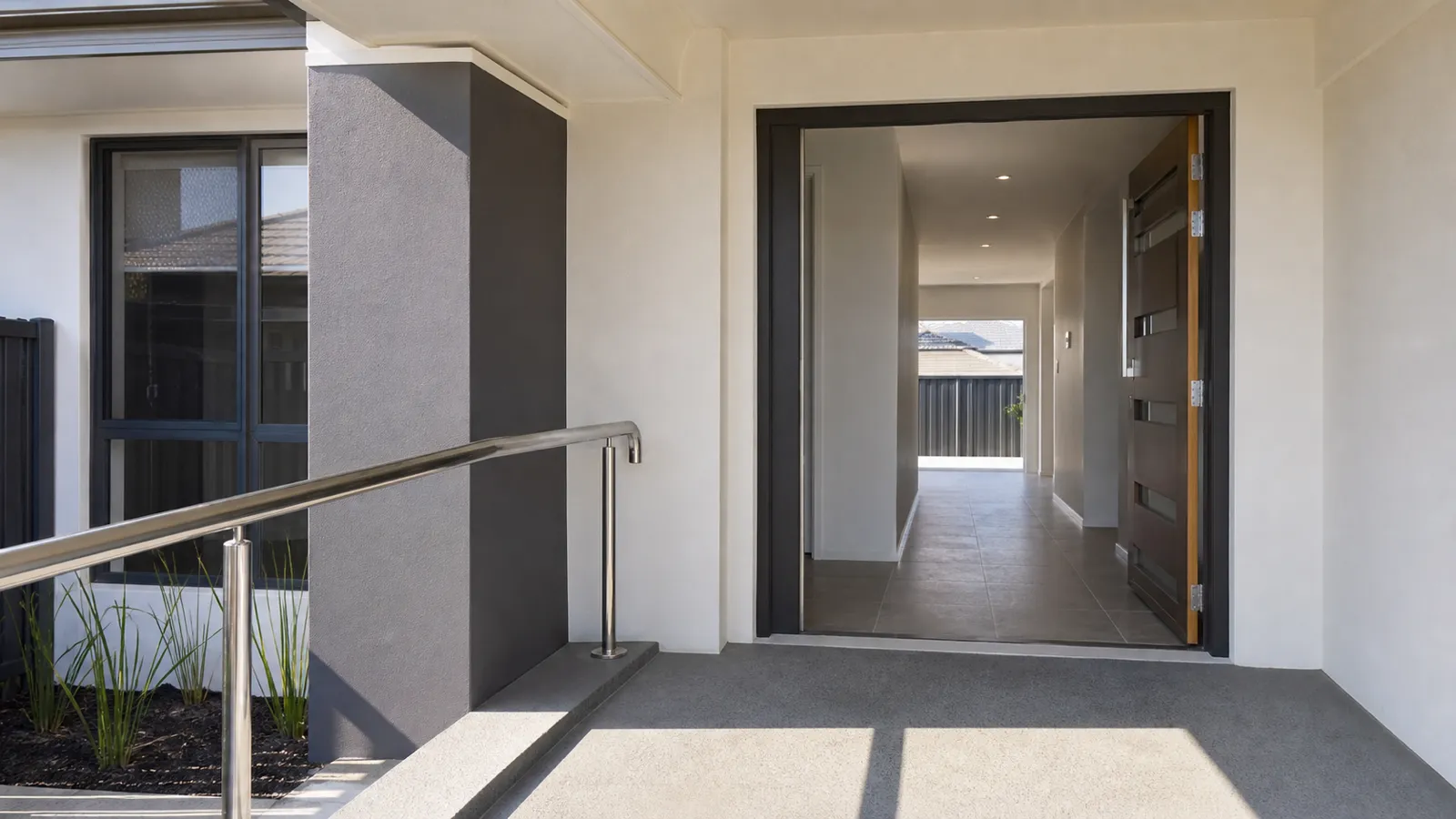
Level-entry accessible home with a wide doorway and handrail for NDIS and SDA accommodation

01

SDA Investors

You own a purpose-built or converted dwelling enrolled as Specialist Disability Accommodation, leased to a registered SDA provider under a head-lease or management agreement.

02

Owners of NDIS-Tenanted Property

Your property isn't enrolled SDA, but it's leased to an NDIS participant or a support provider - supported independent living arrangements, respite housing or similar. The insurer still needs to know how the property is used.

03

Developers and Portfolio Holders

You're building or holding multiple SDA dwellings and want the insurance structured consistently across the portfolio, with modifications, vacancy exposure and provider arrangements handled the same way on every property.

04

Disclosure First

In every case, the SDA or NDIS use needs to be declared when the policy is arranged and whenever it changes - it's what the insurer prices the risk on.

WHAT'S INSURED

What NDIS Property Insurance Covers

The building blocks of an SDA landlord placement, and where the traps sit. All cover is subject to policy terms, limits and exclusions.
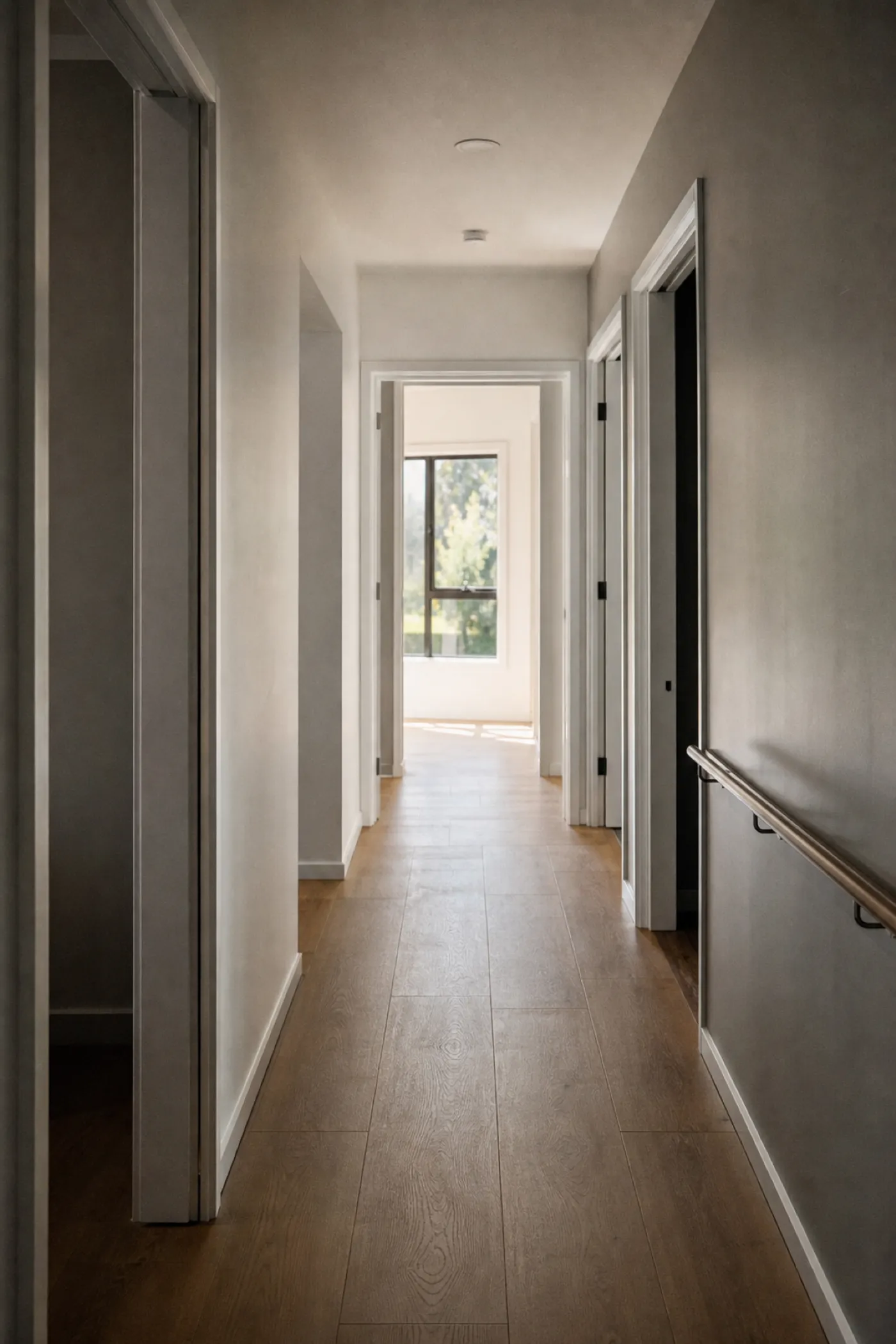
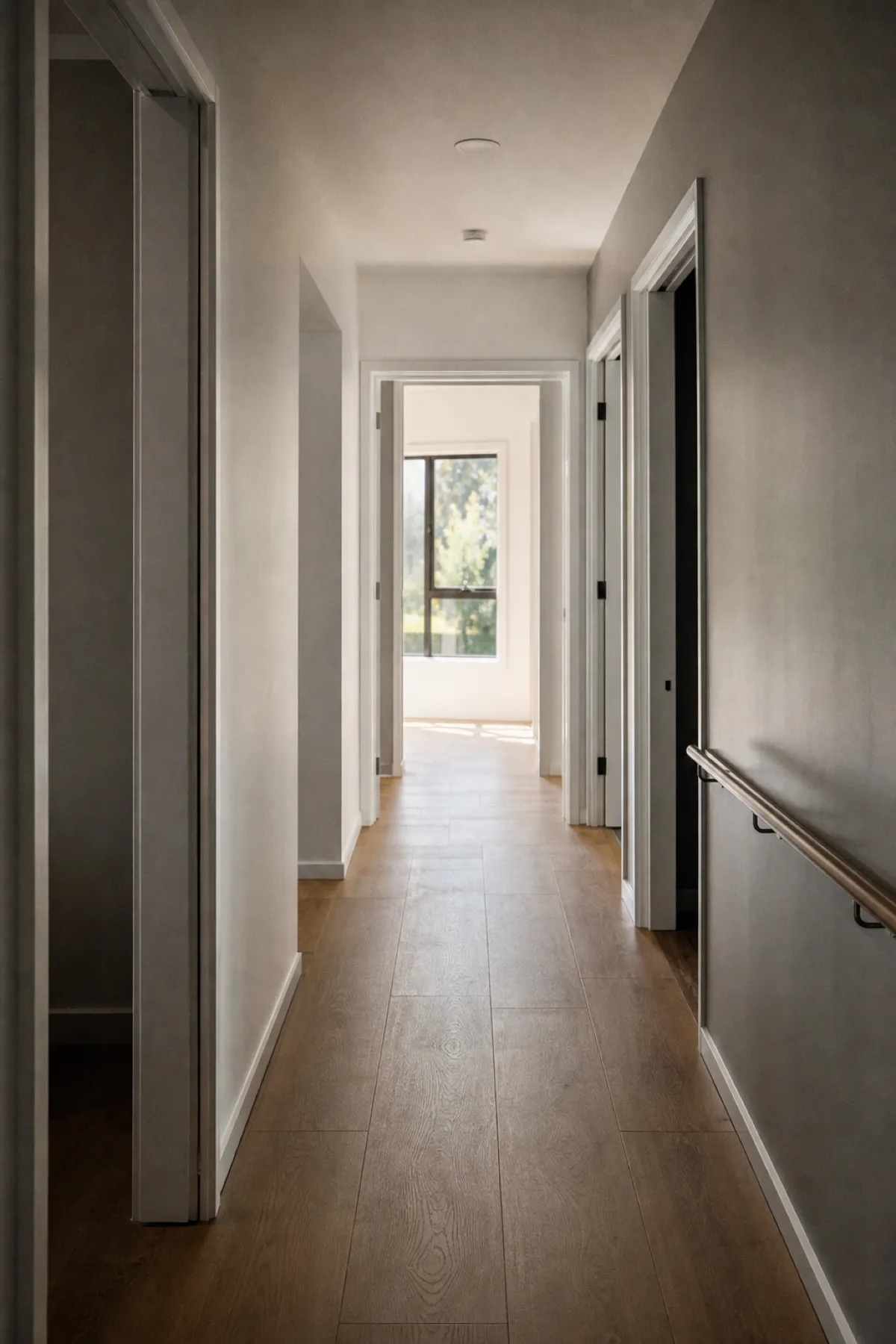
Wide accessible-home corridor with handrails and level flooring for NDIS property insurance

Usually Covered

Building and structural cover - the dwelling insured for its full accessible-design rebuild cost.
Fixed modifications - ramps, ceiling hoists, reinforced bathroom fittings and height-adjustable benches.
Loss of rent - rental income cover while the property can't be occupied after an insured event.
Landlord liability - if a tenant, support worker or visitor is injured and the owner is held responsible.
Tenant damage - accidental or deliberate damage caused by occupants, depending on the policy.
Cover during vacancy between participants - where it's disclosed and agreed with the insurer up front.

Not Typically Covered

SDA rebuild costs generally exceed a standard home of the same size - an undeclared modification can leave the sum insured short.
Fixed equipment must be declared and included in the sum insured; ownership of some items may sit with the provider, so check the head-lease.
How a policy treats SDA payments alongside the participant rent contribution varies - the limit needs to reflect the real income at risk.
The provider generally carries separate liability for its own operations; the two policies should line up with the head-lease.
Wordings differ on deliberate damage - Robust-category dwellings warrant particular attention here.
Unoccupancy conditions generally restrict cover after 30-90 days empty; SDA vacancies can run longer and need to be agreed up front.

This is a general guide only. What is and isn't covered depends on the terms, conditions, limits and exclusions of your specific policy.

WHY DISCLOSURE MATTERS

The Insurer Prices How the Property Is Actually Used

An insurer prices a property on how it's occupied. If your property is enrolled SDA, leased to a provider, or housing NDIS participants, that use needs to be declared when the policy is arranged and whenever it changes. It's the difference between a policy that responds and an argument at claim time. If you're not sure what to declare, tell us everything and we'll sort out what's relevant.

The Use

SDA enrolment, provider head-lease or NDIS participants in occupation - declared from the start.

The Building

Fixed modifications and accessible design reflected in the sum insured, not left out of it.

The Gaps

Vacancy between participants raised with the insurer up front, before an unoccupancy condition bites.
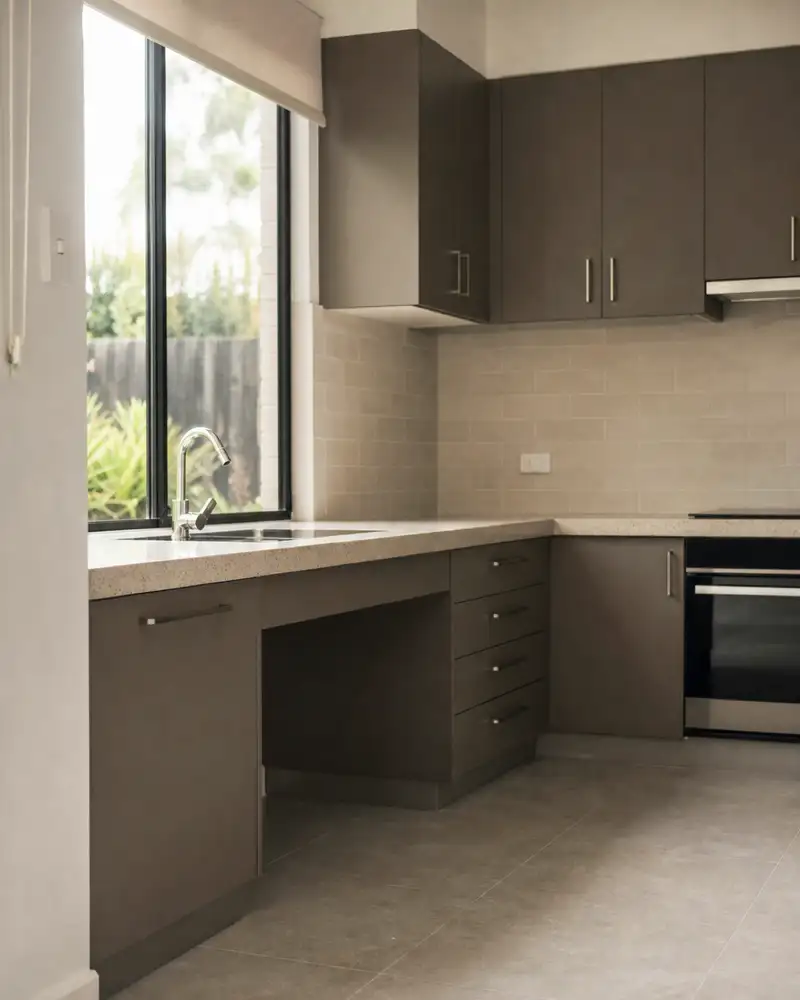
Accessible kitchen with lowered bench, knee clearance and lever tapware in an SDA home

NDIS PROPERTY FAQS

Common Questions About NDIS Property Insurance

No. An ordinary residential tenancy where the tenant happens to be an NDIS participant, an Independent Living Options (ILO) arrangement with independently arranged supports, provider-operated supported independent living (SIL), and enrolled SDA are different arrangements - and insurers treat them differently. We've seen enquiries where a portfolio owner held ordinary residential tenancies in which some tenants used independently arranged ILO supports - not provider-operated SIL, and not SDA. Before giving a view, we asked for each policy schedule, wording and endorsement, because the answer can differ property by property. That client ultimately arranged cover elsewhere, but the discipline holds: the facts that decide the outcome are who holds the lease, who sublets, whether a provider operates the accommodation and whether care is delivered onsite. Describe the actual arrangement, and the insurer can price the actual risk.
Sometimes, but you can't assume it. A standard landlord policy is generally written on the basis of a conventional residential tenancy. An SDA or NDIS-tenanted property changes several things the insurer priced on: the tenant is often a provider organisation rather than an individual, the building carries specialised modifications, and vacancy patterns differ. If the use isn't disclosed, you risk a dispute at claim time. The safer path is a policy arranged with the SDA use declared from the start.
Generally both, for different things. The owner typically insures the building, the fixed modifications, loss of rent and their own liability as landlord. The SDA provider generally carries its own insurances for its operations, its contents and its liability as a service provider. The head-lease or management agreement usually sets out who is responsible for what, so check it - and check with your SDA provider - before assuming anything is covered by the other party.
It's landlord and building insurance arranged specifically for a property enrolled as Specialist Disability Accommodation under the NDIS. In practice it means the policy reflects the higher rebuild cost of an accessible dwelling, the fixed accessibility equipment, the provider-as-tenant arrangement, the SDA-linked income stream, and the possibility of vacancy between participants. The cover types are familiar - building, loss of rent, liability, tenant damage - but each is set up around how SDA actually works.
Yes. How a property is occupied is exactly the kind of information an insurer uses to decide whether to insure the risk and on what terms. Leasing to an SDA provider, housing NDIS participants and installing fixed accessibility equipment all change the risk profile. Disclosing the use up front, and updating the insurer when it changes, protects your position at claim time. If you're unsure what to declare, ask - that's what a broker is for.
It depends on the policy. Landlord and property policies generally include an unoccupancy condition that restricts or excludes cover once a property has been empty beyond a set period, often somewhere between 30 and 90 days depending on the insurer. Because SDA vacancies can run longer while a provider matches a new participant, this needs to be addressed when the policy is arranged, not discovered afterwards. Our provider tenant and vacancy guide covers this in detail.
Loss of rent cover responds when an insured event makes the property unfit to occupy, subject to the policy terms and limits. For an SDA property, the income at risk generally includes both the participant's rent contribution and SDA payments, and how a given policy treats that combined income varies. Under the SDA rules, payments are generally tied to an eligible participant occupying an enrolled dwelling, and the detail can change - check the current rules with your provider. The limit and the wording both matter. We review this when structuring the cover.
Accessible SDA duplex at dusk for NDIS property insurance

Get an NDIS Property Insurance Quote

Share the property details, the SDA design category and the provider arrangement. We'll structure landlord cover that reflects how the property is actually used.

Last updated: 19/07/2026

Call Us Now +61 2 9000 1155