
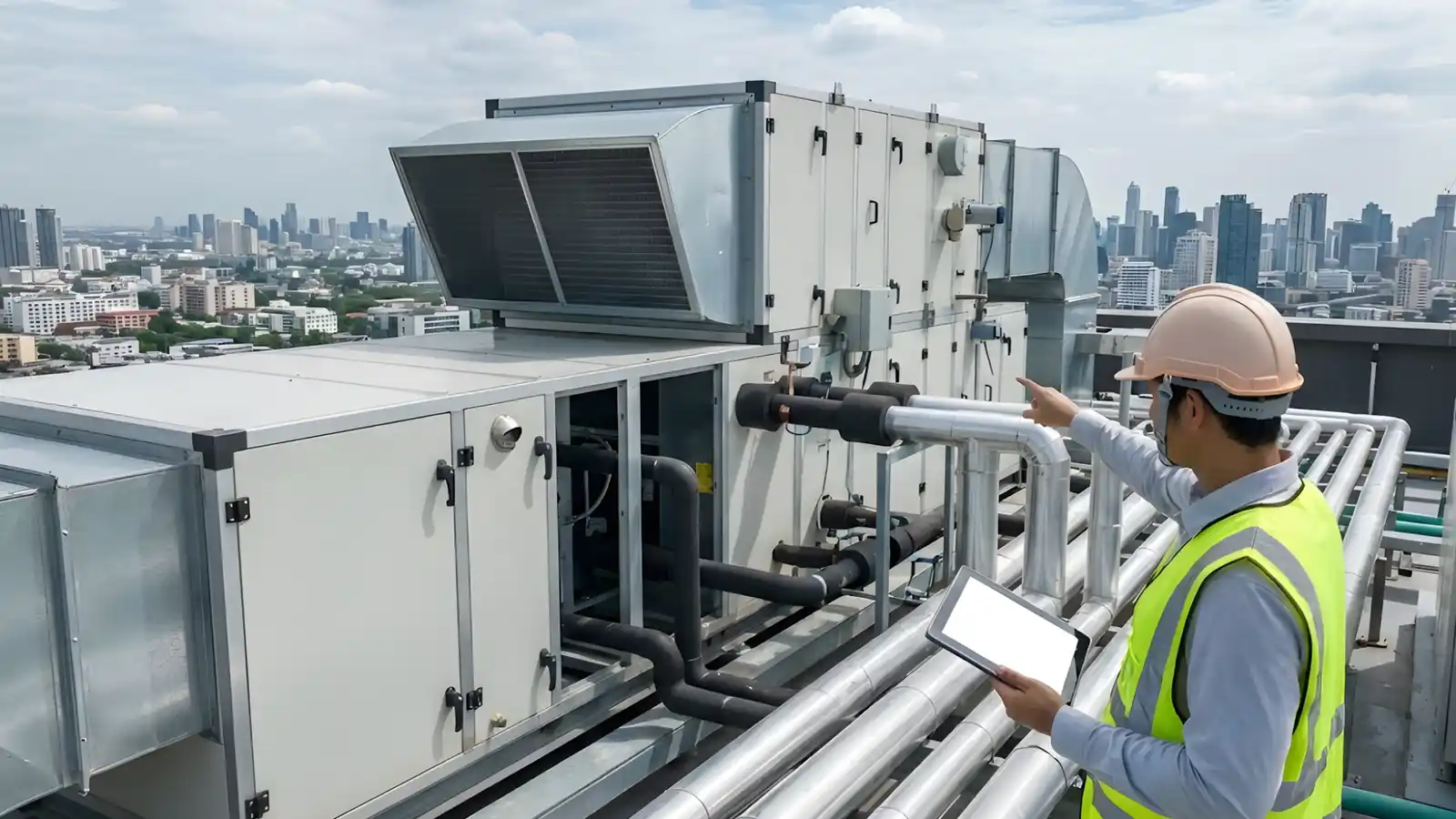
HVAC & Mechanical Engineer Insurance: PI & Liability Cover
Customised insurance that covers your real risks as HVAC and mechanical services engineers. Design errors, system failures, bodily injury on site, and project delays.
100%
AU Owned
24h
Typical Turnaround
Specialist
Sector Cover
Recognition

This specialist insurance is coverage designed for professionals who provide technical services, advice, or design for building systems. While Professional Indemnity (PI) is the core policy, HVAC insurance typically includes essential policies like Public Liability to cover the full scope of your risk.
High-Value Systems
A design error in a hospital, data centre, or high-rise can result in significant claims. HVAC engineers work on critical building infrastructure where failures can cascade into property damage or business interruption claims.
Registration & Compliance
Australian certification bodies (NER, RPEQ, VBA) generally expect engineers to hold adequate PI. Without appropriate cover, uninsured claims can have serious financial and professional consequences. It's relevant for sole traders, partnerships, and incorporated firms alike.
WHY TANK INSURANCE
What to look for in PI cover
HVAC and mechanical engineering involves complex building systems with significant exposure to both professional negligence and physical damage claims. We work closely with you to understand your specific risk, then arrange coverage that addresses design liability across heating, cooling, ventilation, and fire systems.
01
Mechanical Systems Expertise
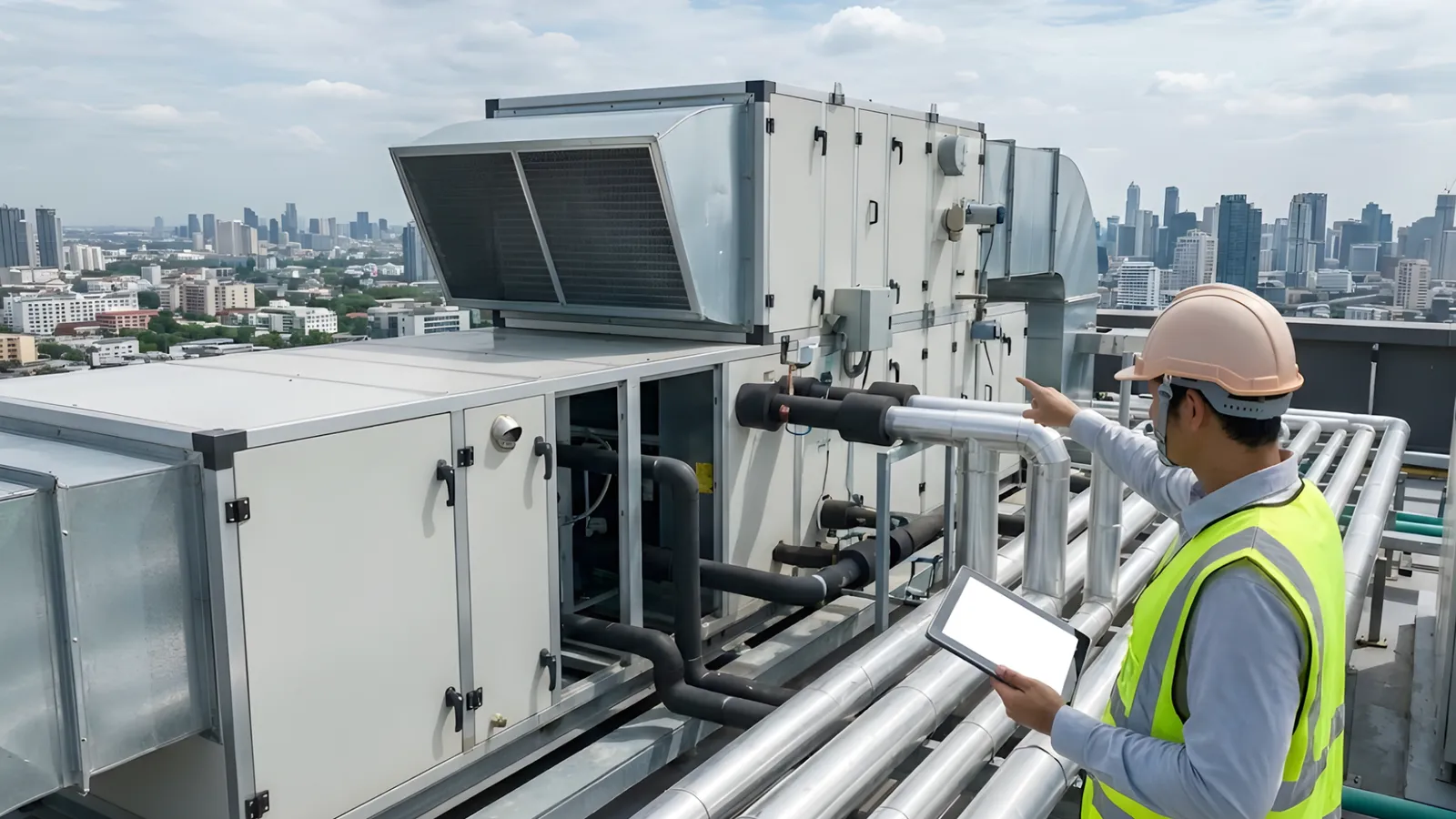
We work with insurers who understand HVAC, refrigeration, and fire protection systems, including the types of claims that arise from design defects, specification errors, and system failures.
02
PI + PL Combined
HVAC engineers need both Professional Indemnity for design liability and Public Liability for site access. We arrange both as a coordinated package.
03
D&C Contract Support
Moving into design-and-construct? Standard PI policies exclude contracting work. We restructure your cover before you sign your first D&C contract.
04
EA & Registration Compliance
We work to confirm your policy meets Engineers Australia requirements and the expectations of professional registration bodies in your state.
PROFESSIONAL RISKS
Risks HVAC & Mechanical Engineers Face
These design and specification decisions carry professional liability when building systems fail or don't perform to standard.
COVERAGE DETAILS
What HVAC & Mechanical Engineer Insurance Covers
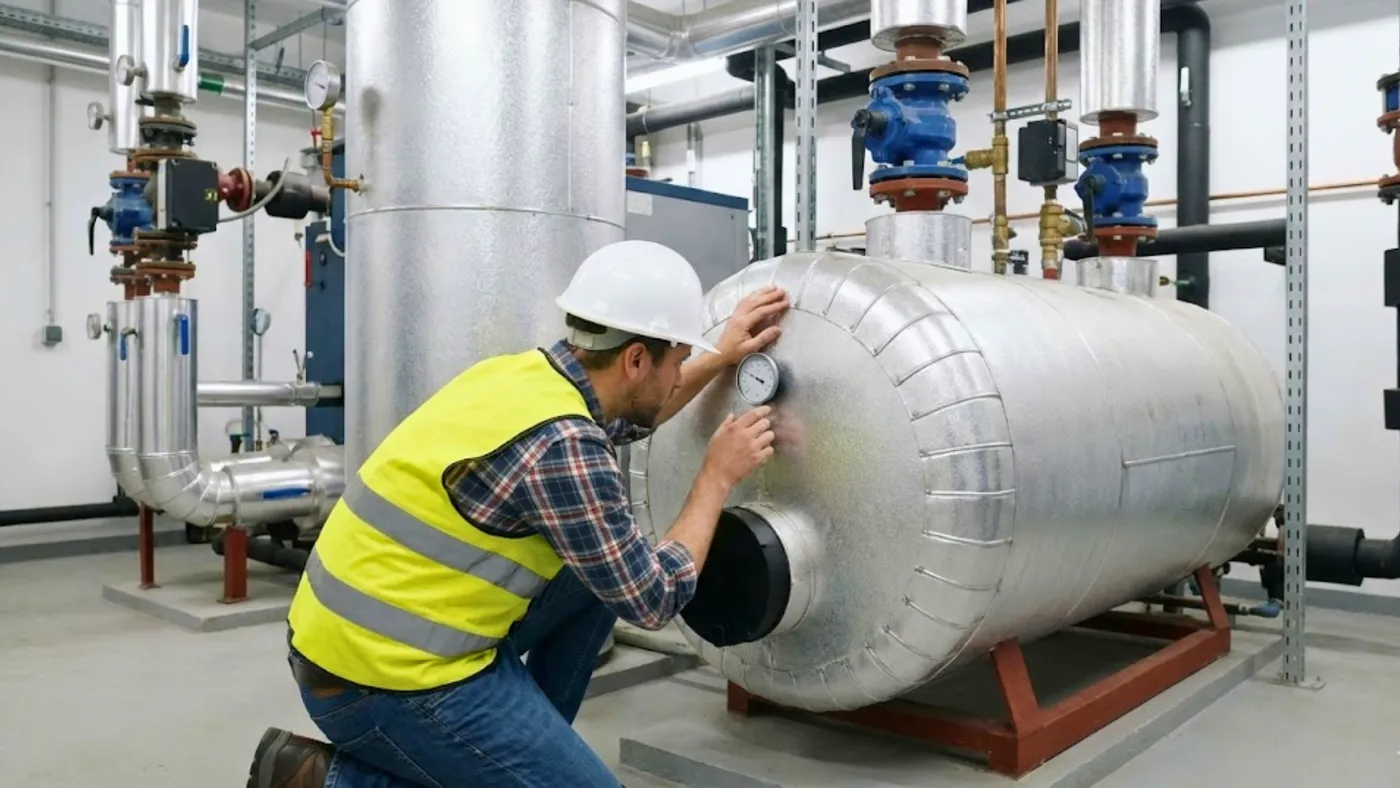
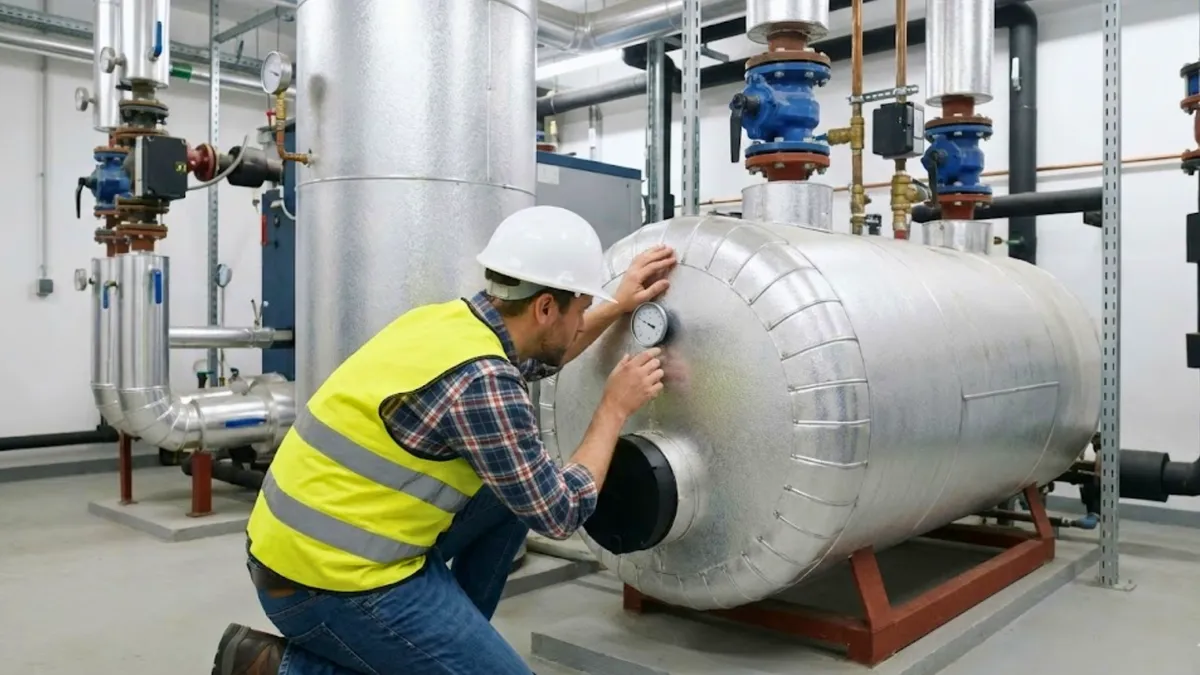
Professional Indemnity insurance for HVAC engineers covers claims arising from your system design, specifications, and mechanical engineering advice.
Usually Covered
Not Typically Covered
FROM THE MARKET
HVAC Engineering Claims in Practice
Real claim scenarios from HVAC and mechanical engineering PI placements. These illustrate why comprehensive Professional Indemnity and Public Liability coverage is important for mechanical services firms.
CASE STUDIES
Real HVAC placements we've handled
First-hand experience placing PI and PL for HVAC and mechanical services firms - including the hard ones that most insurers declined.
QUESTIONS
Frequently Asked Questions
ENGINEERING RESOURCES
Guides for Engineers
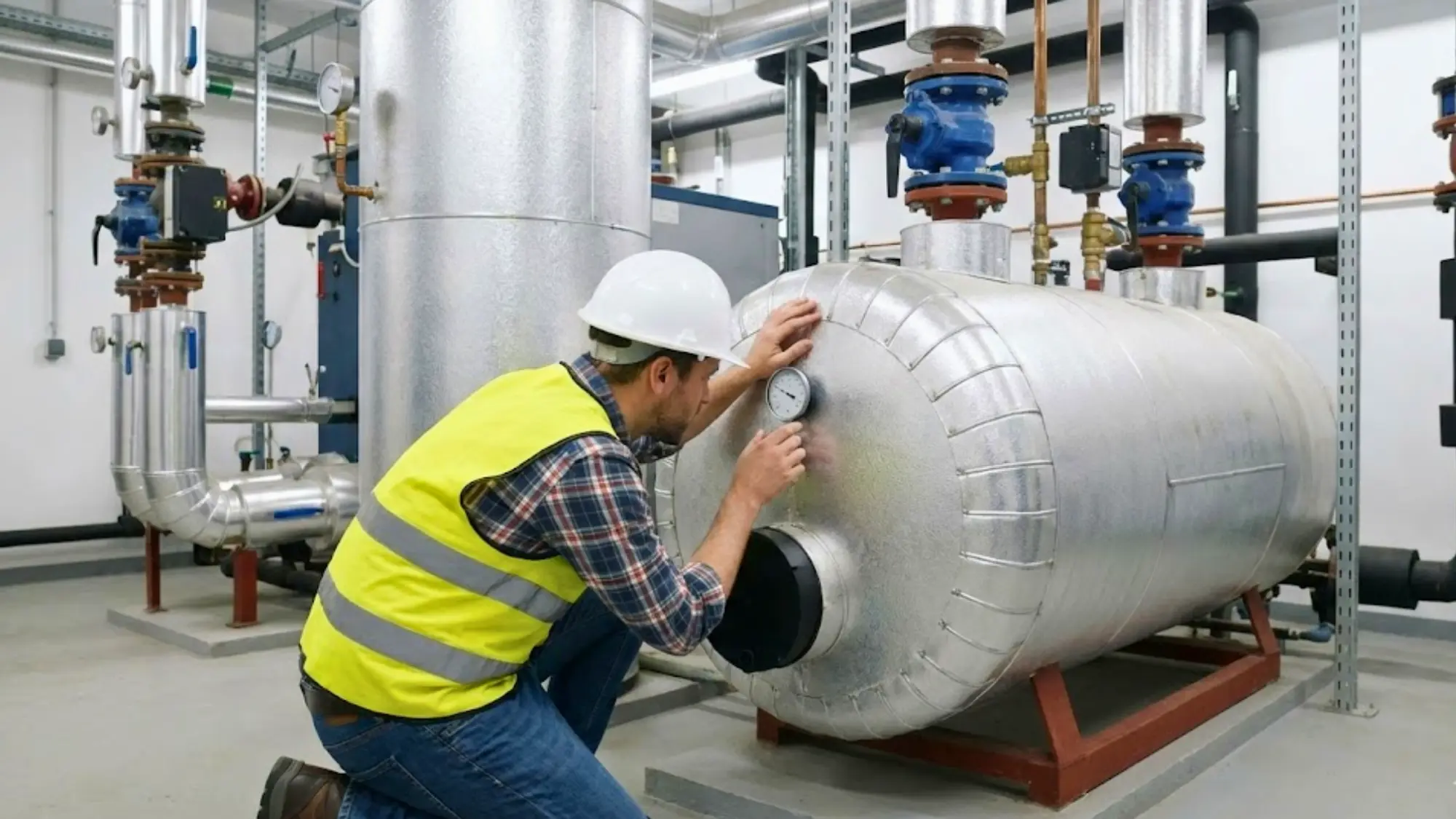
HVAC & Mechanical Engineer Insurance
Protect your HVAC or mechanical engineering business with a tailored insurance package. From system design liability to site access cover, we arrange PI and Public Liability that matches your risk profile.