

Business Pack Insurance Brokers
Tailored commercial cover for trades, office-based businesses, and property owners. We make the technical simple.
12+
Cover Types
SME
Specialists
Direct
Broker Access
Recognition

MODULAR PROTECTION
What a Business Pack Can Include
A business pack is one of the most technical products to get right. It's a modular policy that protects your assets, revenue, and liability all in one place.
RISK SEGMENTATION
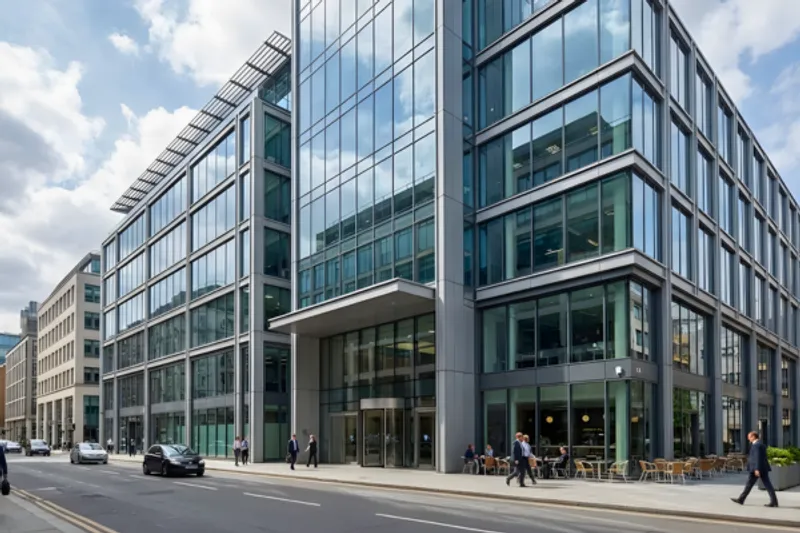
Property Owners vs Tenants
Understanding your specific risk is the first step. Whether you own the structure or just the risk inside it, the coverage requirements change significantly.
01
For Property Owners
You're responsible for the structure. We ensure accurate valuations and review building compliance (like EPS) to place you with the right insurer.
02
For Tenants
You own the risk inside. We cover your fit-out (lighting, walls, flooring) and ensure you meet the specific requirements set in your lease.
03
Leasehold Improvements
A landlord's policy won't cover the improvements you've made to the space. We make sure your investment is protected.
04
Contractual Obligations
We review your lease agreements to ensure your liability limits and cover sections align with your legal obligations to the landlord.
THE TANK METHOD
The Questions We Ask & Why
We don't just tick boxes. We ask detailed questions so that we can present your risk to insurers in the best possible light, securing better terms.

We check for materials like EPS or foam insulation. Different insurers have different appetites depending on building makeup and fire protection systems like monitored alarms.
We review your gross profit margins and realistic 'back-to-normal' timelines to set an appropriate indemnity period so you're not left short during a claim.
Deadlocks, CCTV, roller shutters, and monitored alarms. Accurate security details help us secure the best possible rates for theft and glass cover.
We look at your director structure and HR history to understand your exposure to claims like unfair dismissal or breach of professional duty.
How much cash is held on site? How often is it banked? How is stock secured overnight? These details significantly affect both your cover and premium.
COMPLEX PLACEMENT
Hard-to-Place & High-Risk Occupations
Specialty Markets
Access to specialty underwriting agencies that focus on niche commercial risks.
Lloyd's Access
Market access for complex risks that mainstream Australian insurers won't consider.
ISR Options
For larger assets, we can place Industrial Special Risks policies for maximum flexibility.

WHY CHOOSE US
The Tank Insurance Difference
We combine local service with the buying power of a national network.

From trades and white-collar offices to large-scale commercial property owners, we understand the specific risk profiles of your industry. Learn more about our SME expertise.
Based in Sydney and the Sunshine Coast, but servicing businesses and property portfolios across every state in Australia.
Access to exclusive policy wordings and a nationwide panel of specialists including valuers, risk assessors, and specialist underwriters.
How We Compare
Understanding the difference between direct online platforms and specialist broker advice is key to securing the right protection.
BizCover vs Broker
When does a specialist broker make more sense than an online platform? Compare the advisory layer and claims advocacy.
Read Comparison →Budget Direct vs Broker
Comparing self-service direct insurance with independent broker representation and market access.
Read Comparison →Youi vs Broker
Explore the differences in claims handling, market breadth, and advice for non-standard business risks.
Read Comparison →QUESTIONS
Frequently Asked Questions
Get the Right Cover for Your Business
Whether you're a tradie, an office-based business, or a commercial property owner, we can help you build a pack that actually fits.